
The Optical Fibre Learns to Cancel Its Own Echoes
A new CP-OFDM waveform cancels spatial inter-symbol interference in distributed acoustic sensing, eliminating phantom echoes from Rayleigh backscattered light.
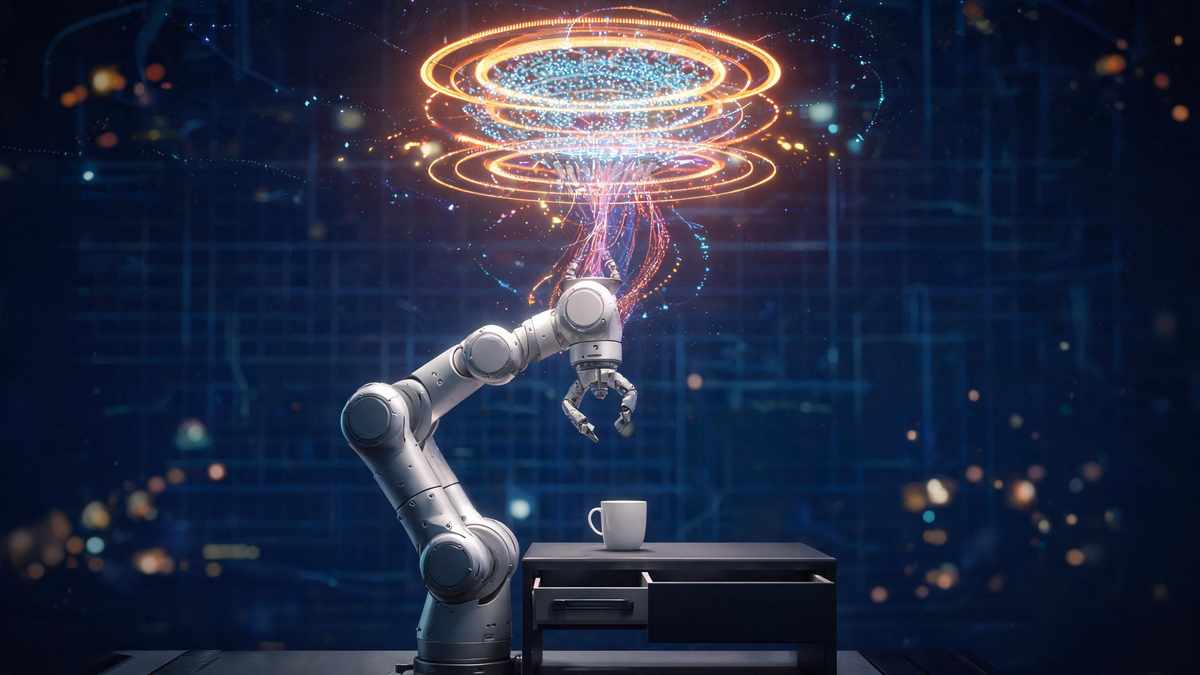
When Robots Learn to Plan in Chapters
Hierarchical planning enables a robot to compose long tasks into compressed macro-actions, achieving 70% success where flat planning fails entirely.

Painting Radio Fields: How Point Clouds Extrapolate the Invisible
3D Gaussian scatterers on LiDAR point clouds extrapolate angular power spectra, painting invisible radio fields across entire city grids.
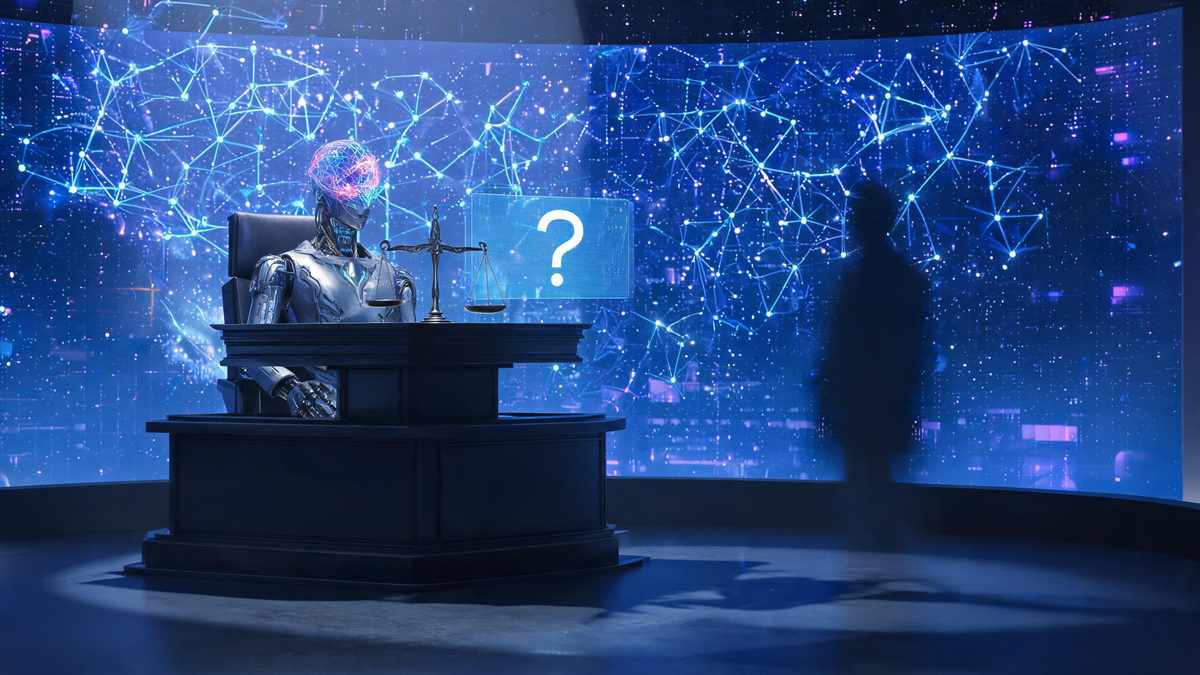
When the Judge Is on Trial: Second-Order Bias in Language Models
When a machine is asked to judge bias, its own internal social map may tip the scales—second-order bias hides in the act of judgment itself.

Escaping the Incentive Collapse: Why AI Must Learn to Stumble
To prevent humans from passively trusting perfect AI, researchers propose injecting deliberate errors—"sentinels"—that reward vigilance, breaking the incentive collapse.
Learning to Generate Rare Events from Topological Fingerprints
A neural network learns to generate realistic rare events by reading the hidden topological fingerprints—like loops and voids—in data's persistent homology.
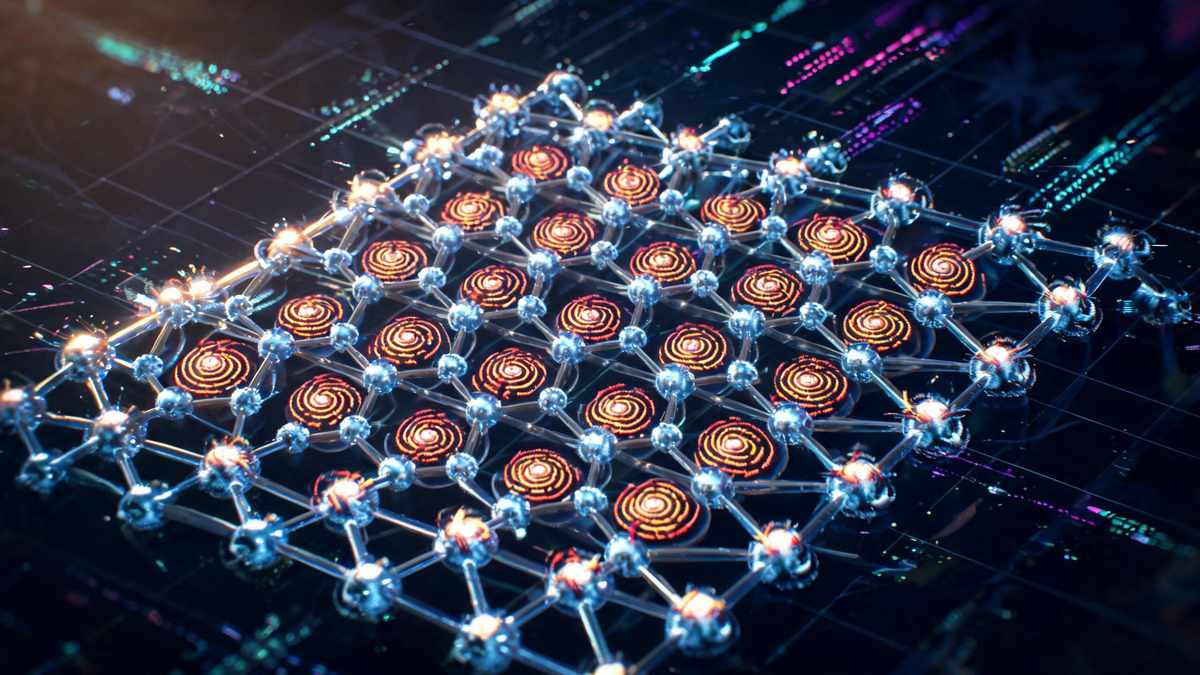
A Trillion Atoms Learn to Dance: Exascale Skyrmion Simulation
A trillion‑atom simulation tracks magnetic skyrmions forming from thermal chaos, revealing the atomic‑scale dance of spins and lattice vibrations at 160 kelvin.
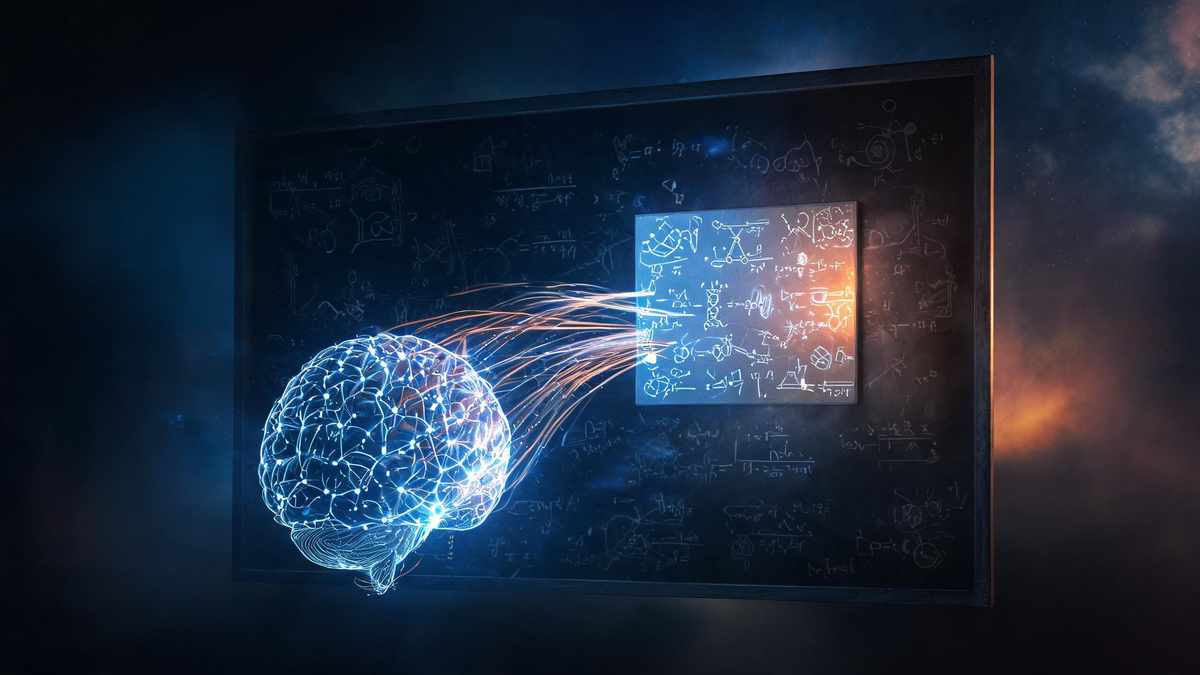
The Physicist's Gauntlet: Why AI Couldn’t Crack Five Percent
In the CritPt benchmark, the most advanced AI systems solve just 5.7% of research-level physics problems, revealing a profound gap between pattern recognition and true scientific reasoning.

The Bed That Learns to Listen: BCG‑FM and Ambient Cardiac Sensing
A piezoelectric sensor under the mattress captures cardiac recoil, enabling BCG-FM to learn heart signatures from three million hours of sleep data.

When Data Learns to Answer ‘What If?’
Instrumented data embeds a mechanistic model, enabling causal "what-if" queries by simulating counterfactual realities with explicit uncertainty decomposition.
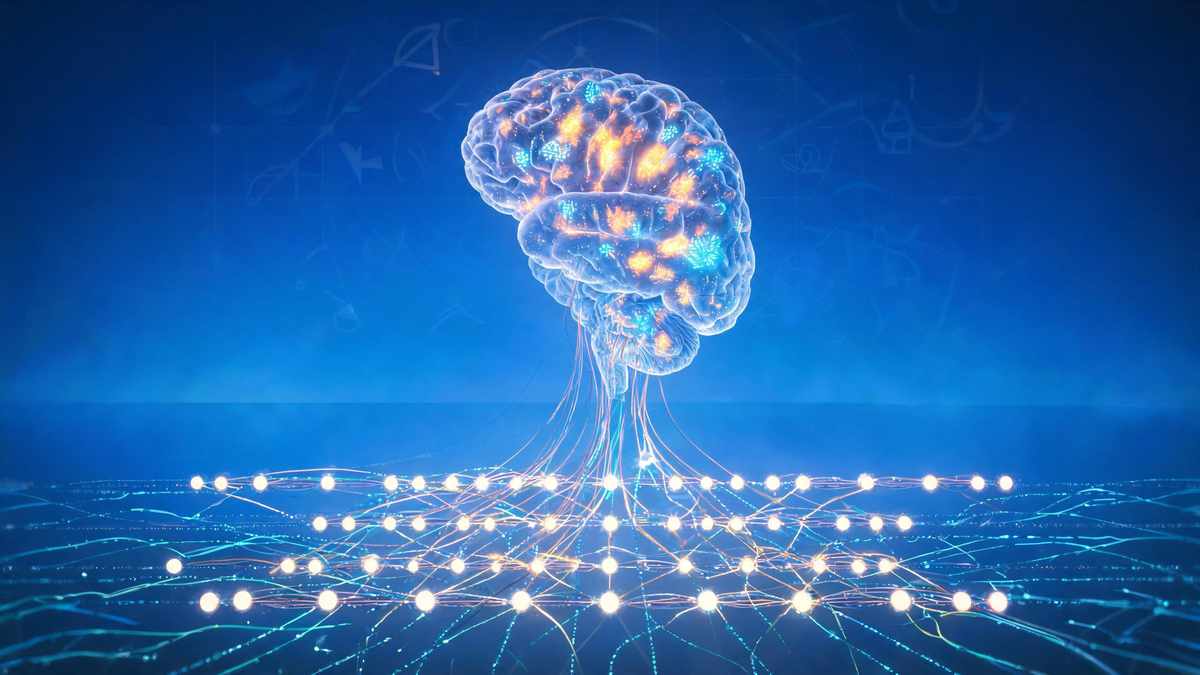
Learning from the Brain: How Neural Echoes Sharpen Machine Logic
Neural activation signals from human deductive reasoning are used to correct and steer large language models toward more logical outputs, improving accuracy by up to 13%.

The Urysohn Machine: When Topology Becomes Arithmetic
Classification becomes the art of drawing geometric boundaries — walls that separate data regions in a metric space, with reusable frontiers that amortize the cost of learning.

Can a VR Accelerometer Really Read Your Mind?
Commercial VR sensors pick up tiny pupil-induced vibrations, allowing machine learning to reconstruct what a user sees — a new privacy vulnerability.

When FP8 Storms the Holy Grail of Precision
A position paper demonstrates that FP8 tensor cores, with a mathematical trick based on the Chinese Remainder Theorem, can fully emulate double-precision accuracy for HPC simulations.
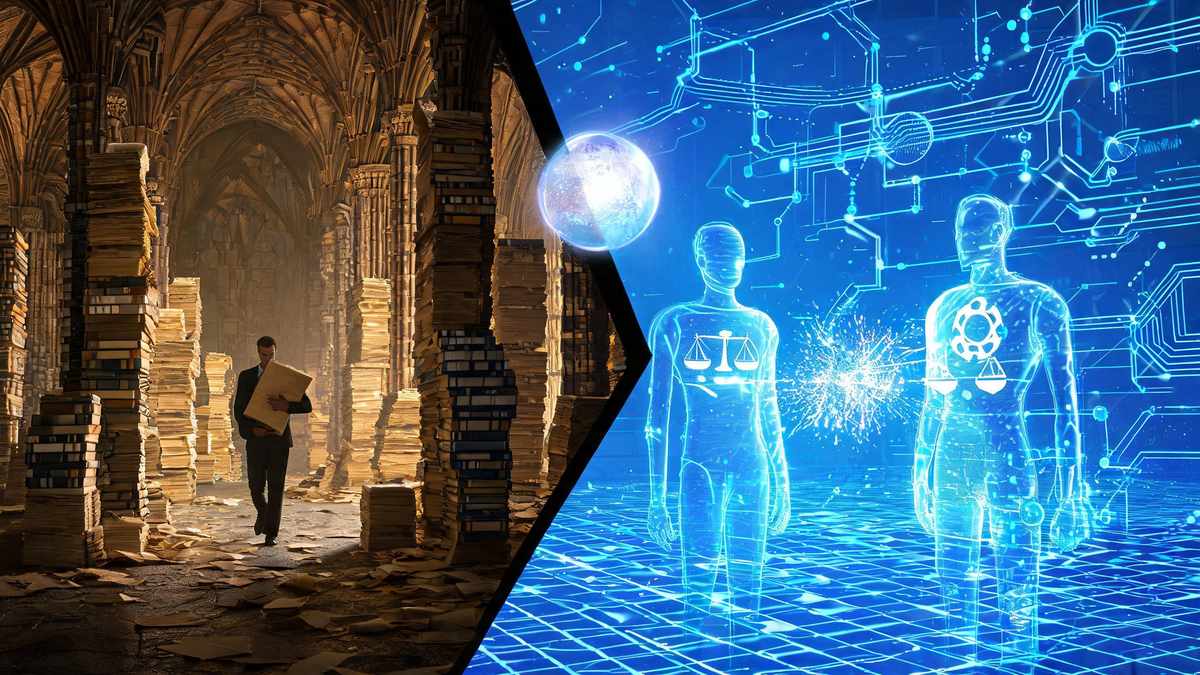
Agents in the Labyrinth: Unlocking a Faster Nuclear Future
AI agents navigate a regulatory labyrinth of paperwork, cutting nuclear reactor licensing from years to months while preserving safety oversight.
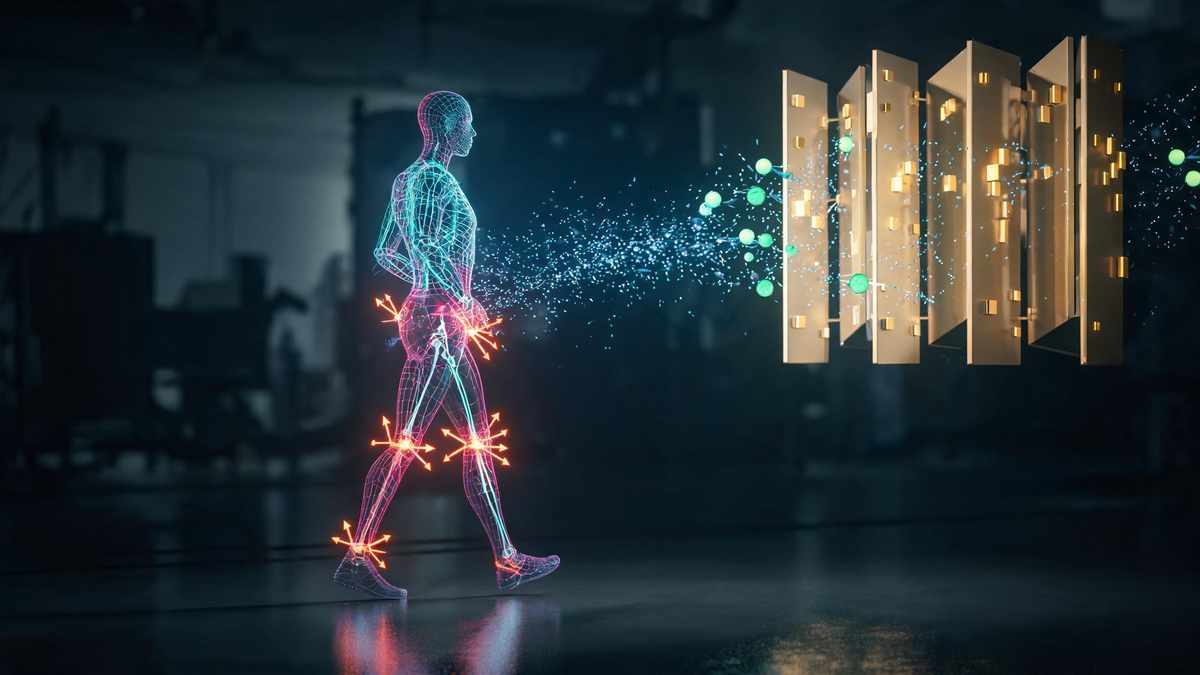
From Pixels to Newtons: Learning Force Without Physics
A transformer predicts three-dimensional hip and knee contact forces from a single monocular video, matching physics-based models without modeling muscles or Newton's laws.

Reading Genomes as Documents: An OCR Approach to DNA Understanding
A vision-language model reads DNA as an OCR-processed document, compressing genomic information into visual tokens for efficient, layout-aware analysis.

Learning to Trust a Crowd of Almost-Right Models
In Rashomon Partition Sets, the data support a crowd of almost-right models, forcing researchers to confront what is robust and what is fragile.
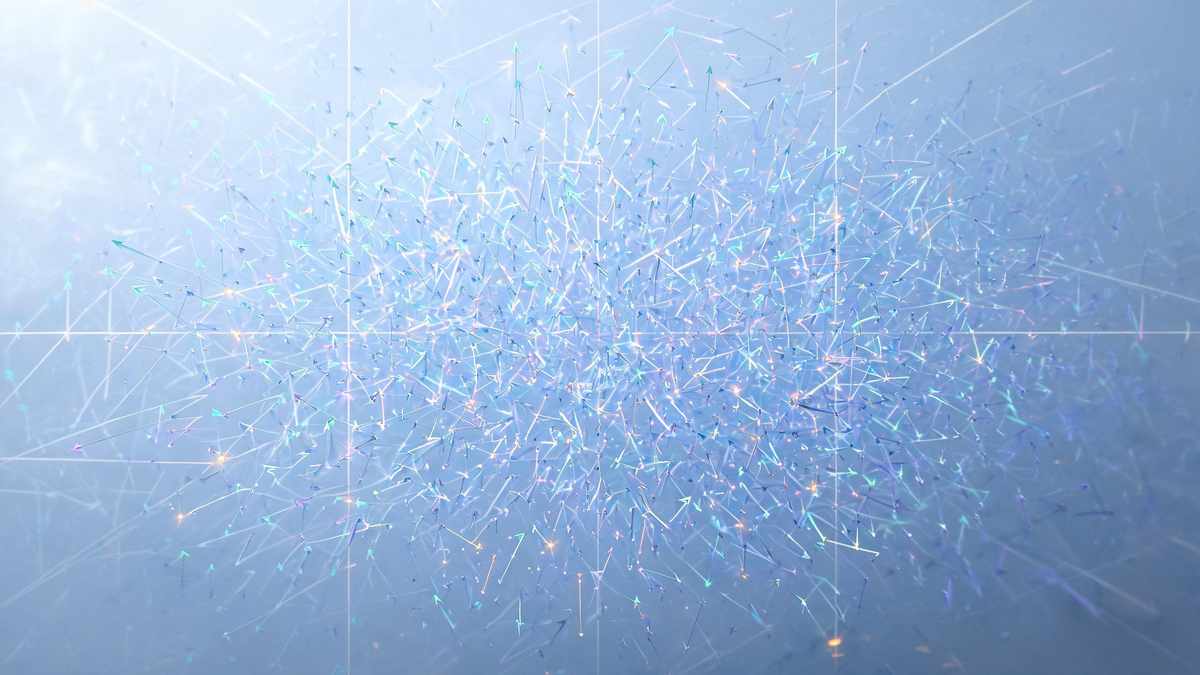
Sparsity Defeats Separation: High-Dimensional Expanders Refute Steurer’s Conjecture
High-dimensional expanders defeat the intuition that low average correlation forces large separated clusters, refuting a decade-old conjecture by Steurer.

What If a Neural Network Could Simulate Physics Without Equations?
A transformer-based neural network learns to simulate fluid dynamics, shock waves, and thermal convection directly from data, without any governing equations.

When a Neural Network Learns to Respect the Shape of Space
By integrating the cell complex's incidence structure directly into neural message passing, the cellular sheaf neural operator ensures that magnetic fields remain divergence-free by construction.

Shielding Robots from Their Own Language: A Passivity Protocol
A passivity shield and energy tank decouple a VLA robot's semantic commands from its physical authority, ensuring safe contact-rich manipulation.

When Coordinates Learn the Product Rule
DeepMDMD learns coordinates that form a closed algebra, preserving the product rule and turning nonlinear dynamics into linear eigenfunctions.

When AI Outruns Blame: The Accountability Horizon
The Accountability Horizon marks a phase transition where causal chains from human decisions to AI outcomes become logically impossible to assign, reshaping governance.
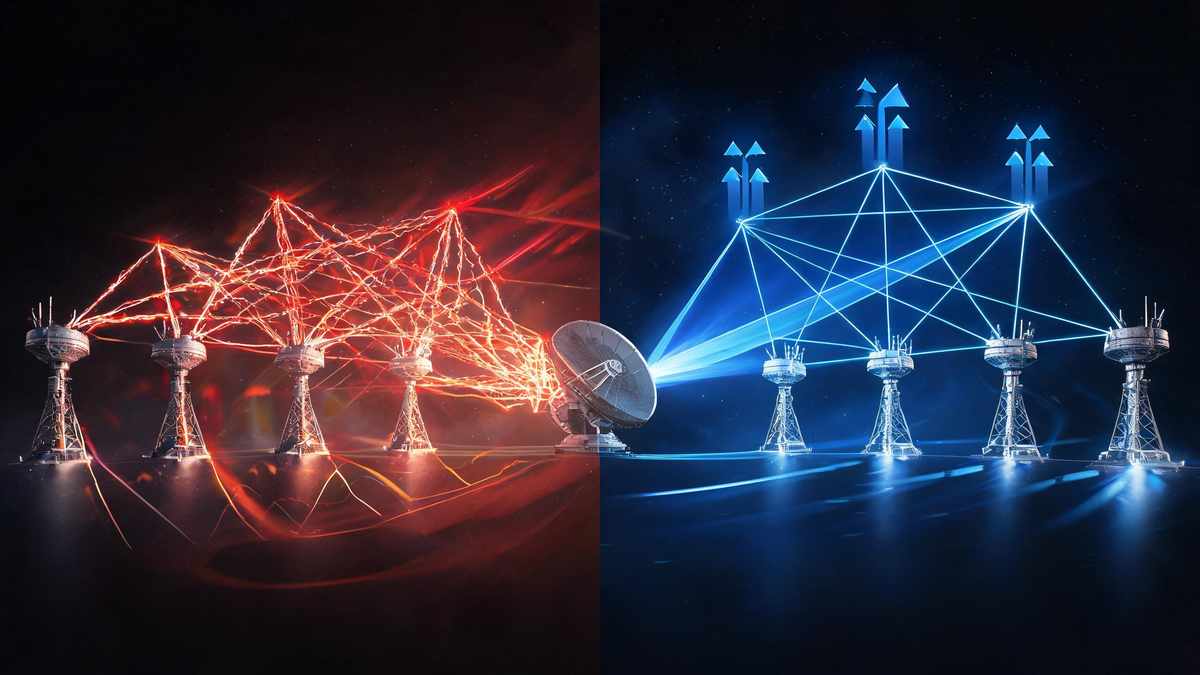
Entanglement Unlocks Exponential Capacity Growth in Communications
Quantum entanglement allows distributed transmitters to coordinate in real time, turning chaotic interference into exponential capacity gains for classical communication networks.

When AI Safety Withholds the Cure
When AI safety gates life-saving medical advice, only doctors receive the full answer; patients face withheld knowledge and silent refusal.

Breaking the Exponential Barrier: Clustering Non-Spherical Gaussians in Polynomial Time
A polynomial-time sum-of-squares projection separates overlapping non-spherical Gaussian clusters by compressing them into a cleanly separable low-dimensional space.

How Neural Networks Discover the Irreducible Grammar of Symmetry
Neural networks trained to multiply group elements spontaneously learn irreducible representations, decomposing symmetry into independent spectral voices.
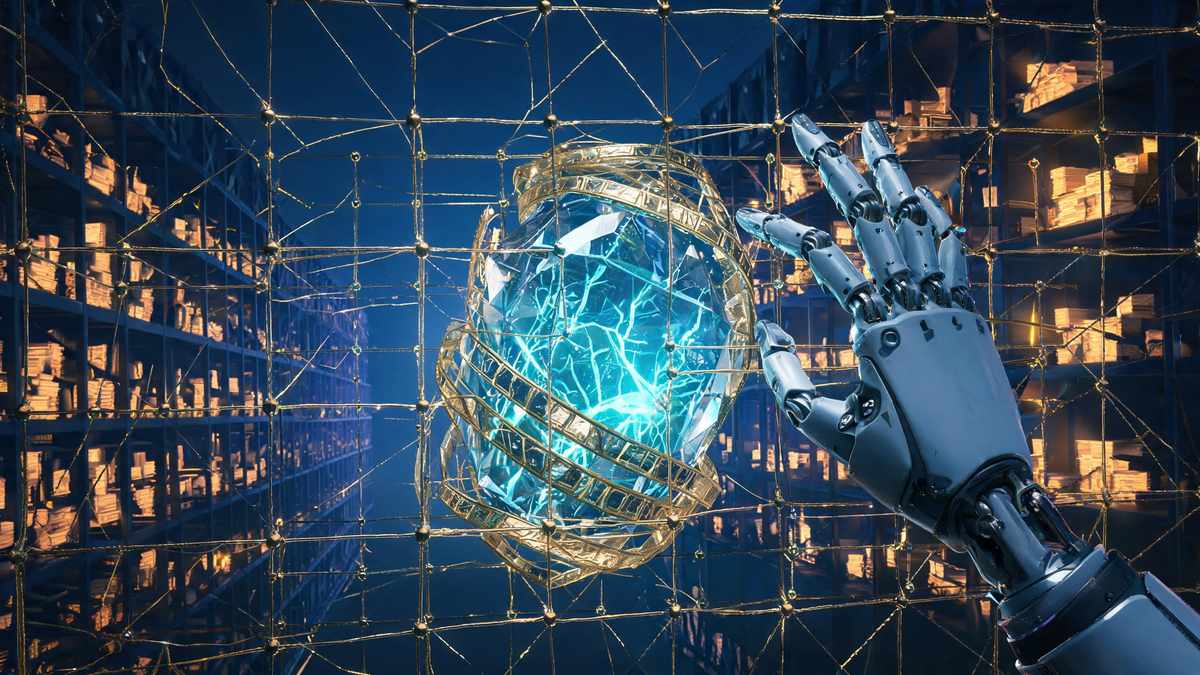
Proving Safe Action: AI’s New Logical Straitjacket
Logical constraints bind an AI agent's actions, forcing every impulse into a provably safe formal proof before execution.

The Shape of Capability: Why a Spherical Robot Learns to Do Everything
A spherical robot achieves dynamic isotropy, accelerating equally in any direction, simplifying control and enabling robust locomotion across uneven terrain.