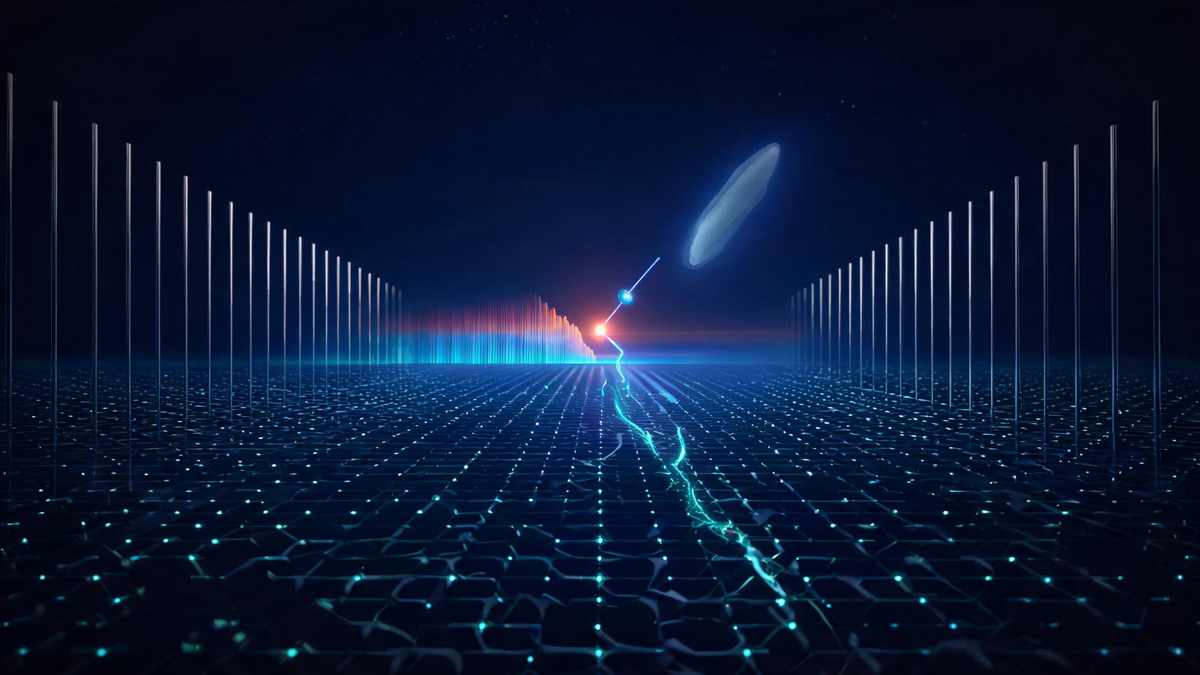
The Echo at Beta's Quiet Edge: Hunting Sterile Neutrinos
A missing partner in beta decay—a sterile neutrino—leaves a spectral shift at the recoil endpoint, detectable by ultra-sensitive transition-edge sensors in cold silicon.
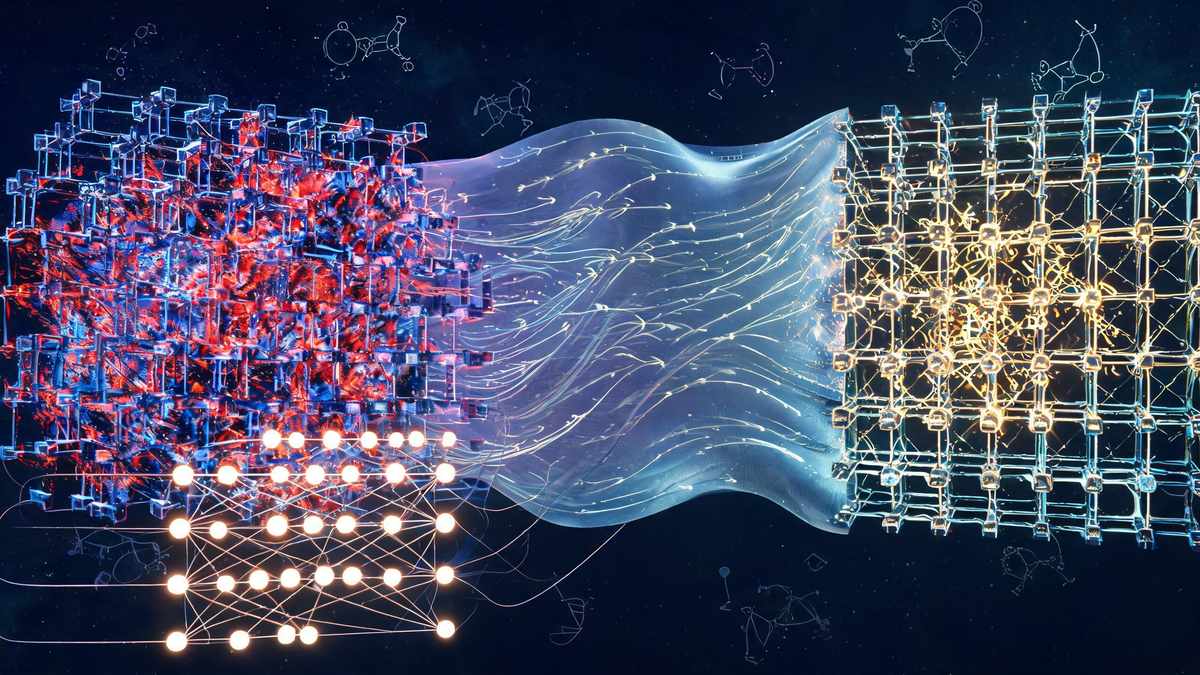
When a Neural Network Learns to Silence Quantum Noise
A neural network learns the generating functional of a quantum field theory, slashing statistical noise in lattice gauge calculations by orders of magnitude.
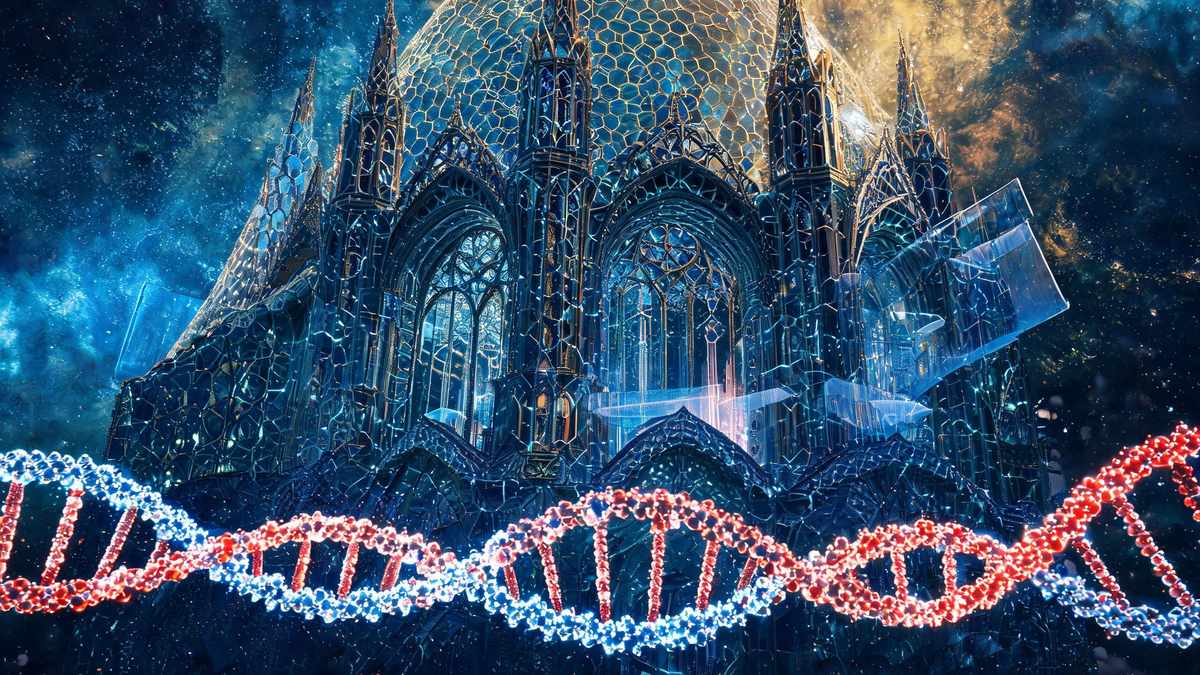
The Cathedral Built from Sand: How a Simple Fermion Model May Weave Spacetime Itself
From a simple line of interacting fermions, the competition between spin-0 and spin-1 condensates sculpts the curved spacetime of AdS₃, birthing gravity from humble quantum sand.
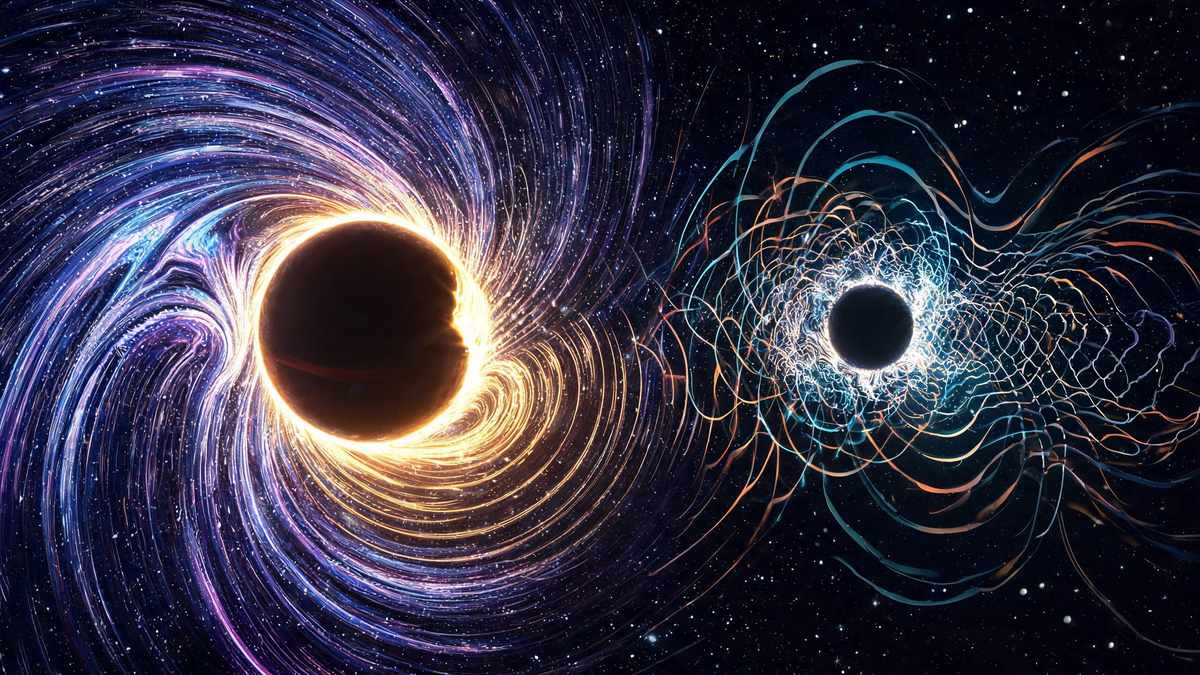
The Tower of Zeta: Black Holes' Hidden Tidal Code
Solon's closed-form formula reveals the hidden tidal code of black holes, where dynamical Love numbers are tied to a universal tower of zeta values.
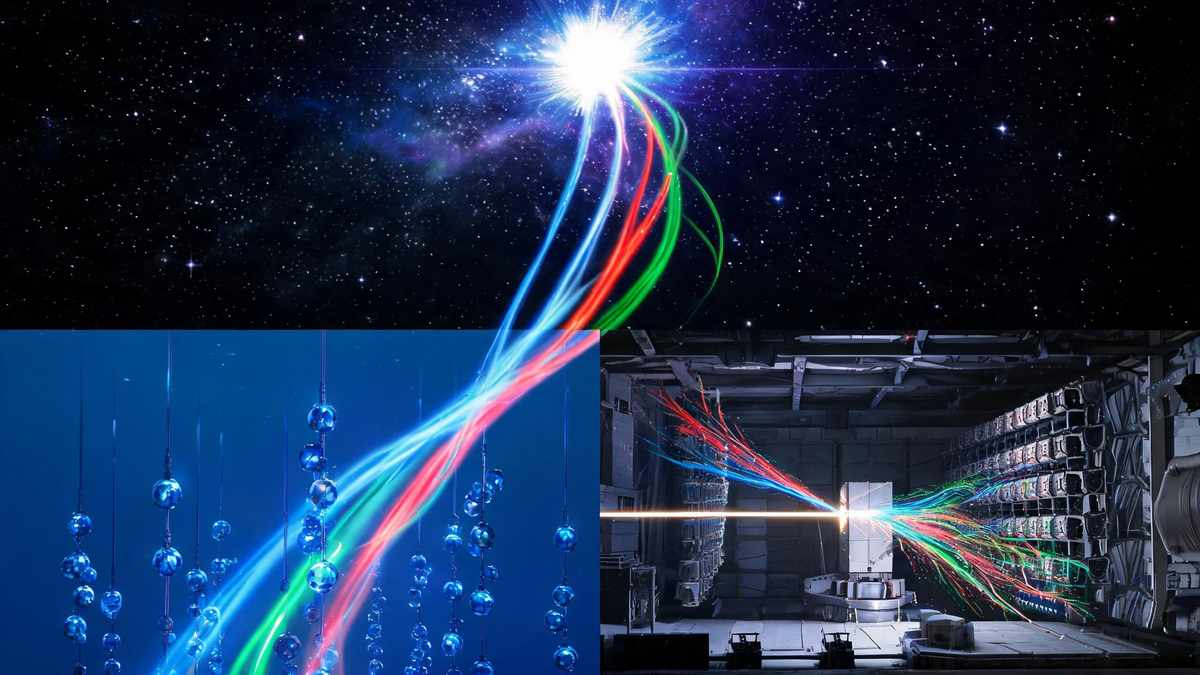
How Cosmic Neutrinos Could Decide the Nature of Neutrinos
By comparing neutrino flavors from cosmic sources with heavy neutral lepton decays in a fixed-target experiment, physicists can reveal if neutrinos are their own antiparticles.
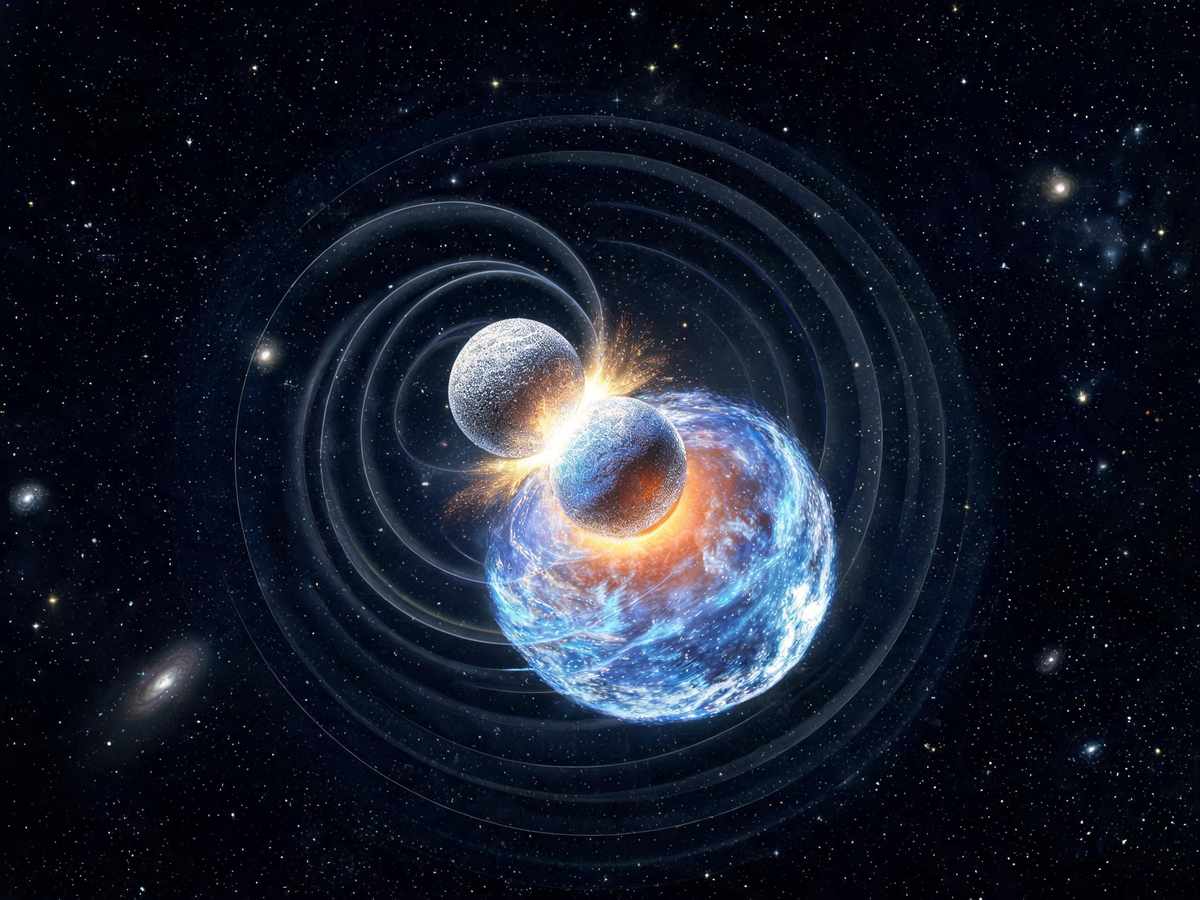
When Neutron Stars Collide: Listening for the Heart of Matter
Gravitational waves from merging neutron stars reveal hidden phase transitions inside their ultra-dense cores.
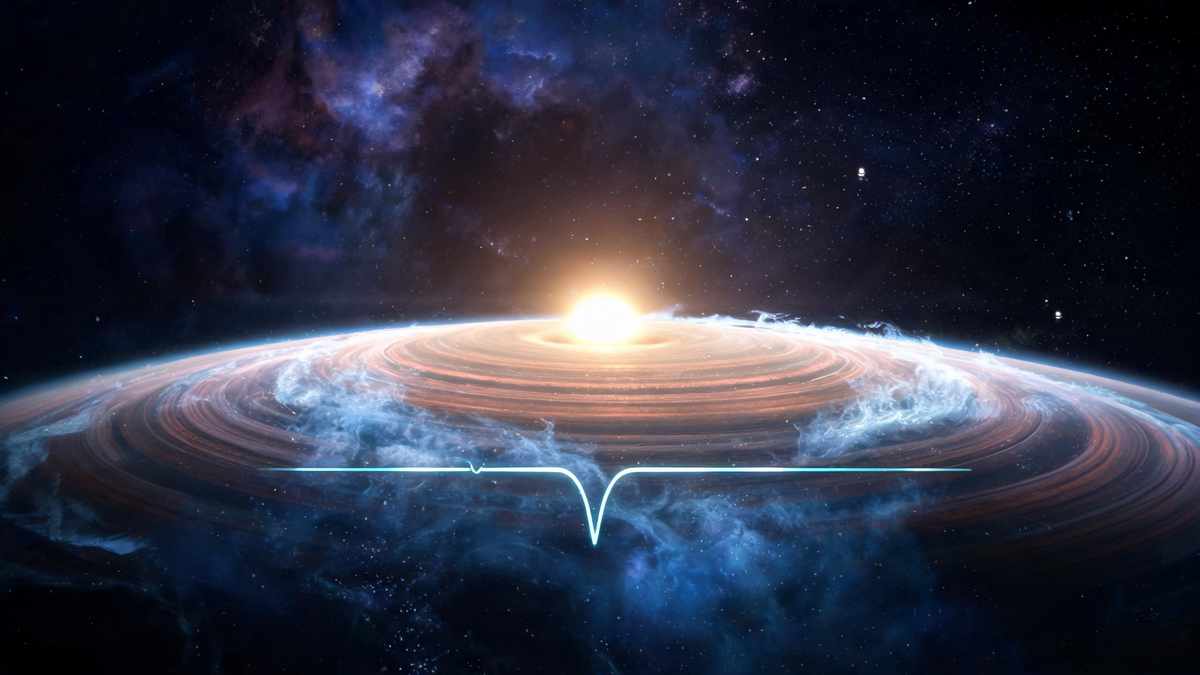
Eavesdropping on Water’s Heavy Twin in a Distant Disk
For the first time, semi-heavy water ice is detected in a planet-forming disk, revealing a crucial chapter in water's cosmic journey.
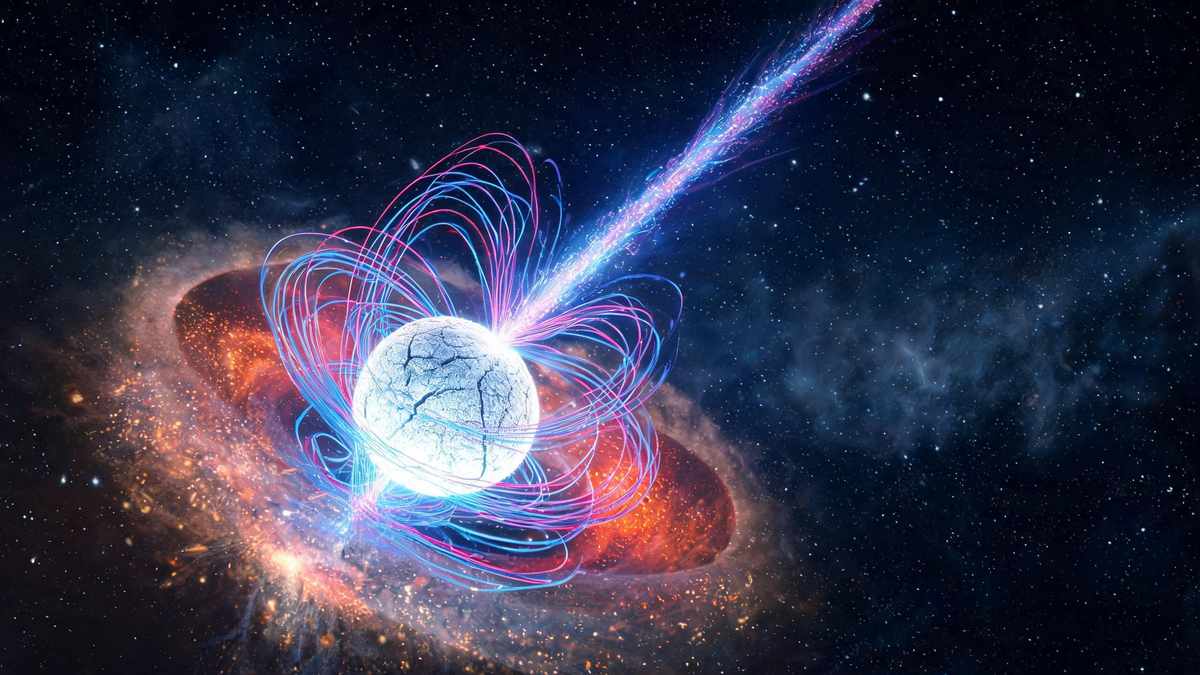
A White Dwarf's Final Breath: Forging the Heaviest Elements
A magnetized white dwarf collapses into a neutron star, ejecting neutron-rich material that forges heavy elements like gold and uranium in a kilonova-like event.
When the Universe’s Symmetry Splinters: A Quantum Gravity Path to Dark Energy
Perfect symmetry splinters into fragments of Hilbert space, leaving an accelerating cosmos as a residual quantum echo.
When Gravity's Subregions Insist on Purity
A frozen spacetime region in the gravitational path integral yields a pure quantum state, challenging the assumption that subregions must be mixed.
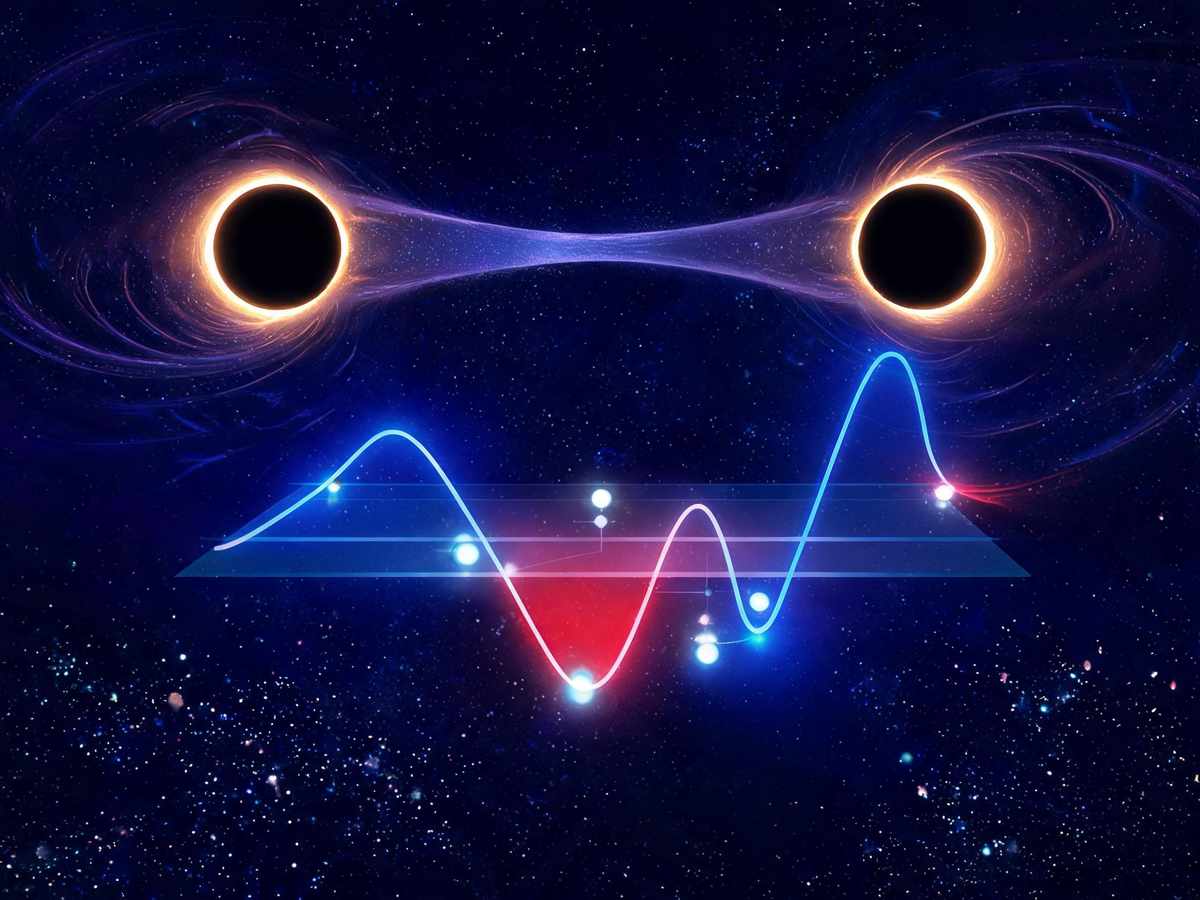
When Entropy Dares to Be Negative
Negative entropy in two-sided black hole calculations is rescued by non-perturbative instanton saddles, restoring positivity and consistency with quantum mechanics.
When Quasars Learn to Breathe Fire: Extreme Outflows and the Death of Galaxies
Early quasars drive outflows so powerful they can blow away a galaxy's star-forming gas, halting growth within a billion years of the Big Bang.
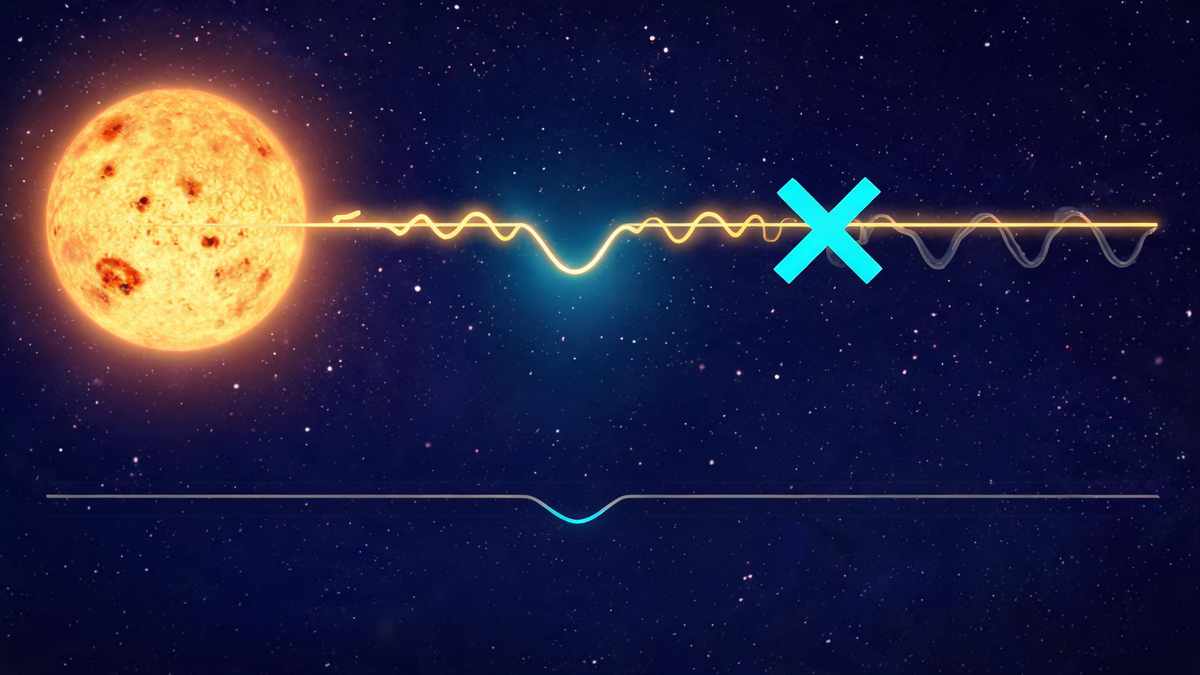
When One Transit Is Enough: A Quiet Coup in the Search for Other Worlds
A Transformer-based model learns a star's normal variability, then detects planets that transit only once — worlds invisible to traditional surveys.
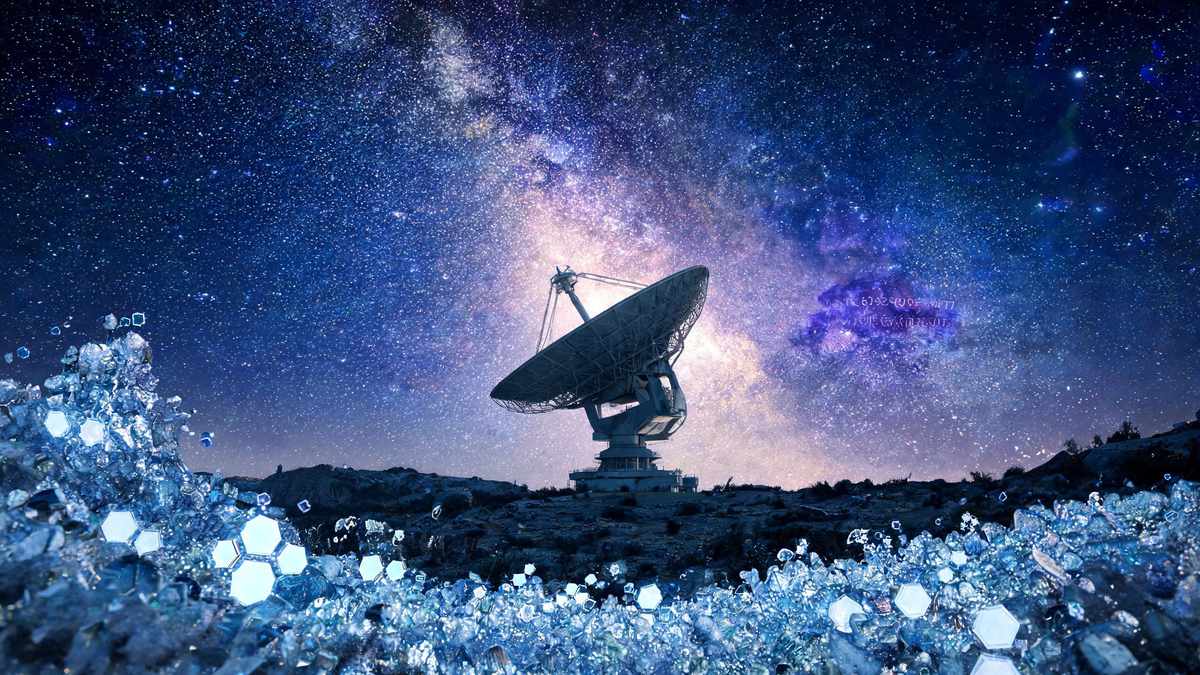
The Sugar That Fell from the Stars
Astronomers discovered the sugar molecule erythrulose in the interstellar medium, providing a plausible chemical pathway from icy dust grains to the building blocks of life.
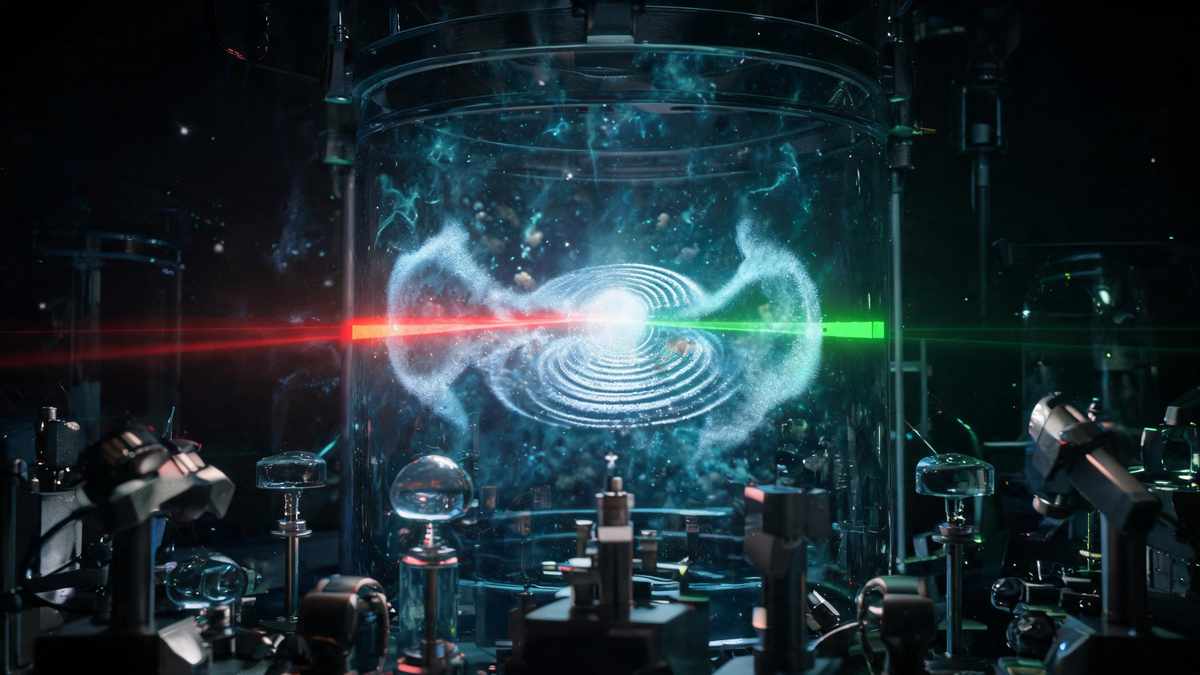
Hearing Dark Matter through Quantum Interference
Atom interferometers can detect dark matter through phase shifts and decoherence, with quantum statistics distinguishing bosonic from fermionic dark matter without violent collisions.
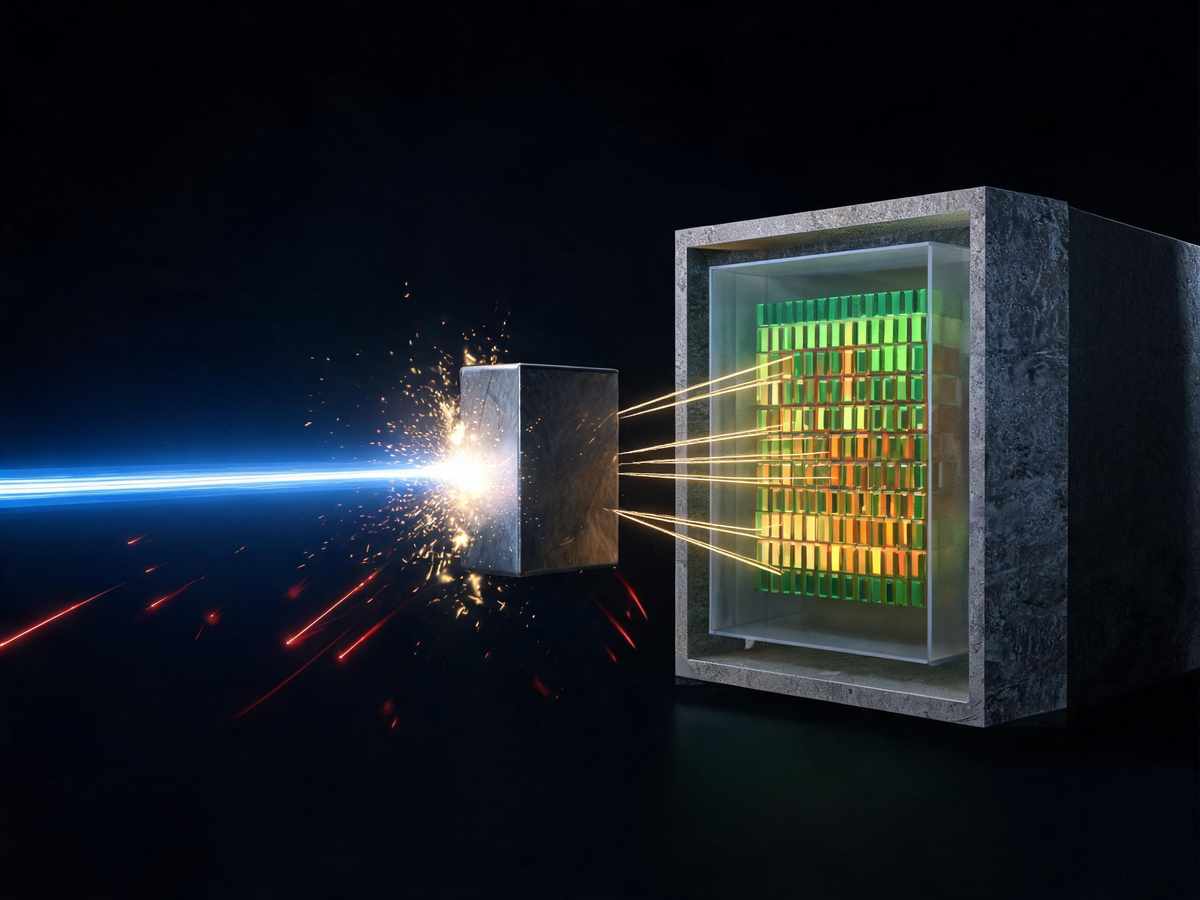
Hunting the Invisible at Close Range: A Beam-Dump Experiment Challenges Cosmic Silence
By placing a detector mere meters from the beam target, DAMSA aims to catch short-lived dark sector particles decaying into detectable photons.

Charting the Weather of Mars with a Single AI Model
A unified AI foundation model could forecast Martian dust storms, map low-level jets, and fill satellite data gaps across the Red Planet's atmosphere.
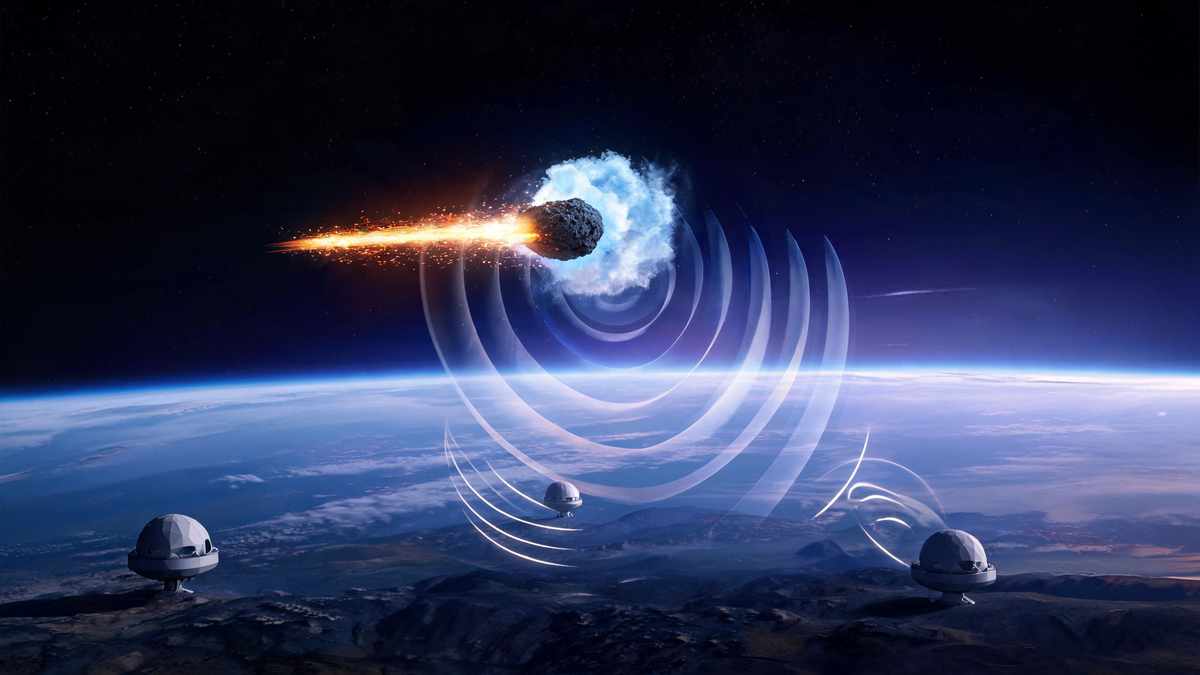
When a Pebble Learns to Shout
A 45-gram porous meteoroid outgassed volatiles to form a vapor cocoon, enabling a sustained shock wave in the rarefied thermosphere at 92 km altitude.
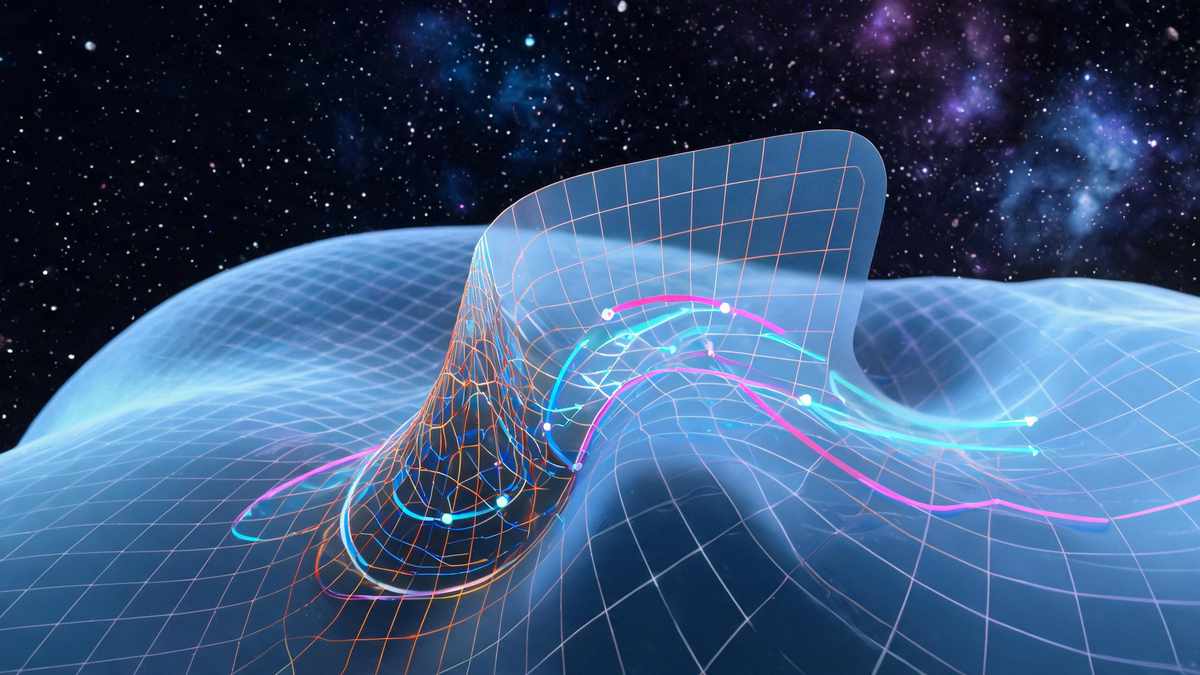
The Geometry That Survives Every Translation
The essential regularity of a connection marks the highest smoothness attainable through coordinate changes, distinguishing genuine singularities from mere artifacts of a bad map.
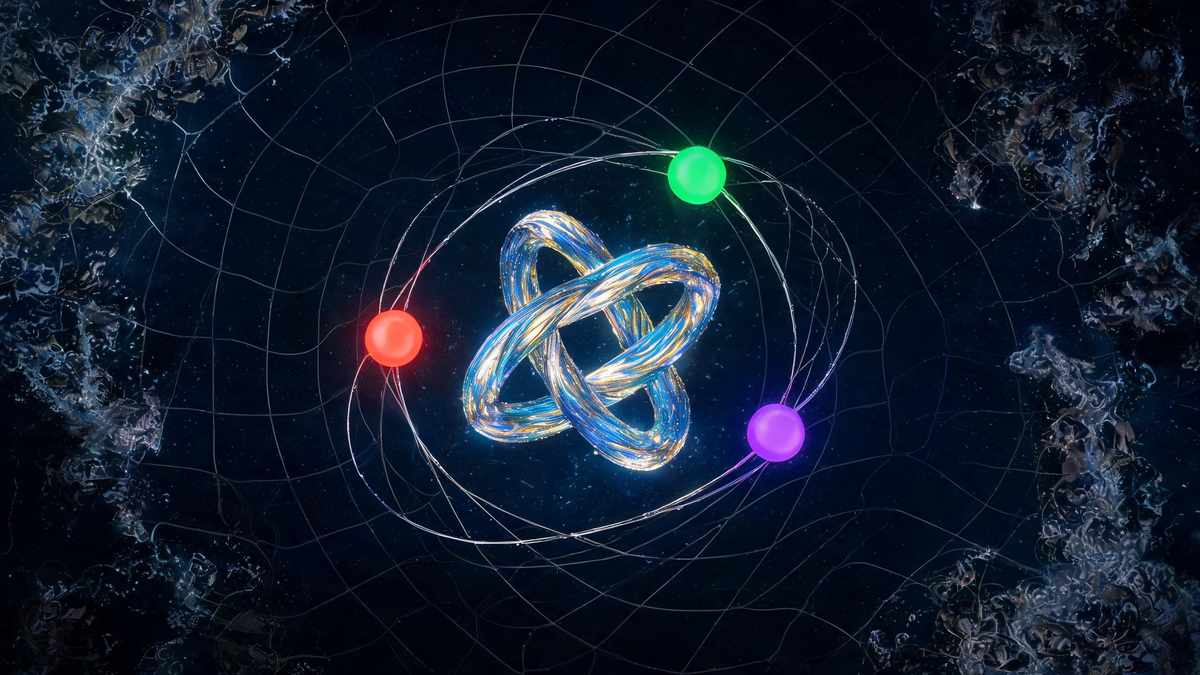
When Topology Answers: Why Matter Comes in Threes
Topological anomaly cancellation forces matter to appear in exactly three families, as a unique symmetry extension from Z₃ to Z₉ restores quantum consistency without sterile neutrinos.
How Scale Invariance Governs Quantum Memory
A single scaling dimension governs thermalization and decoherence transitions in scale-invariant quantum environments, protecting coherence beyond a critical threshold.
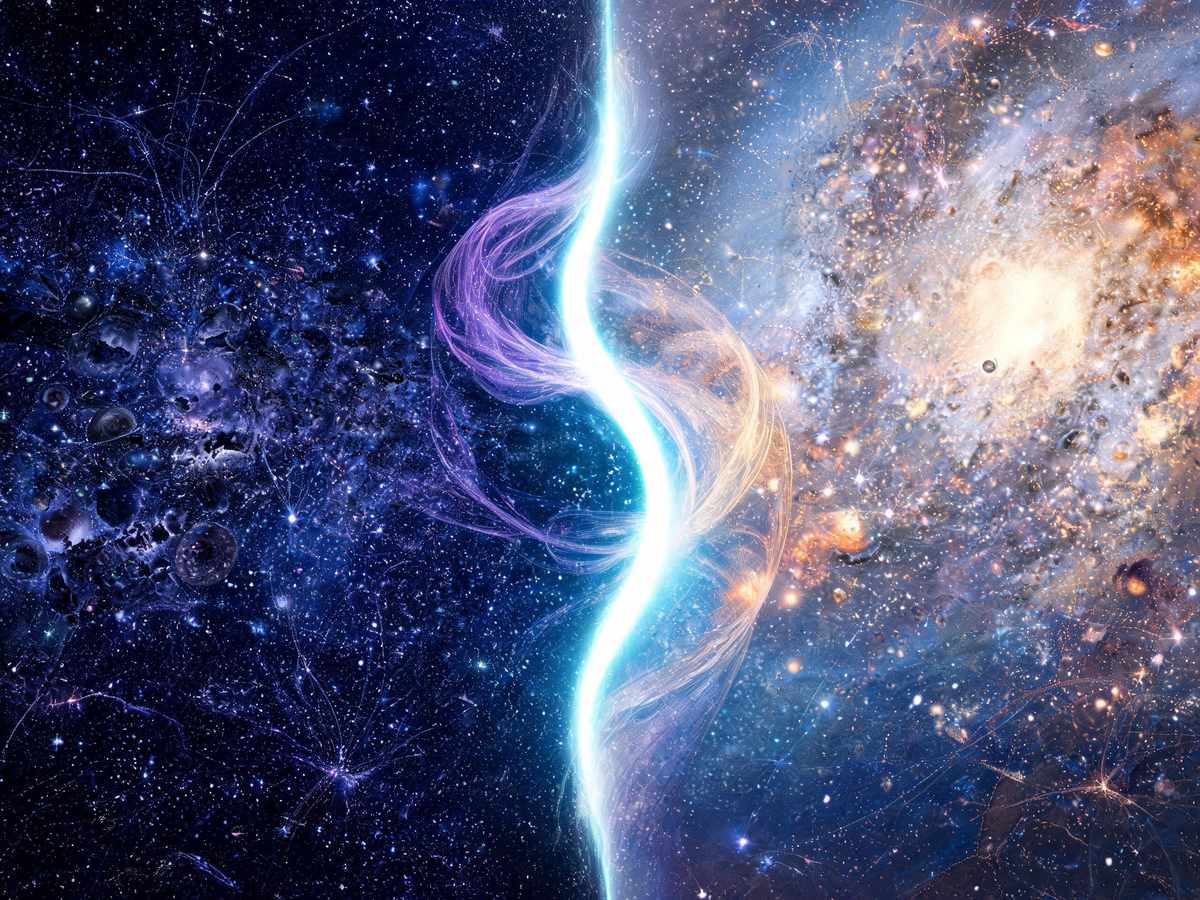
When the Universe Changed Its Mind
A mirror transition in the cosmological constant at redshift 1.8 may have flipped the universe from contraction to expansion.
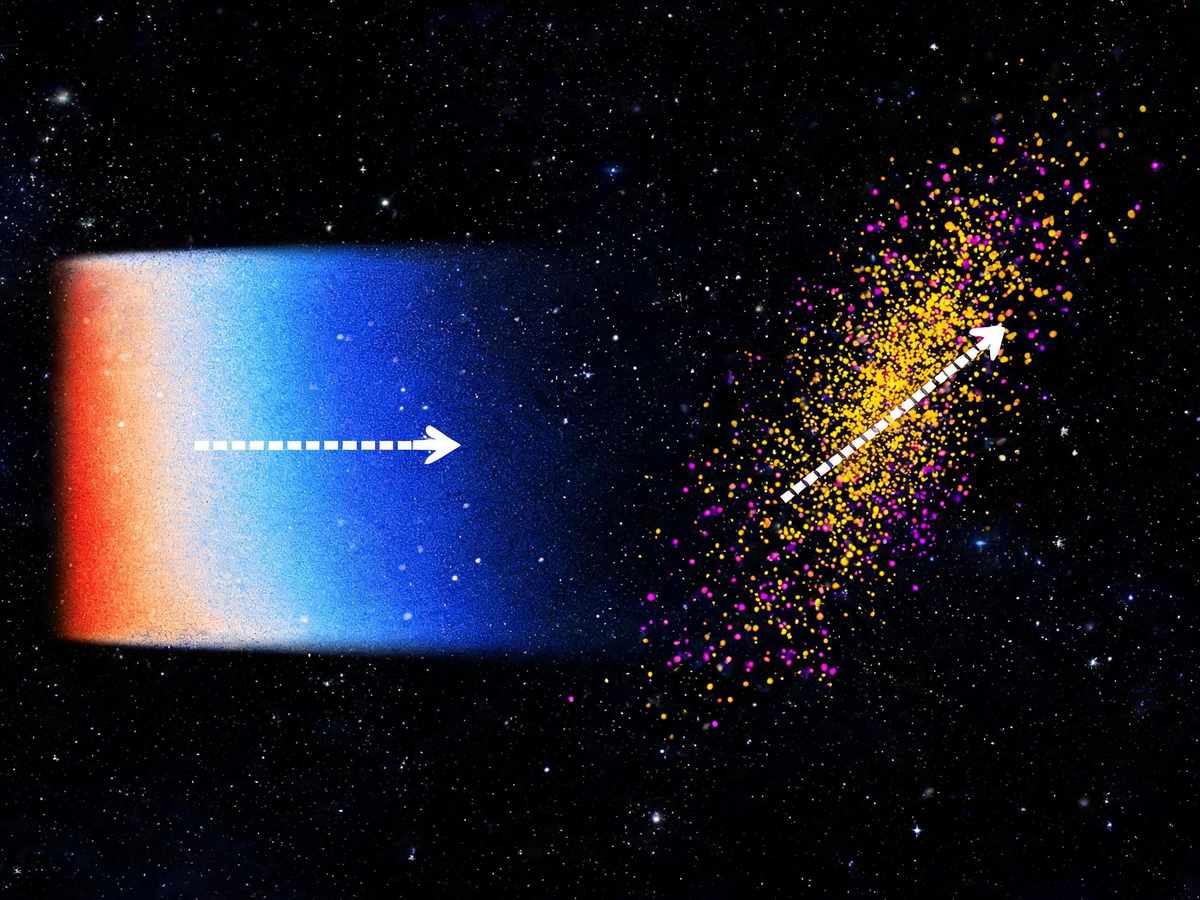
The Cosmic Dipole That Refuses to Fit
The cosmic dipole measured from infrared and radio surveys consistently disagrees with the CMB’s kinematic dipole, hinting at a fundamental asymmetry in the universe.
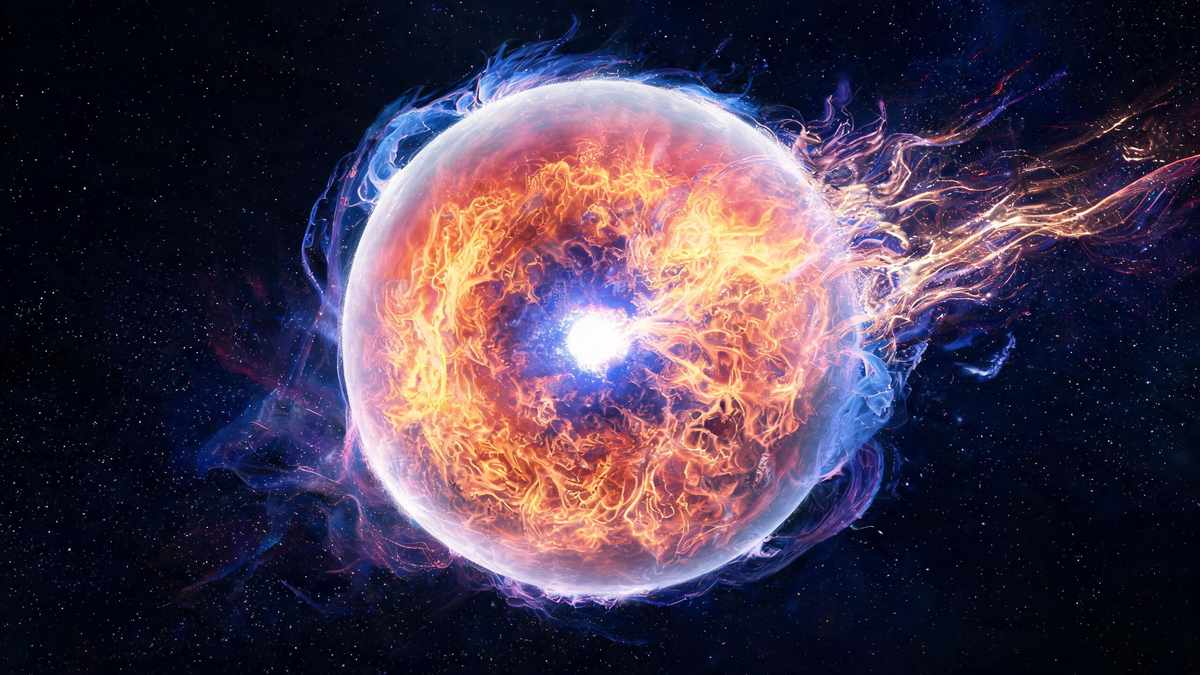
Lighting the Fuse: Turbulence-Driven Supernova Detonations
Turbulence acts as a universal tuning fork, forcing diverse white dwarf ignitions into identical detonations that power uniform Type Ia supernovae.
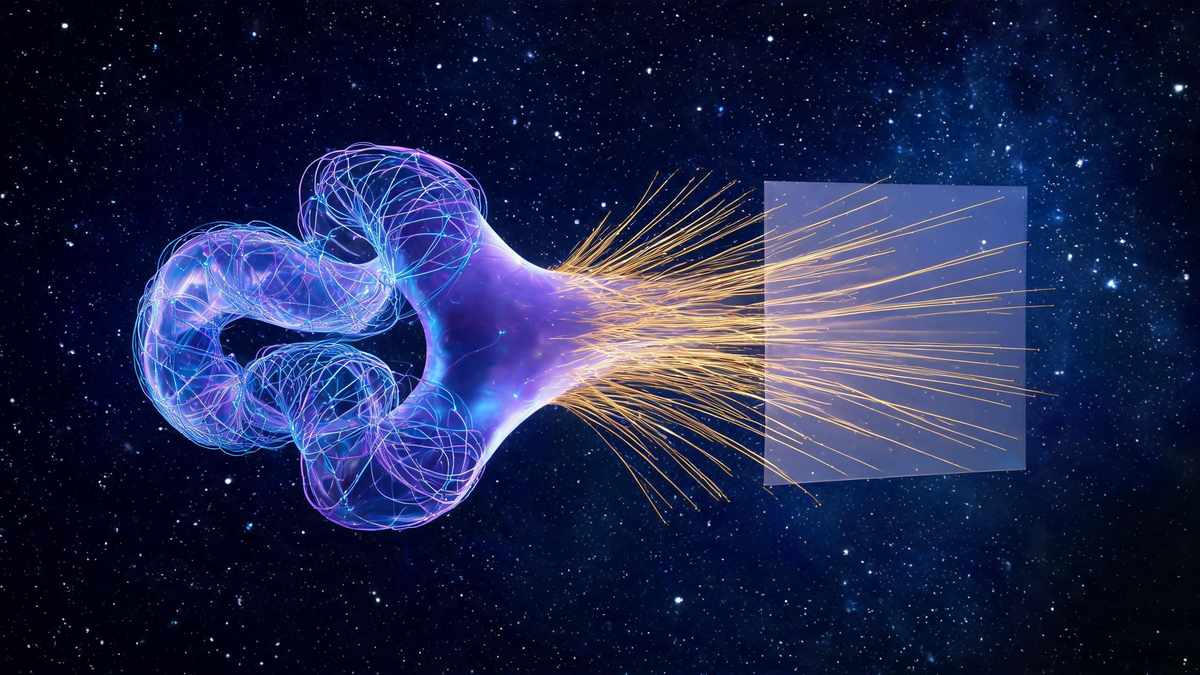
Watching Entanglement Forget: The Crosscap Quench
In a crosscap quench, a topologically entangled system forgets its antipodal pairing as entanglement entropy grows linearly, transforming its quantum memory.
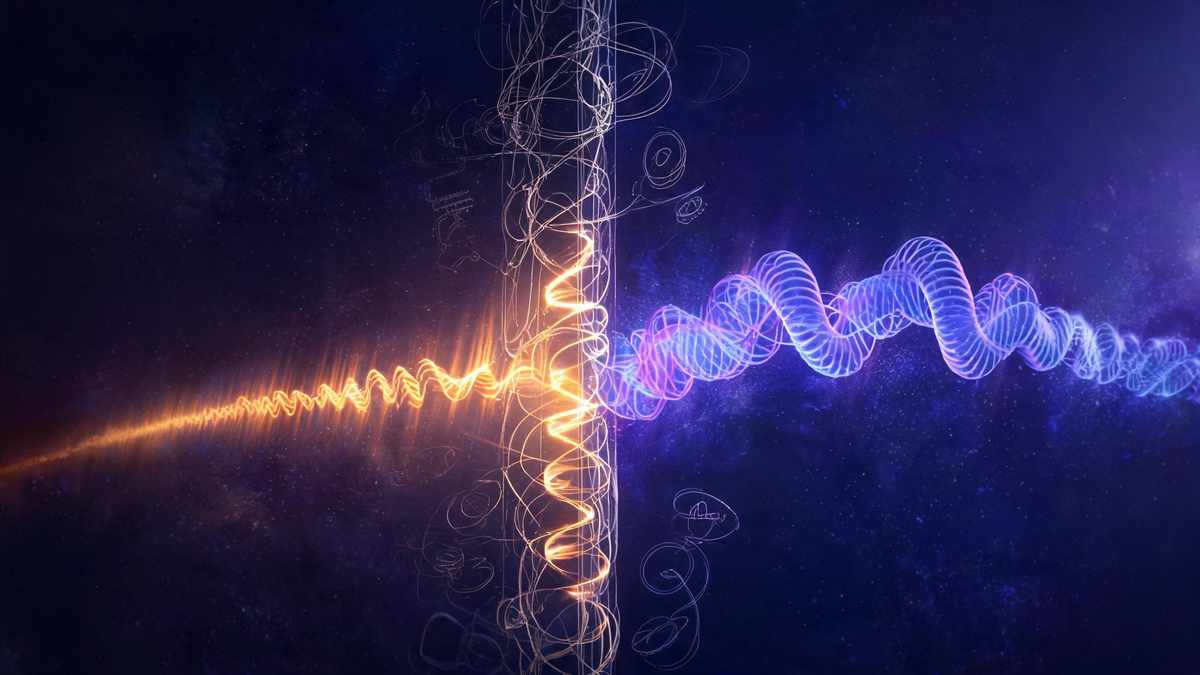
Light Hides a One‑Way Surface Channel
A single topological twist in the vacuum traps light as a one-way surface wave, even though the material on both sides is empty space.
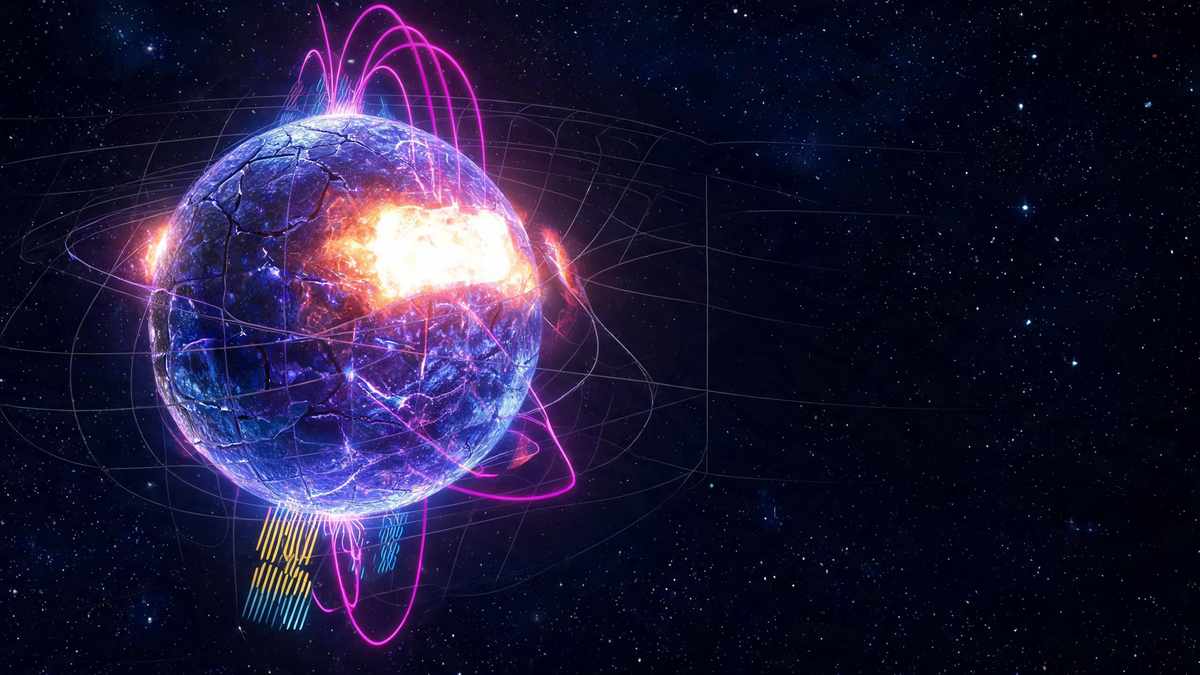
A Fireball’s Portrait: How Magnetars Paint with Curved Spacetime
A computational model decodes how magnetar fireballs imprint curved spacetime and quantum vacuum birefringence onto polarized X-ray bursts, linking stellar mass to light geometry.
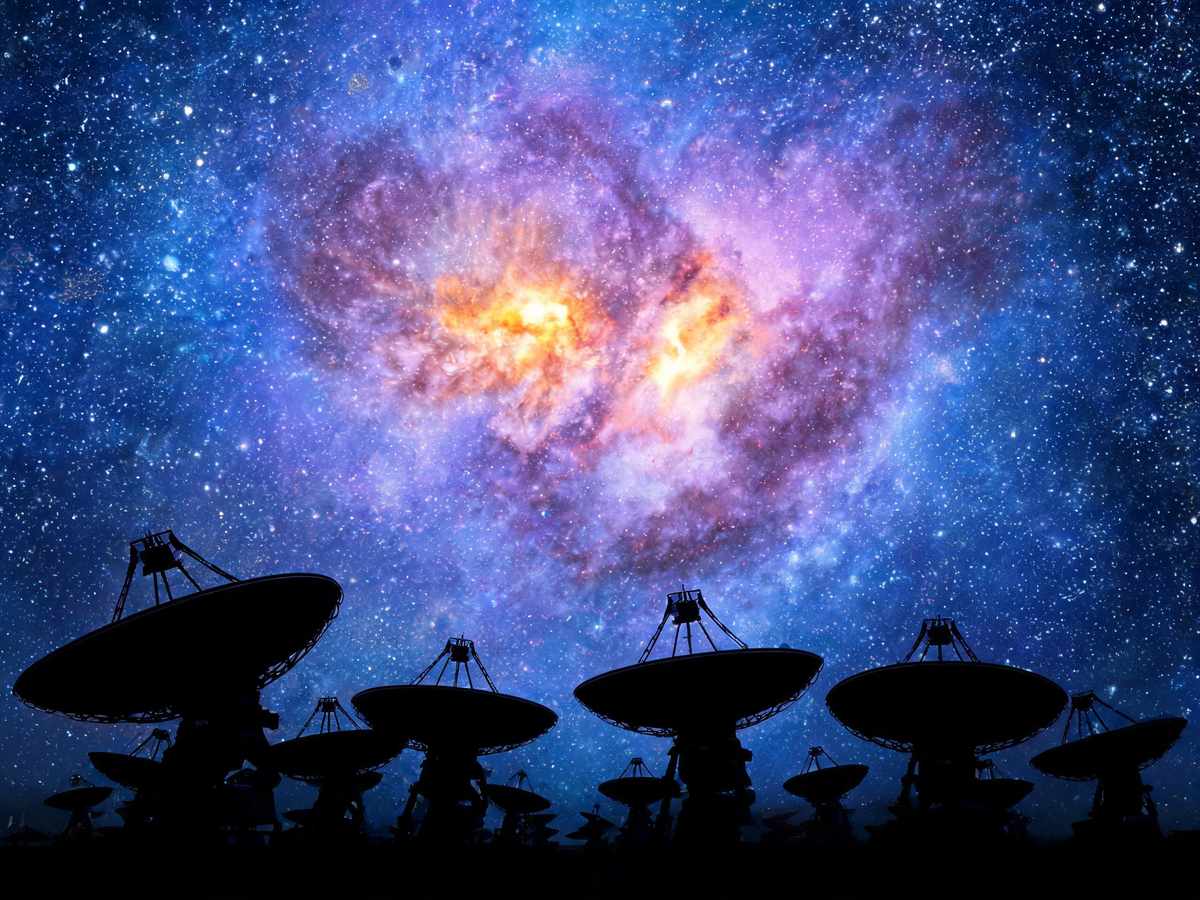
The Radio Glow That Shouldn’t Have Survived: MeerKAT’s Peek into the Early Universe
MeerKAT's L-band observations reveal luminous radio halos in merging galaxy clusters at redshift >1, challenging models of cosmic microwave background energy losses.
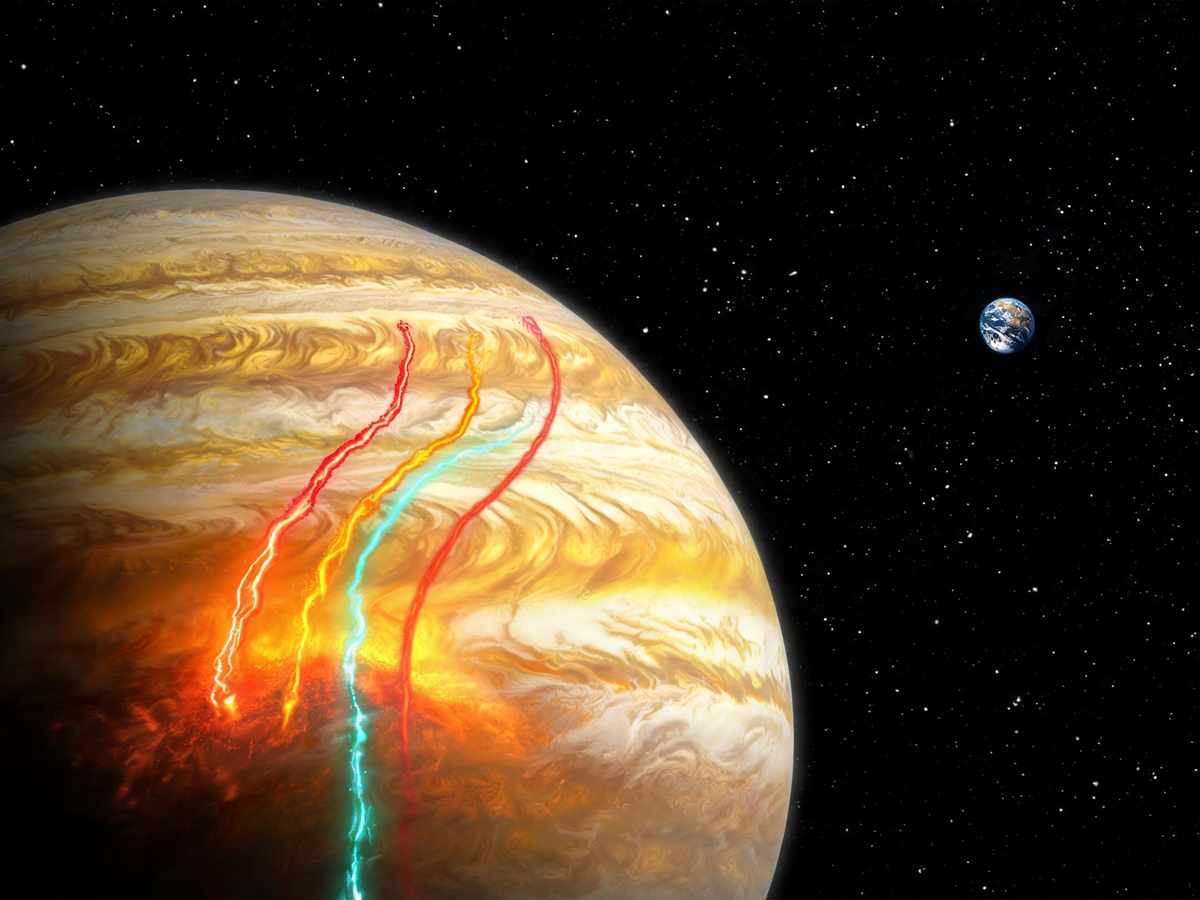
Venus's Thick CO₂ Atmosphere: A Cosmic Mystery That Refuses to Be Solved
Three different planetary histories can each produce Venus's thick CO₂ atmosphere, challenging the idea that it once had oceans.
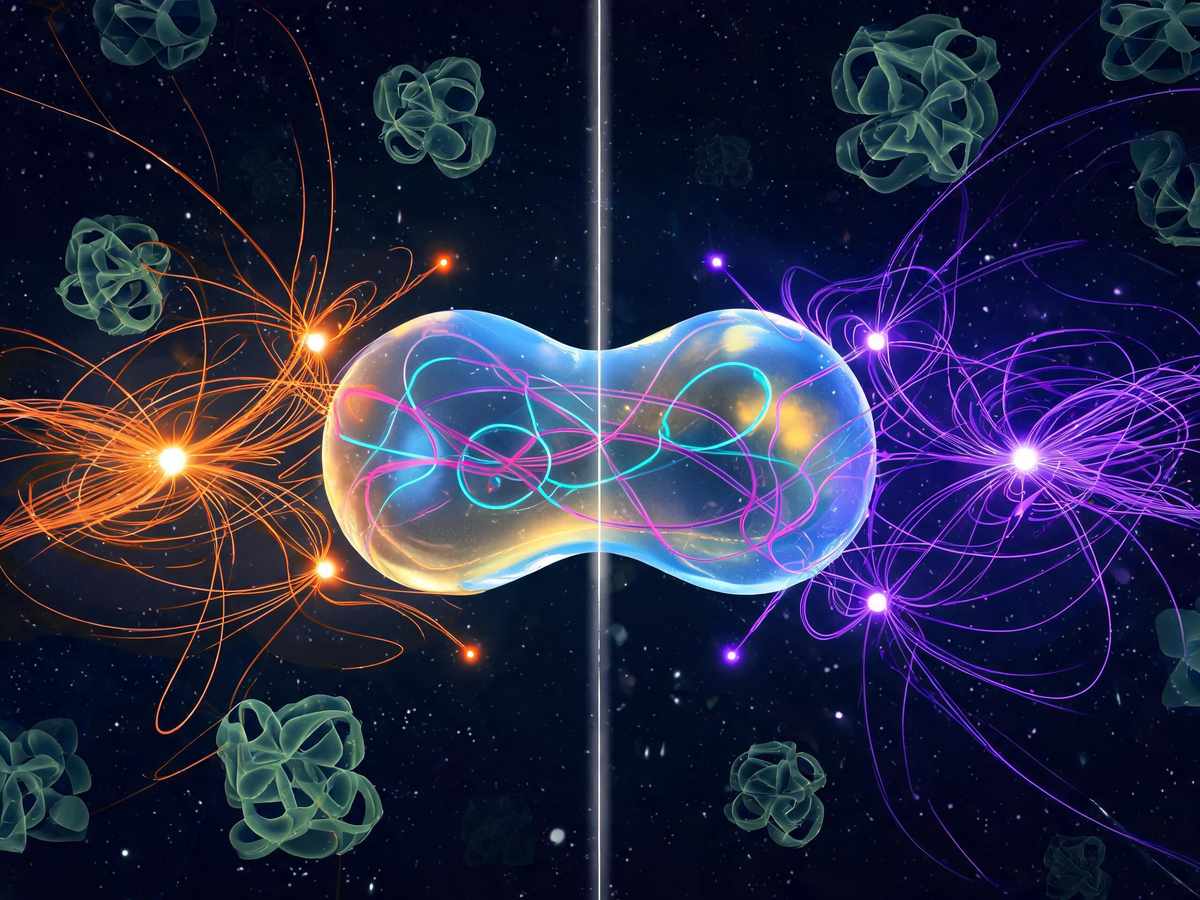
The Mirror That Connects: Electric-Magnetic Duality and the Geometric Langlands Program
Electric-magnetic duality in supersymmetric gauge theory maps onto the geometric Langlands program, revealing that fundamental symmetries of number theory arise naturally from quantum fields.