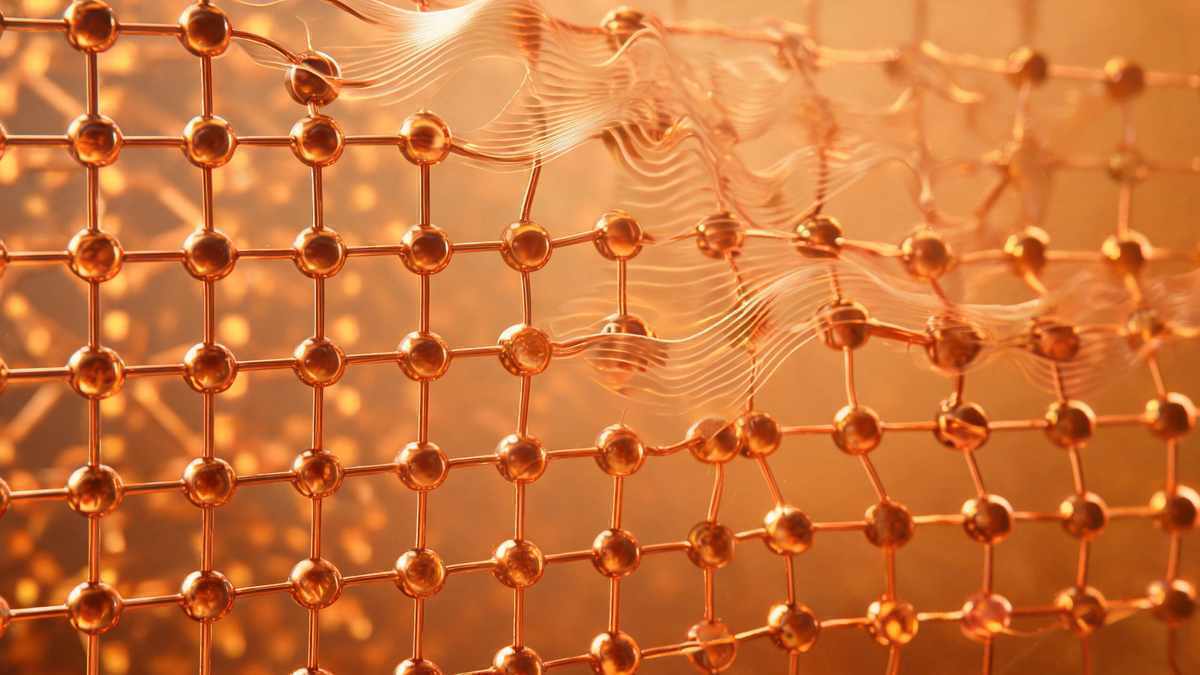
A Quantum Emitter Teaches Optical Networks to Think
The rapid scaling of deep neural networks comes at the cost of unsustainable power consumption. While optical neural networks offer an alternative, their capabilities remain constrained by the lack of efficient optical nonlinearities. To address this, we propose an ...
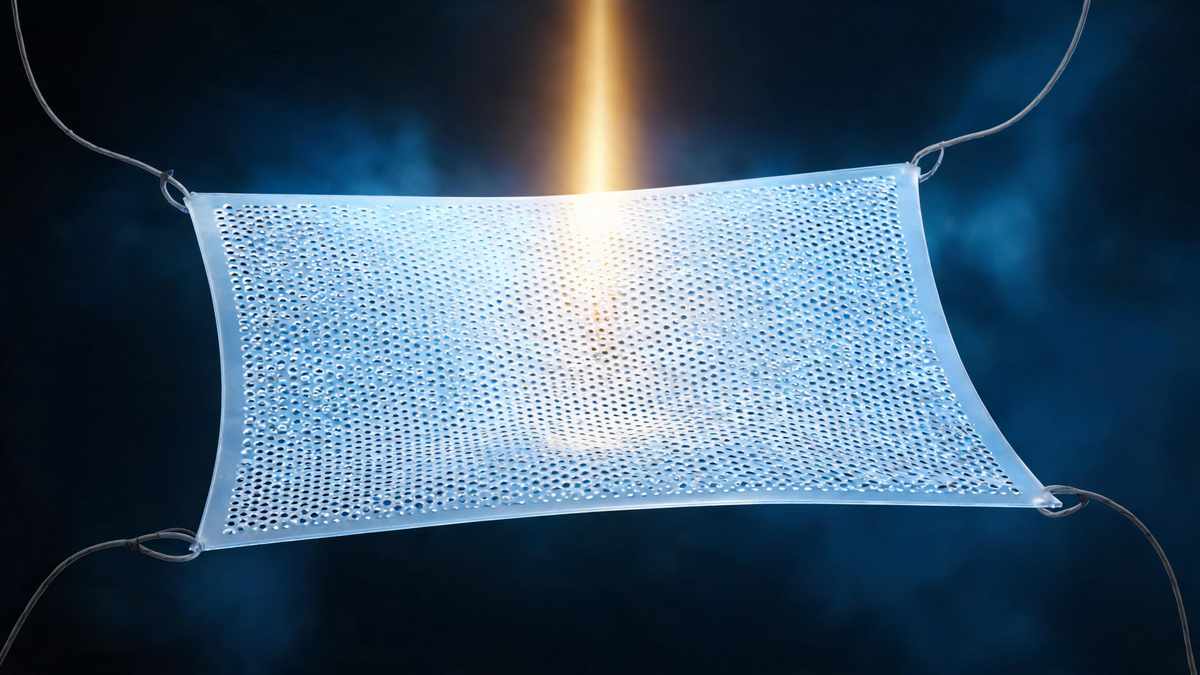
The Trampoline That Catches Light: A Record-Breaking Photonic Crystal Lightsail
A 200-nanometer-thick photonic crystal membrane deflects more than a micrometer under the pure radiation pressure of a near-infrared laser, setting a record for lightsail optomechanics.

A Gentle Squash Unravels Helices: The Hidden Grammar of Packing in Imperfect Tubes
Even a slight squash of a cylindrical tube disrupts perfect helices, forcing hard spheres into complex patterns with alternating chirality.
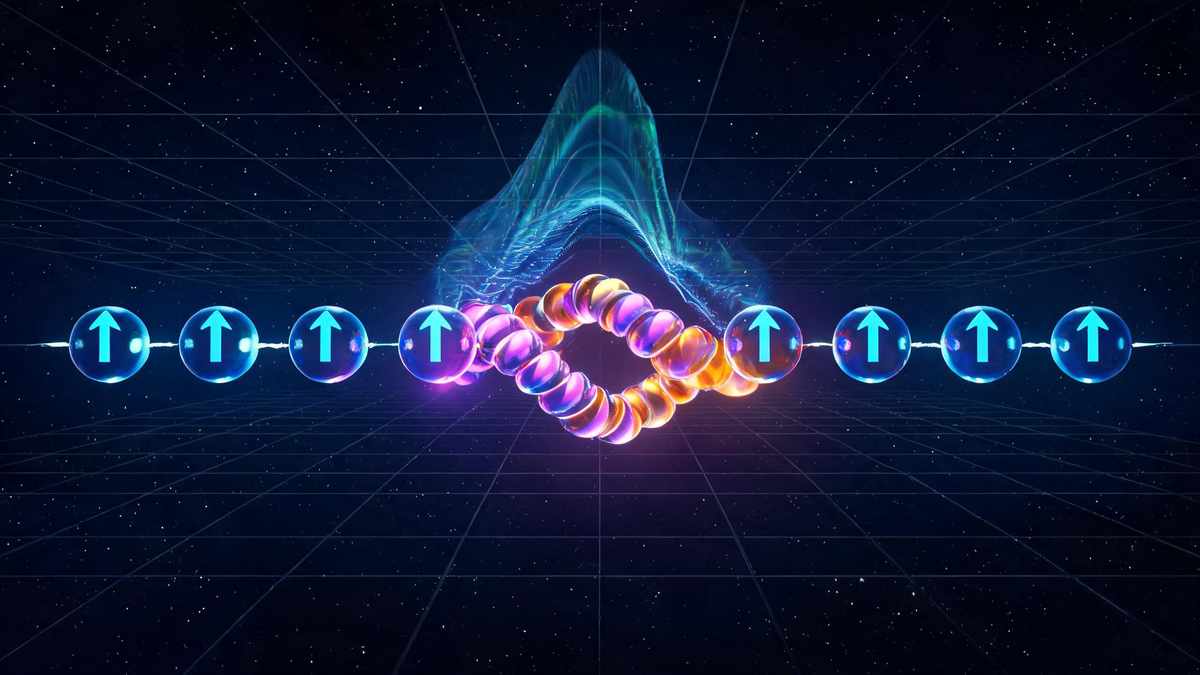
The Soliton That Learns to Tunnel: How Quantum Chirality Hides in Spin Chains
A chiral soliton in a quantum spin chain tunnels between lattice sites, its hopping amplitude governed by a topological Berry phase that alternates with spin parity.
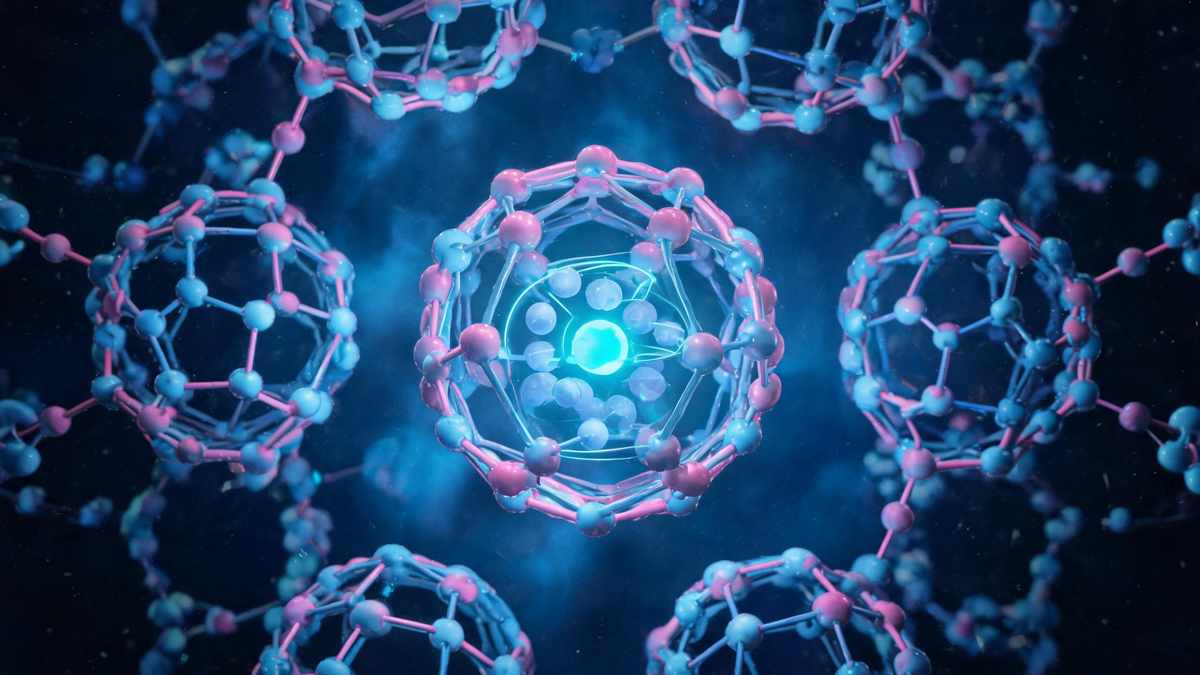
When Hydrogen's Simplest Electron Refuses to Quench
A hydrogen atom’s electron remains unpaired inside a boron-nitride cage, enabling ferromagnetism from s-electrons in a designed crystal.
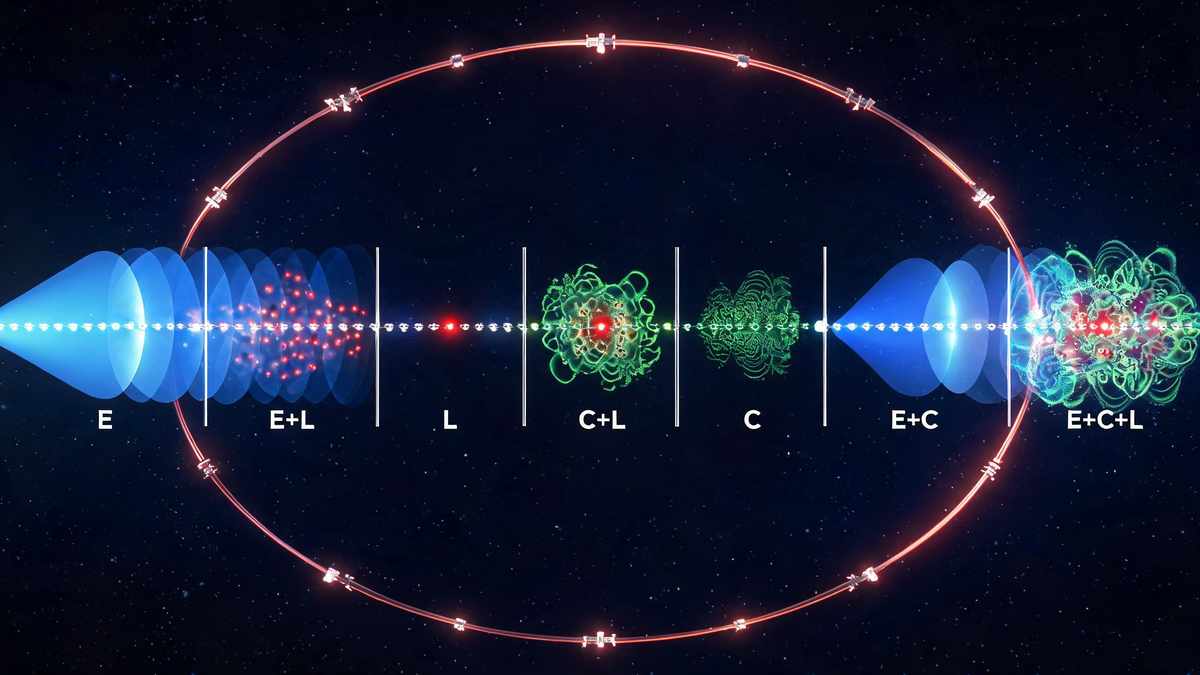
Mapping the Seven Phases of Anderson Localization
Scientists map all seven transport phases of Anderson localization within a single photonic Floquet lattice, including the elusive triple coexistence of extended, critical, and localized states.
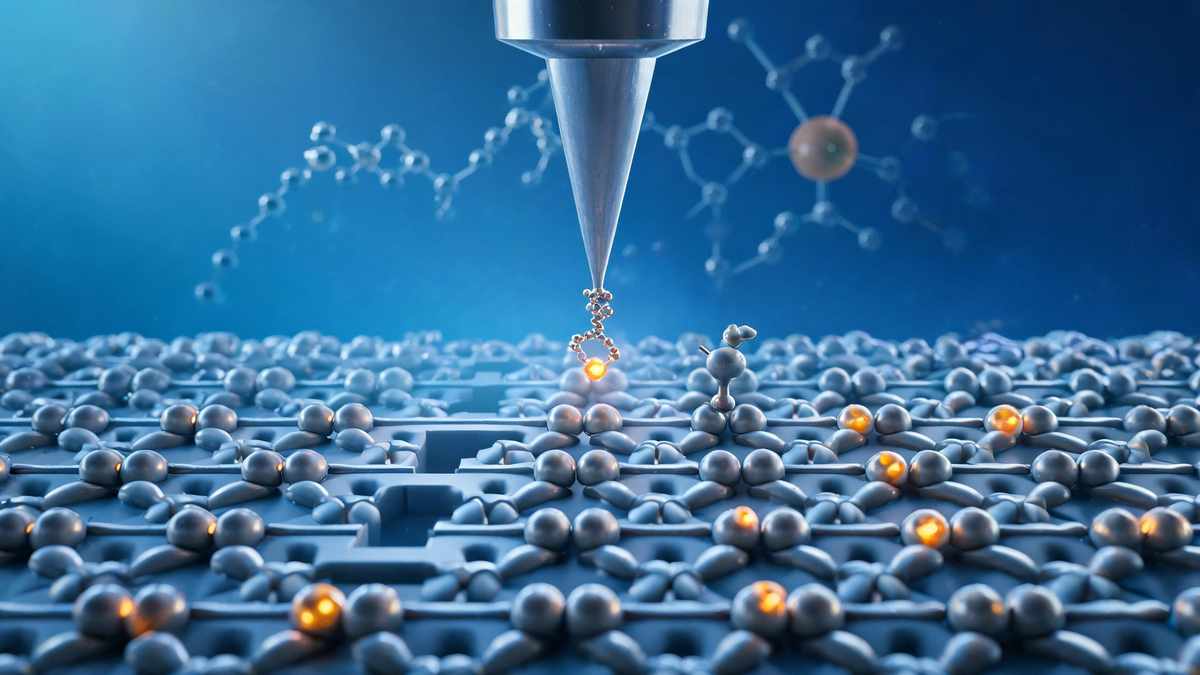
Teaching Atoms to Bond: A Molecular Hand for Mechanosynthesis
A molecular tool on an STM tip donates carbon atoms to or abstracts silicon atoms from a surface, enabling atom-by-atom mechanosynthesis.
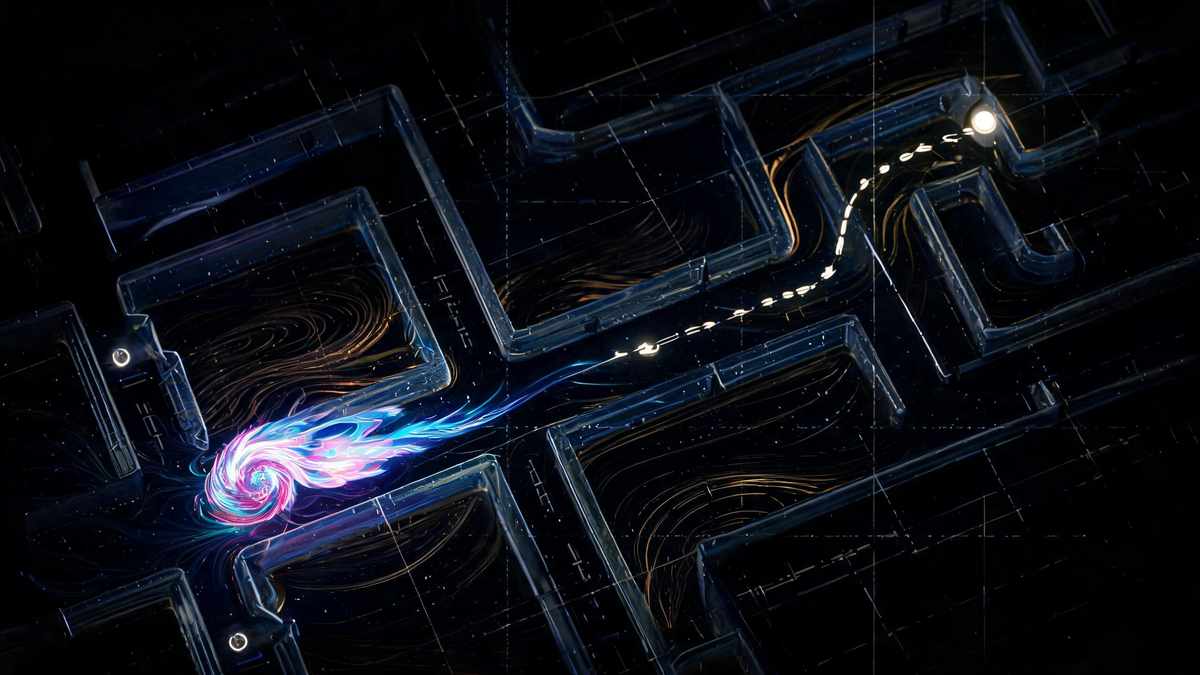
Steering the Unsteerable: AI Learns to Control Liquid Crystal Defects
A deep reinforcement learning agent learns to steer a self-propelled topological defect through a microfluidic maze, revealing hidden rules of active nematics.
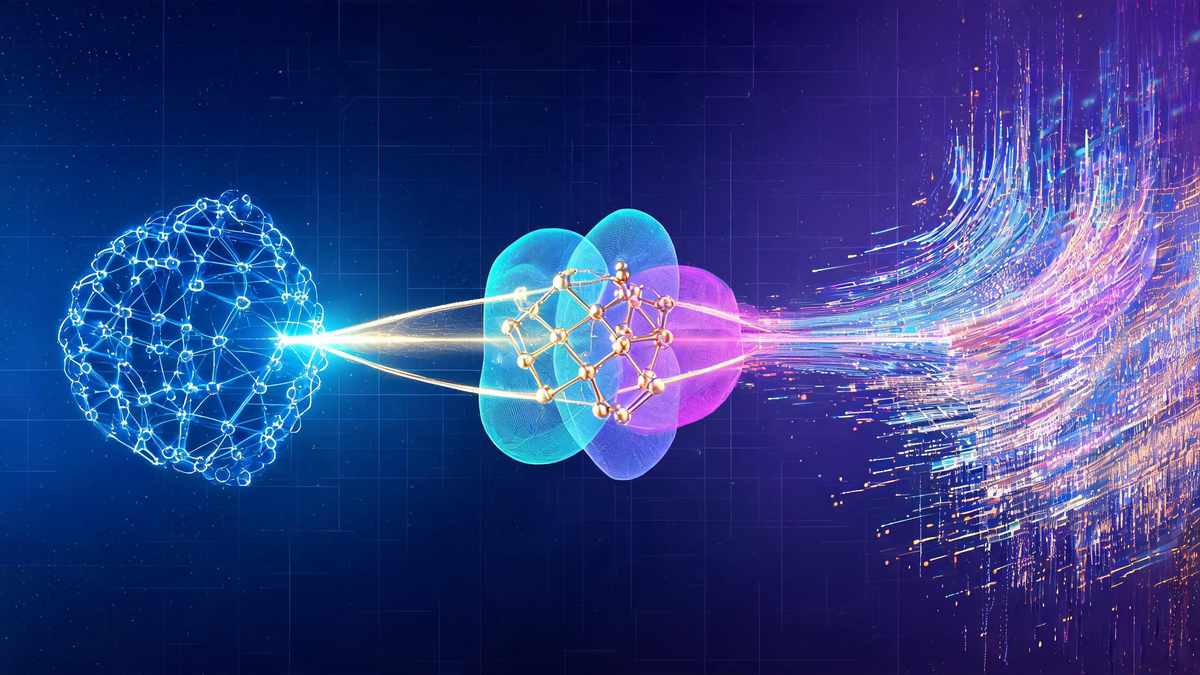
When a Language Model Learns to Read Its Own Homework
An LLM iteratively designs molecules by reading full quantum-mechanical explanations of its previous failures, achieving sub-thermal precision in property optimization.

Light Caught Trembling in a Curved Spacetime on a Chip
A photonic chip emulates curved anti-de Sitter spacetime, where a light beam's geodesic sway and rapid Zitterbewegung trembling reveal Dirac dynamics in a fabricated geometry.
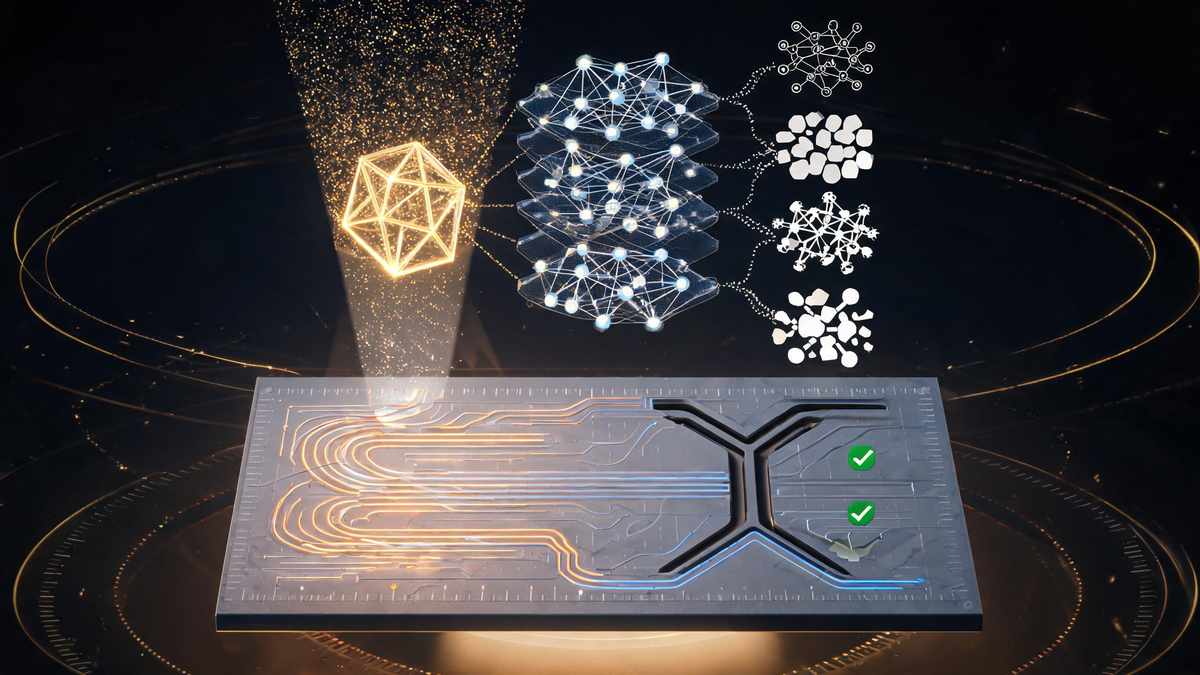
When Nanophotonics Learns to Obey the Rules
A learned generative manifold enforces nanophotonic design rules from the start, yielding manufacturable devices that match or exceed conventional performance with far lower computational cost.
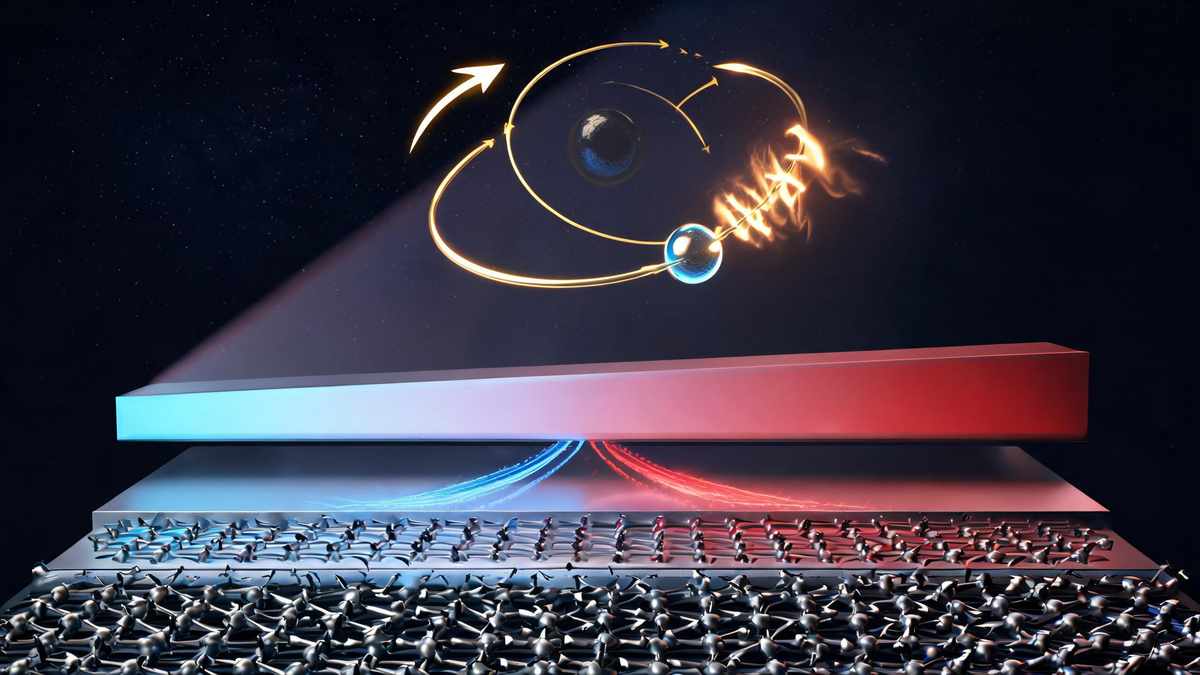
The Orbit That Moves Heat
Electrons' orbital angular momentum, not just spin, can carry heat, as shown by a wedge-shaped CuOx film revealing a new thermal messenger.

Jamming's Missing Identity: How Parisi and an AI Found the Proof
A proof linking the gap and force exponents in jammed glass was found by Parisi and Zamponi, aided by an AI language model.
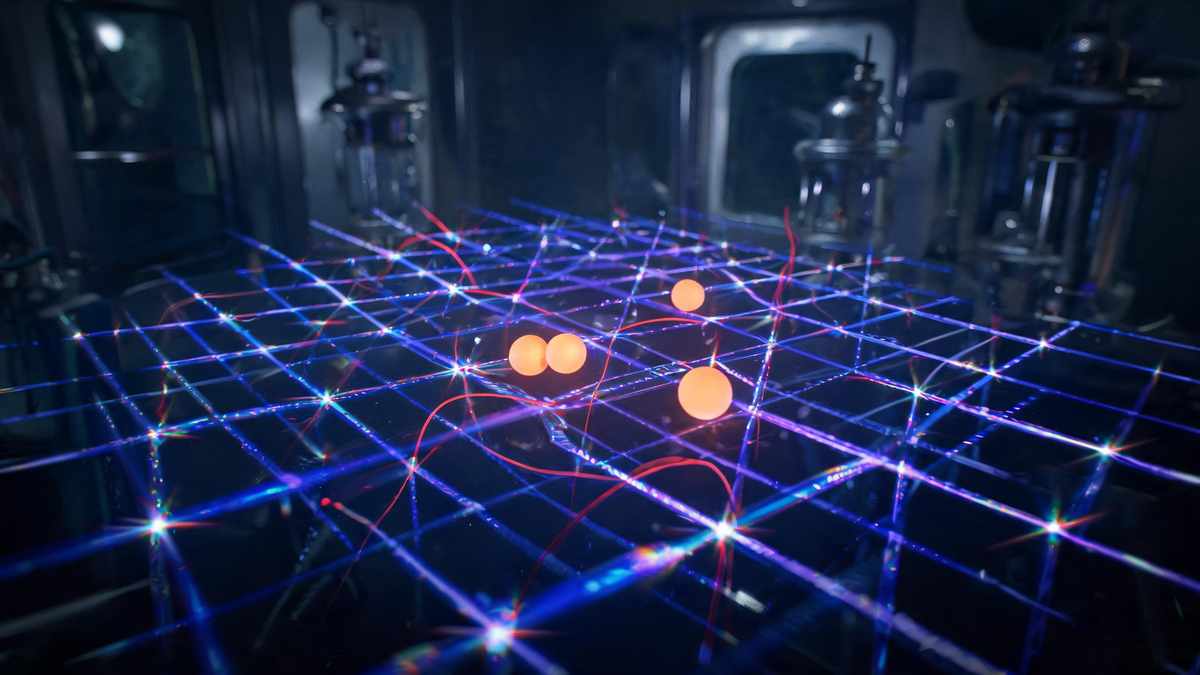
Building a Pfaffian State with Ultracold Rubidium Atoms
Three ultracold rubidium atoms in an optical lattice form a Pfaffian quantum Hall state, a long-sought topological phase that could enable fault-tolerant quantum computation.

Quantum Tidal Locking: When a Cloud of Atoms Spins in Sync
A Bose-Einstein condensate spontaneously synchronizes its internal rotation with its orbital motion, demonstrating quantum tidal locking on a microscopic scale.

When an Ice Piston Slams into a Canyon
A building-sized ice piston, formed by explosive ice splintering in a thunderstorm, slams into a canyon floor, leaving a clean bedrock scar.
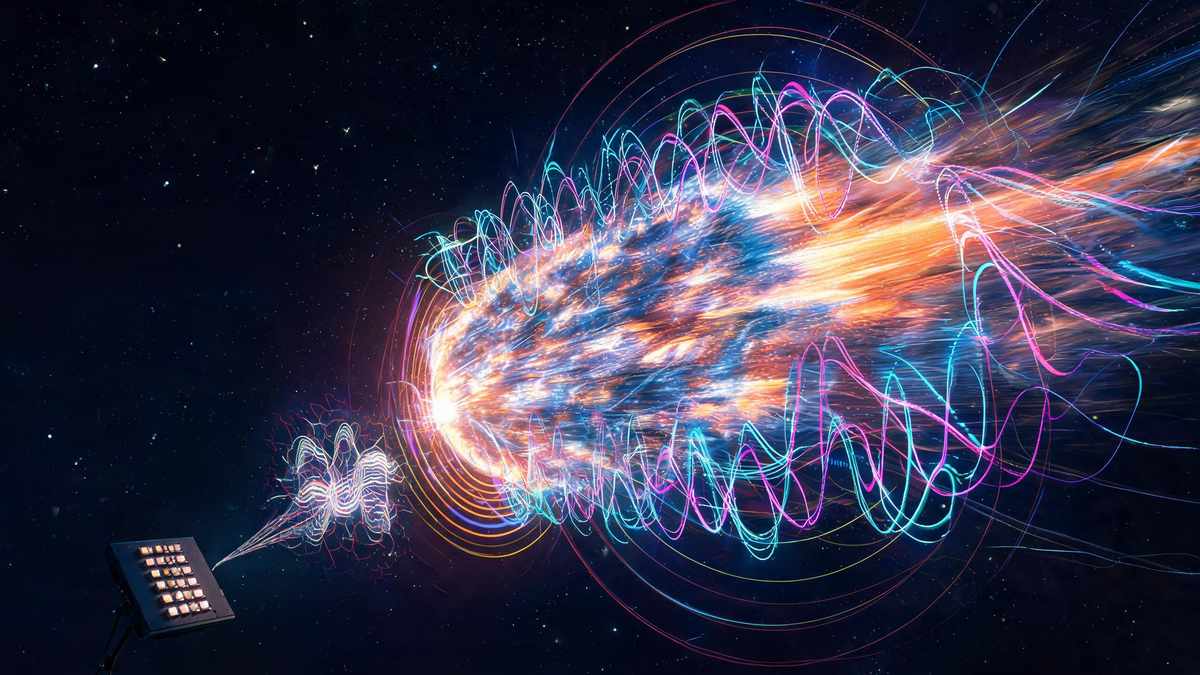
Reconstructing the Four‑Vector of Heat from Noise Alone
Electromagnetic noise from a moving hot plasma, decoded via cross-spectral ratios, reveals both rest-frame temperature and drift velocity as a true four-vector.
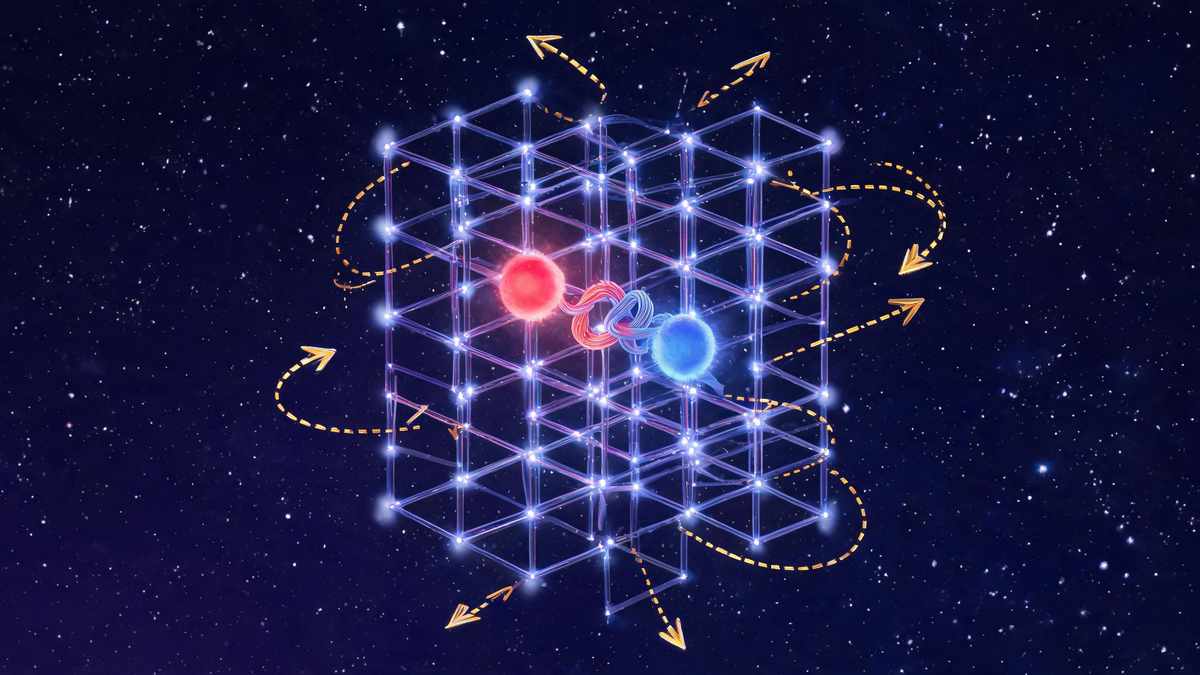
Cracking the Code of Symmetry-Enriched Topological Order
A universal grammar for symmetry-enriched topological order maps anyon braiding and symmetry actions to a complete set of rules for quantum spin liquids.

The Speed of Light's Shadow: Measuring Laser Beams at 100 MHz
By transforming laser beam spatial profiles into high-speed temporal signals, FLASH achieves beam quality measurement at 100 million frames per second.
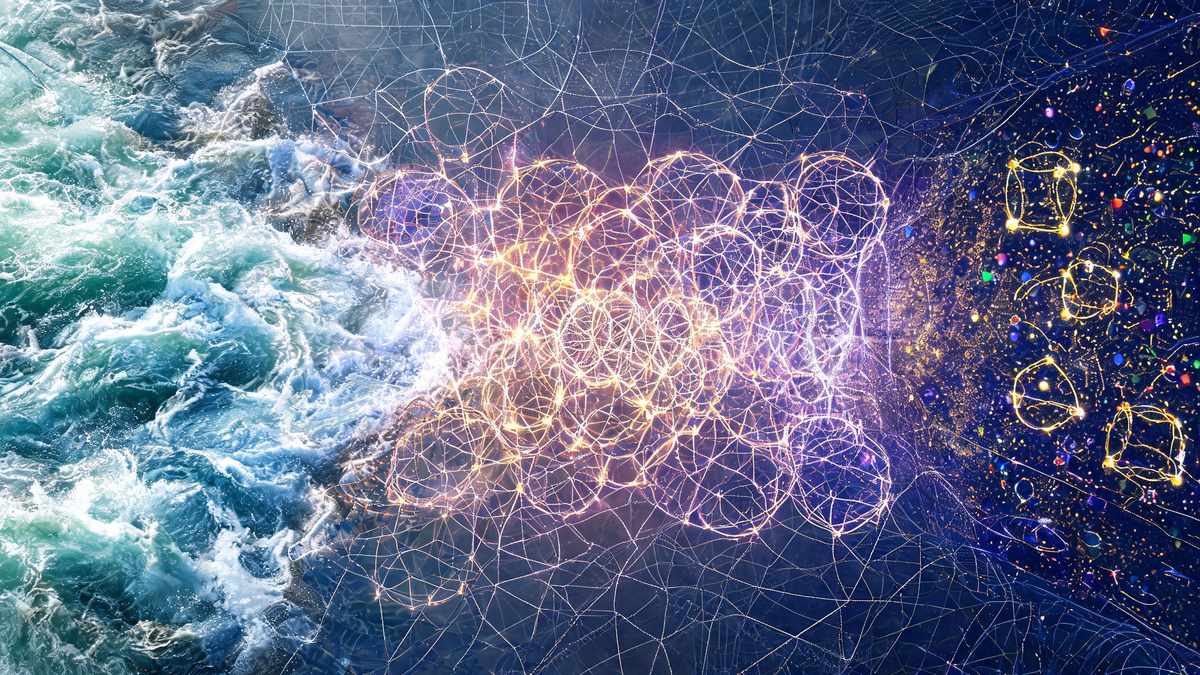
When Turbulence Learns to Speak the Language of Quarks
A universal loop-space diffusion equation unites the chaotic swirl of turbulence with the quantum confinement of quarks, bridging two great mysteries of physics.

Connecting Localization and Gravity: The Hidden Transition in Rotated Space
A simple rotation of quantum operators reveals a hidden localization transition, where wavefunctions become multifractal and the lattice mirrors a curved spacetime.

The Hidden Courtyard Where Electrons Turn into Molecules
Inside a four-layer cuprate, pristine inner copper-oxygen planes shield electrons from disorder, enabling them to pair so strongly they behave as bosonic molecules, driving a BCS-to-BEC crossover.
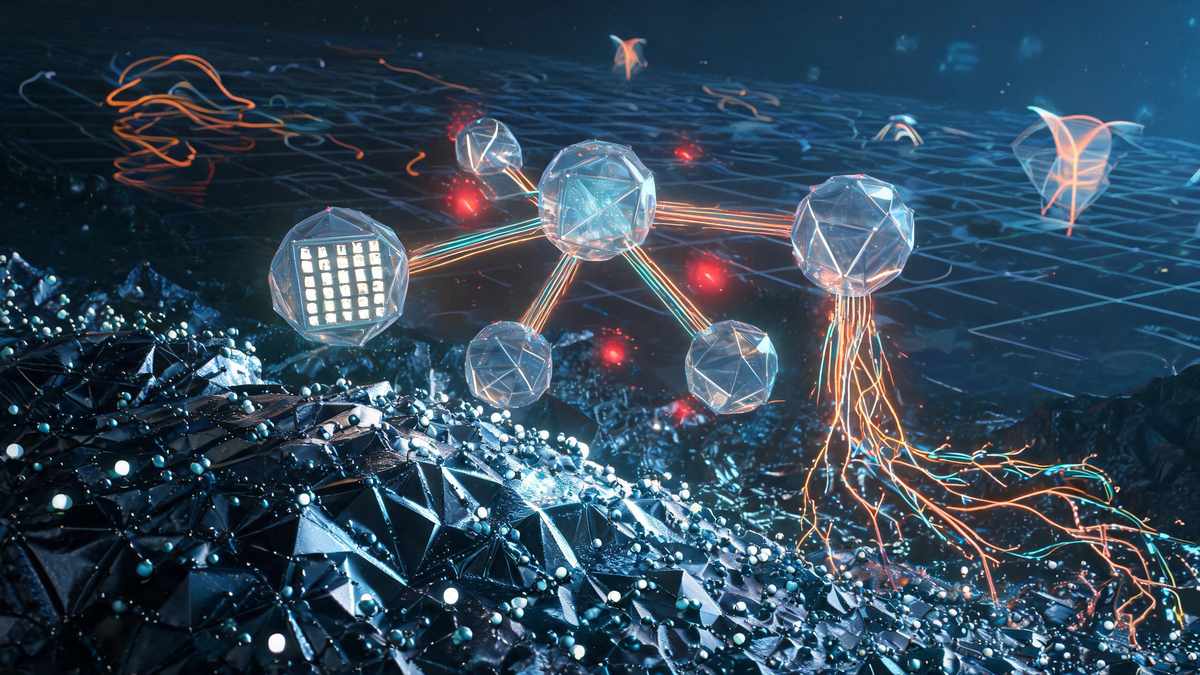
The AI That Learned to Doubt Its Own Answers
An AI swarm of specialized agents learns from its own failures to map catalytic reactions, turning stumbles into breakthroughs in autonomous scientific discovery.
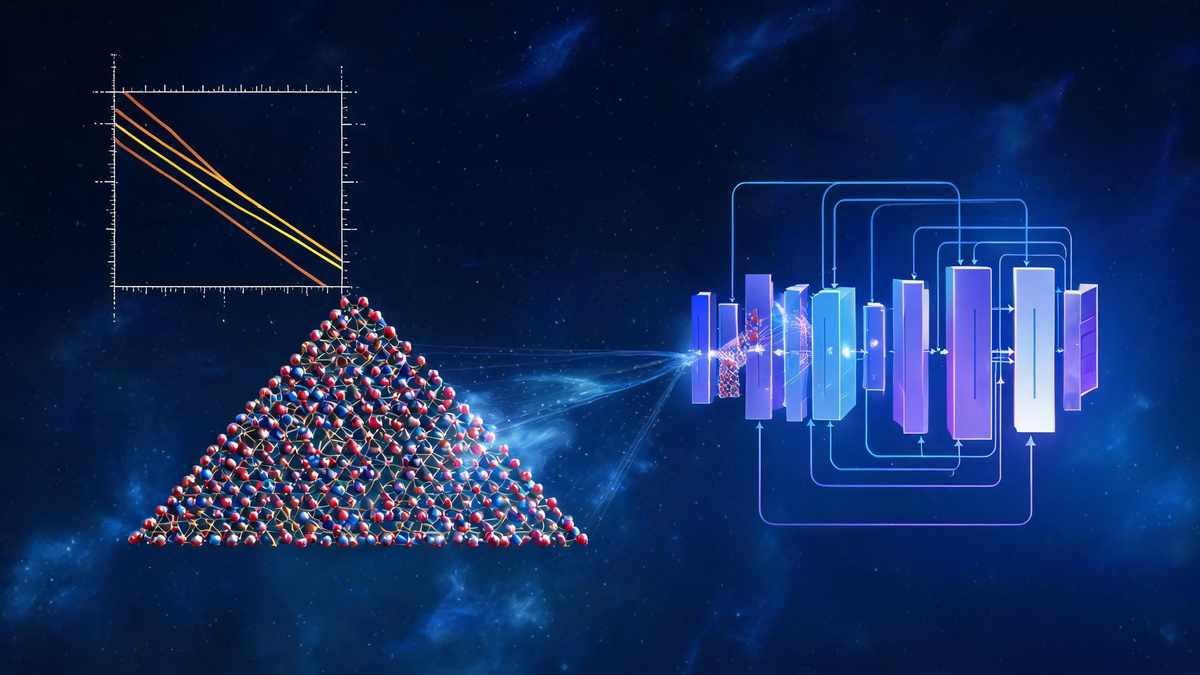
The Power Law Measuring Quantum Frustration
A transformer's computational cost to approximate a quantum state follows a clean power law, whose exponent reveals the strength of geometric frustration in spin systems.

How a Lattice Learned to Weave Non‑Abelian Loops
A lattice of qubit-like spins gives rise to non-Abelian loops whose braiding and fusion mirror a continuum field theory.
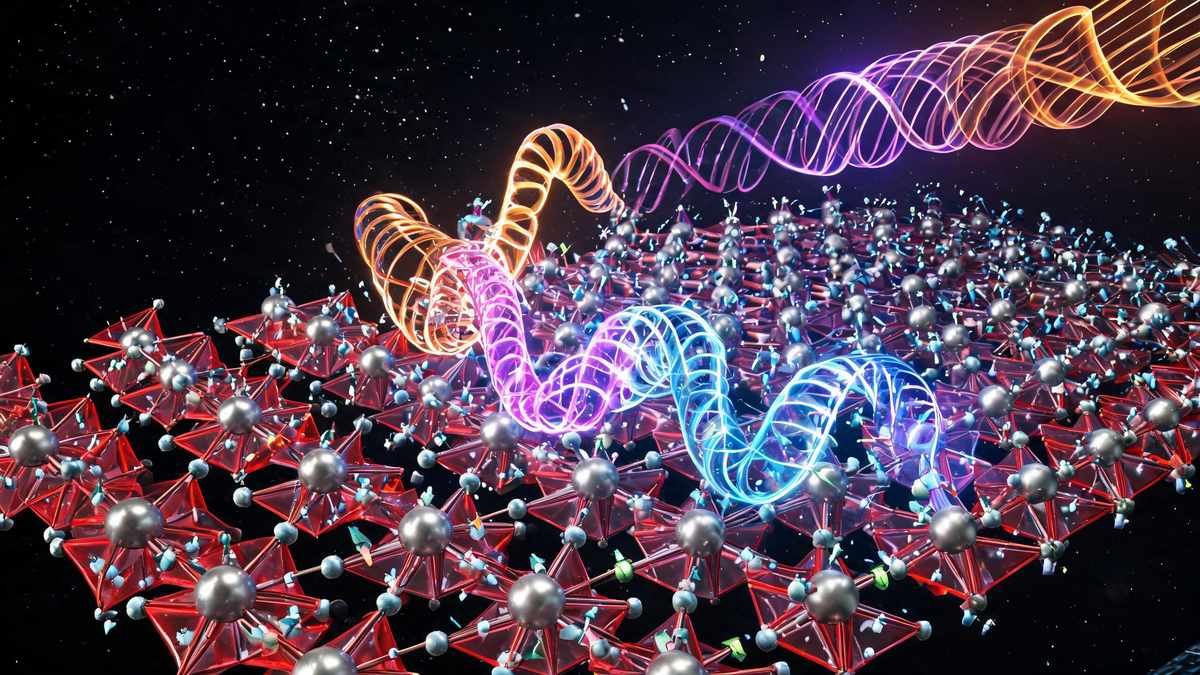
When a Vibration Learns to Spin
Lattice vibrations in metallic strontium titanate develop chirality and couple to electron spins, creating a hybrid mode with a magnetic personality.
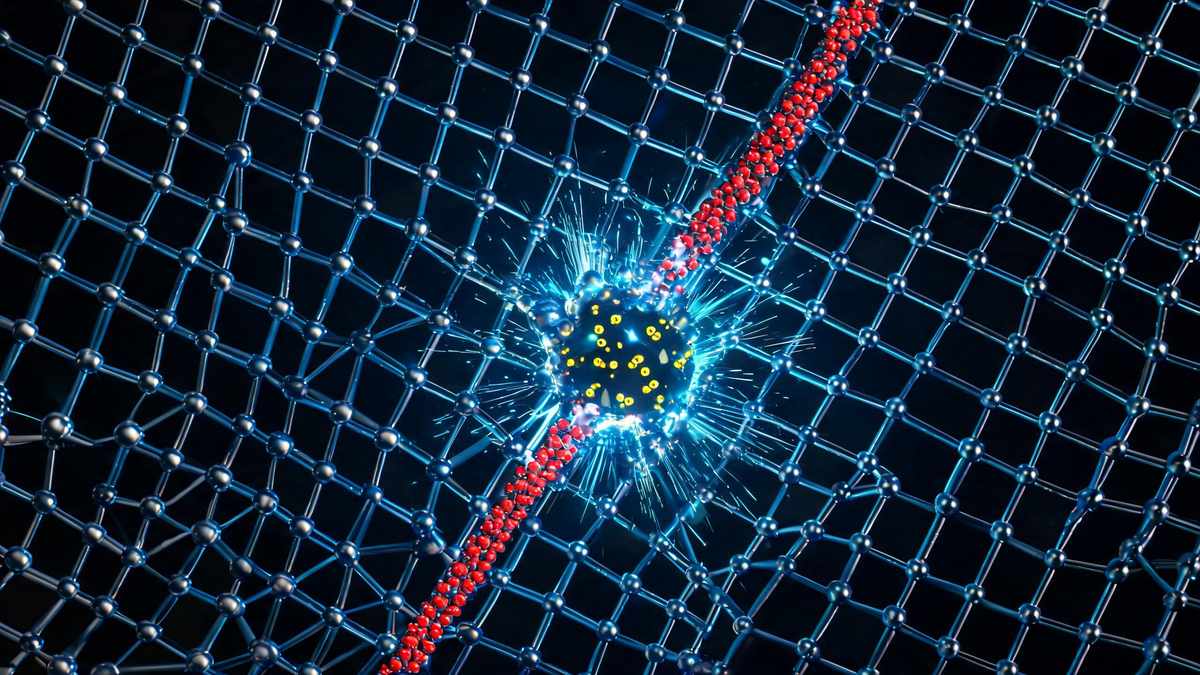
The Traitor Within: Hydrogen’s Atomic Rebellion Against the Metal That Holds It
Trapped hydrogen atoms at dislocation cores act as atomic bombs, triggering sudden crack nucleation and explosive cavity growth in metals, redefining the century-old puzzle of hydrogen embrittlement.
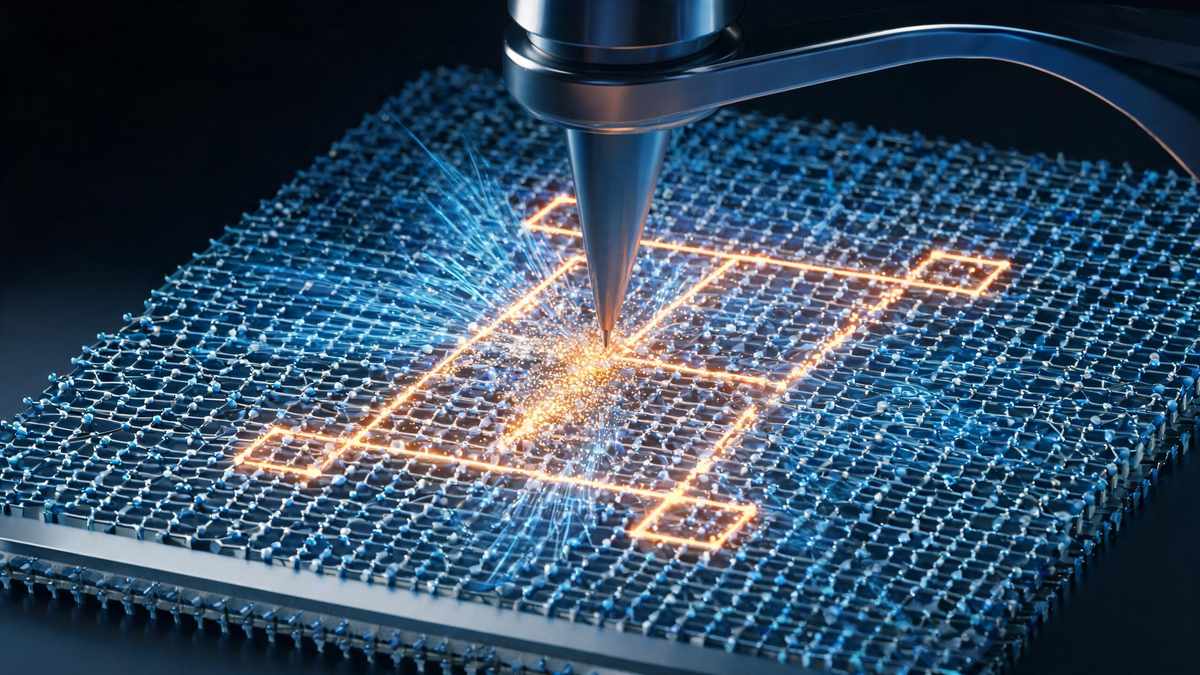
The Pen That Writes Superconductivity
An atomic force microscope tip writes superconducting Pd₇MoTe₂ nanowires by mechanically driving palladium into MoTe₂ at near‑room temperature.
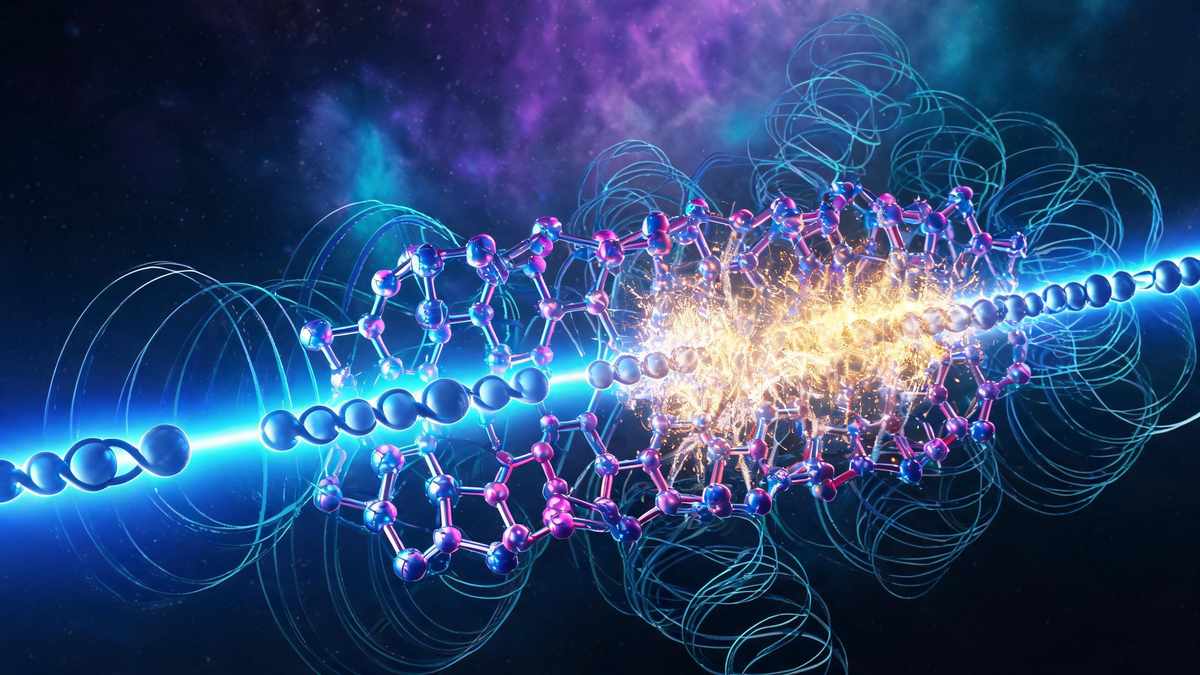
When Direction Becomes a Choice: Superconductors That Refuse to Go Both Ways
Superconducting diode effect, in analogy to the nonreciprocal resistive charge transport in semiconducting diode, is a nonreciprocity of dissipationless supercurrent. Such an exotic phenomenon originates from intertwining between symmetry-constrained supercurrent tr...
A Simple Rotation Bridges the Magnetic Divide
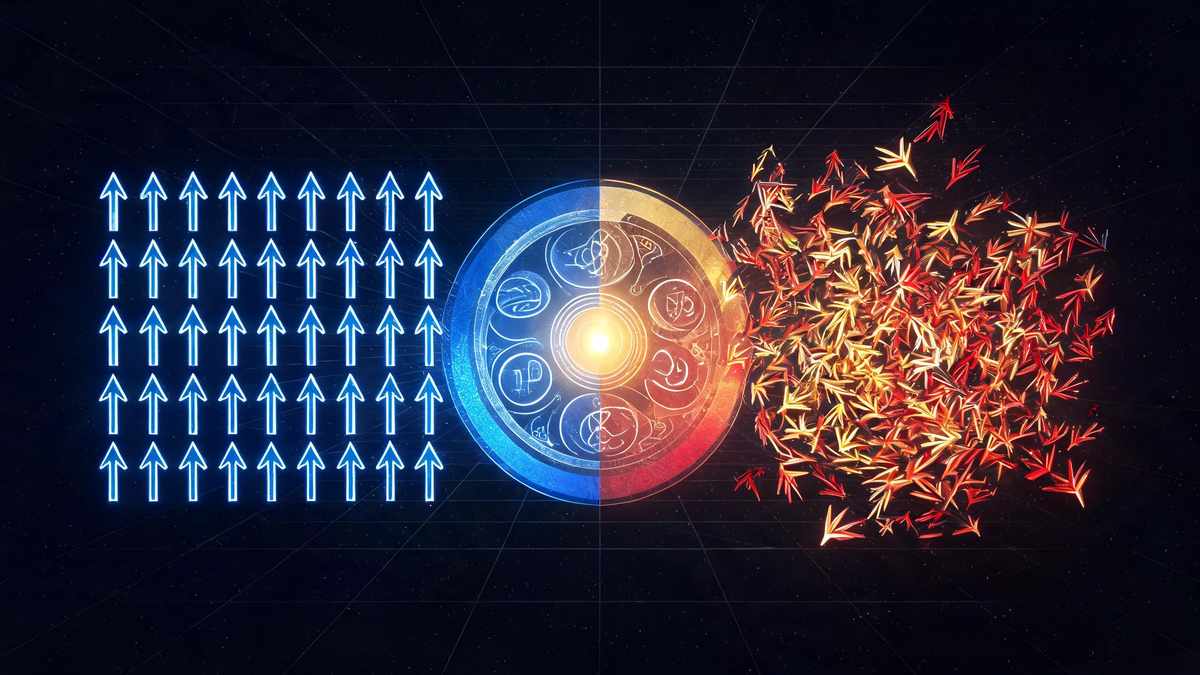
A universal SU(2) rotation transforms collinear density functionals into noncollinear ones, bridging a decades-old divide in magnetic theory.