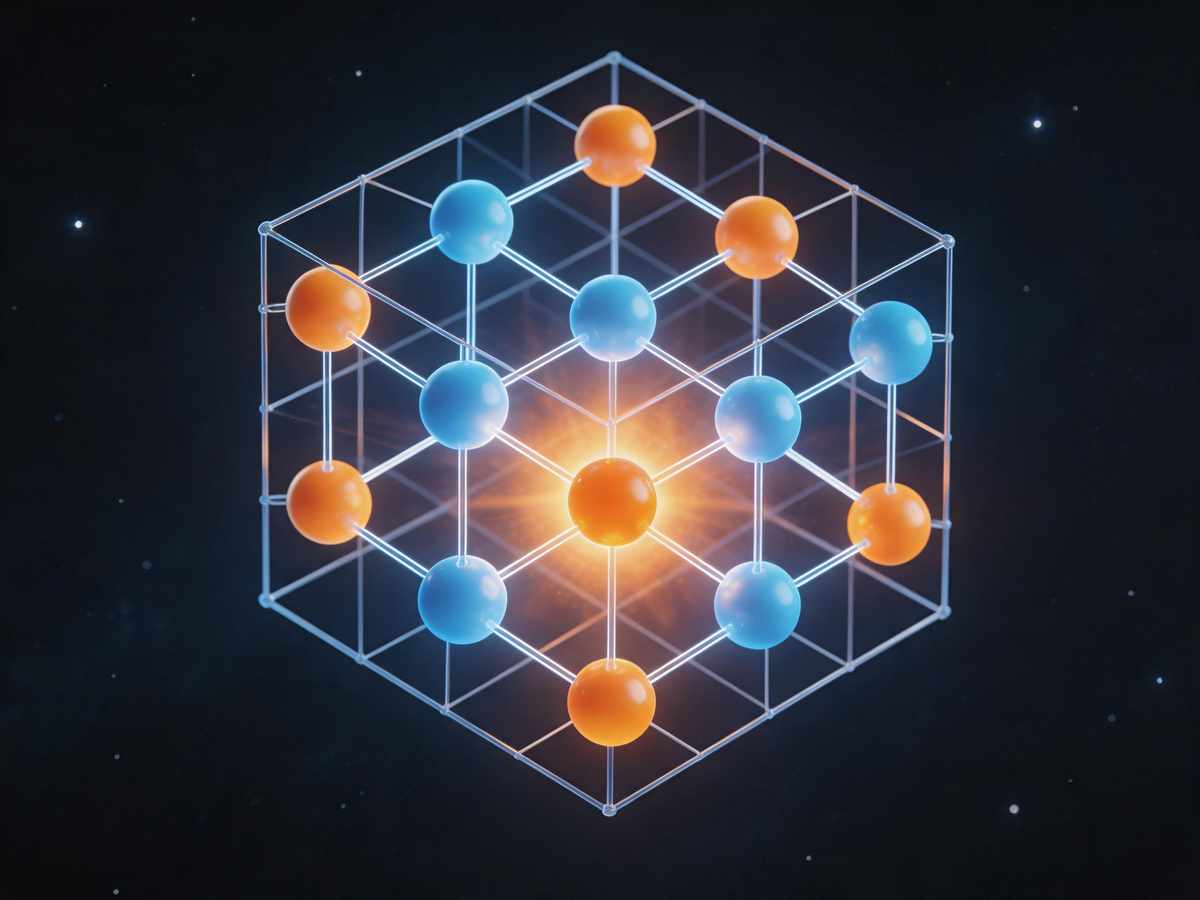
Taming Rydberg Decay: A Smarter Way to Protect Quantum Information
Rydberg decay errors in neutral atom qubits are located and corrected using the final measurement pattern in a topological cluster state.
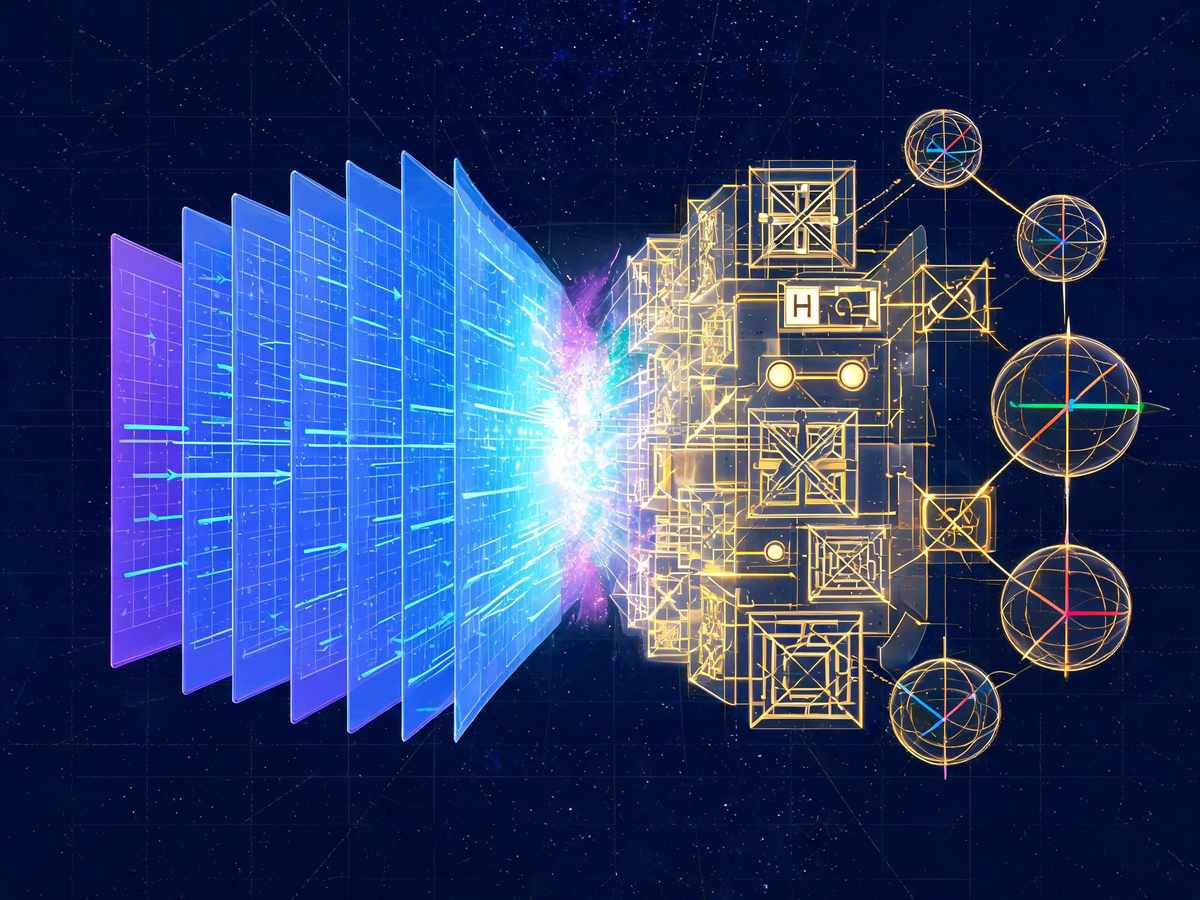
The Quantum Adapter That Learned to Improve Language
A quantum circuit adapter improves language model performance by inserting two-qubit unitary blocks into frozen transformer layers.
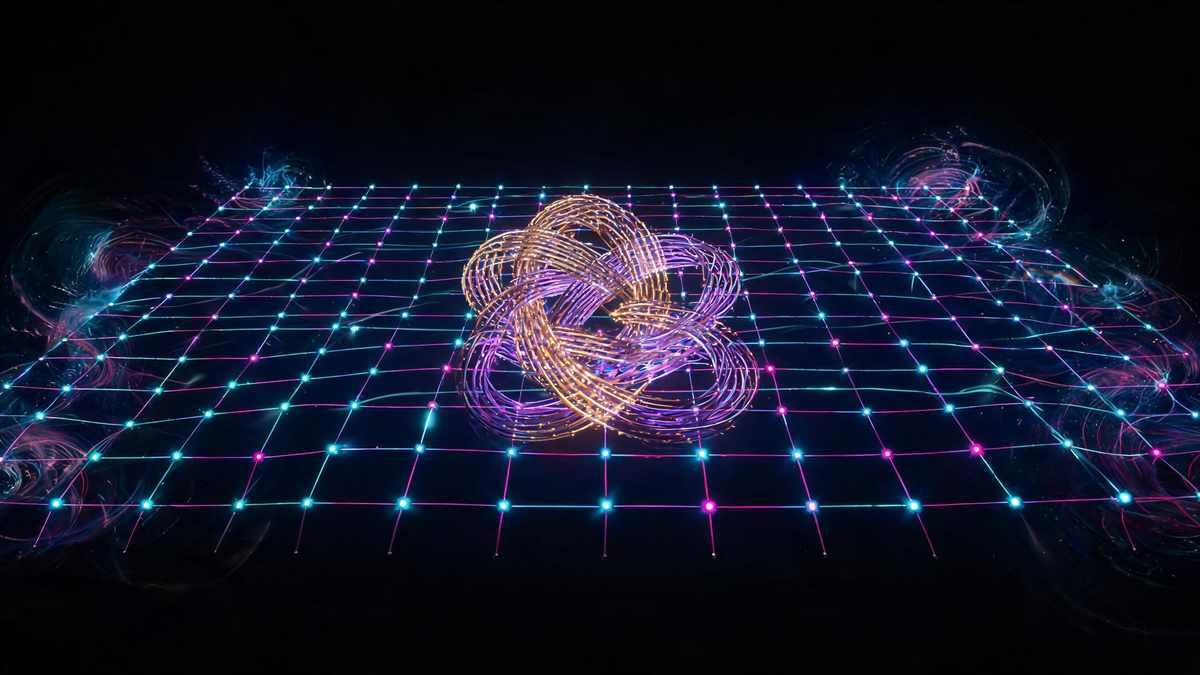
How a 2D Code Learned Magic
A two-dimensional stabilizer code reaches beyond its dimensional ceiling, using cup products to weave a transversal T-gate directly into the fabric.
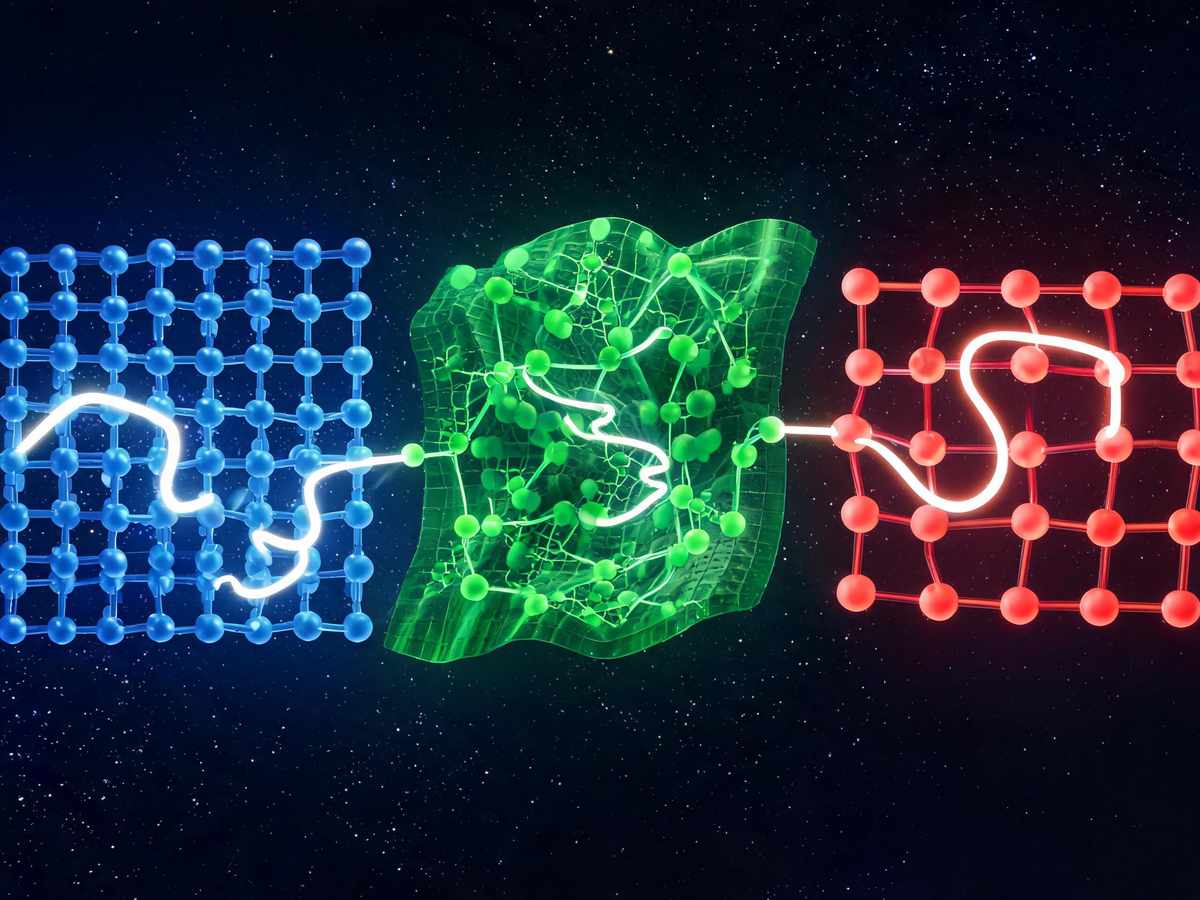
The Invisible Dimension that Decides Spin Squeezing
The spectral dimension of a spin network's connectivity decides whether scalable quantum squeezing can emerge.
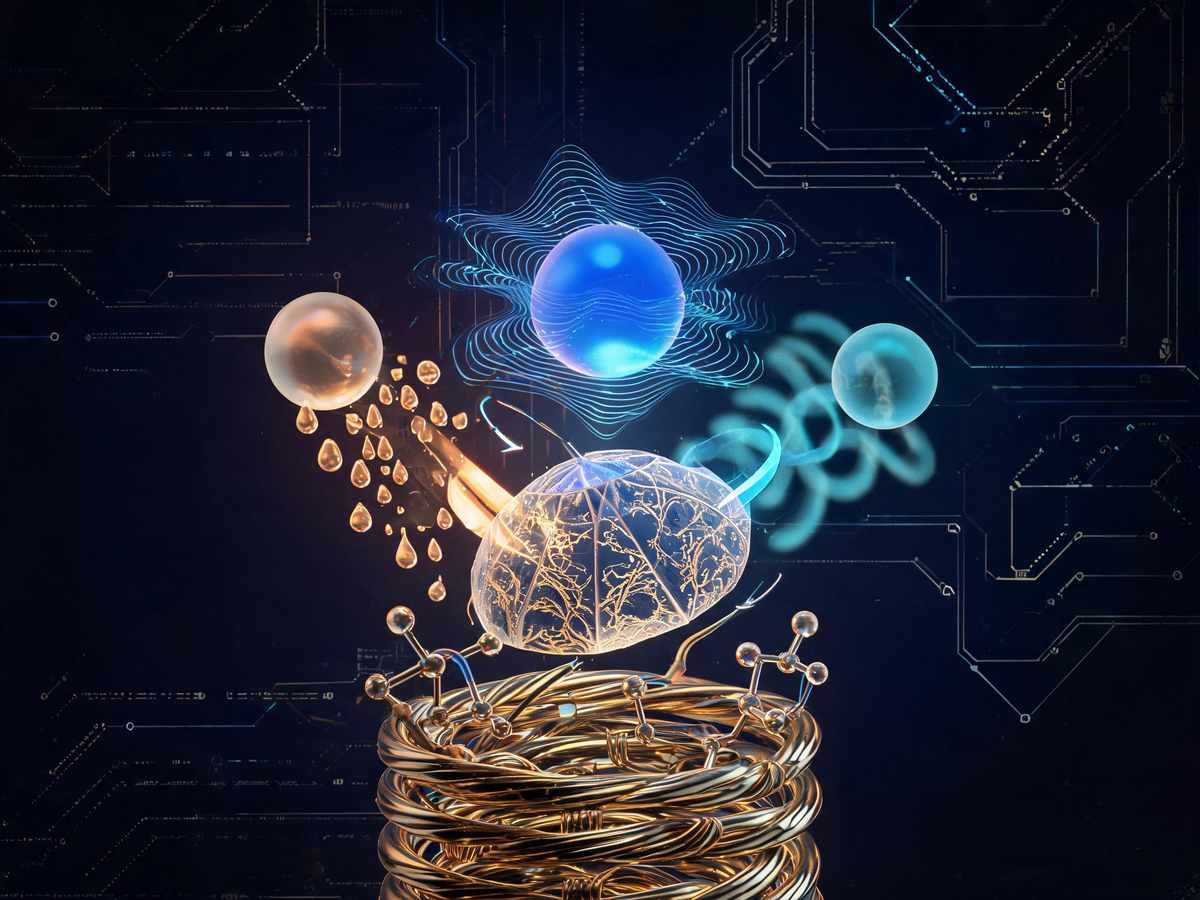
When Noise's Memory Becomes Its Undoing
In an NMR quantum processor, the Petz recovery map turns noise's own memory into a tailored undo operation, achieving high fidelity when the reference state matches the channel's fixed point.
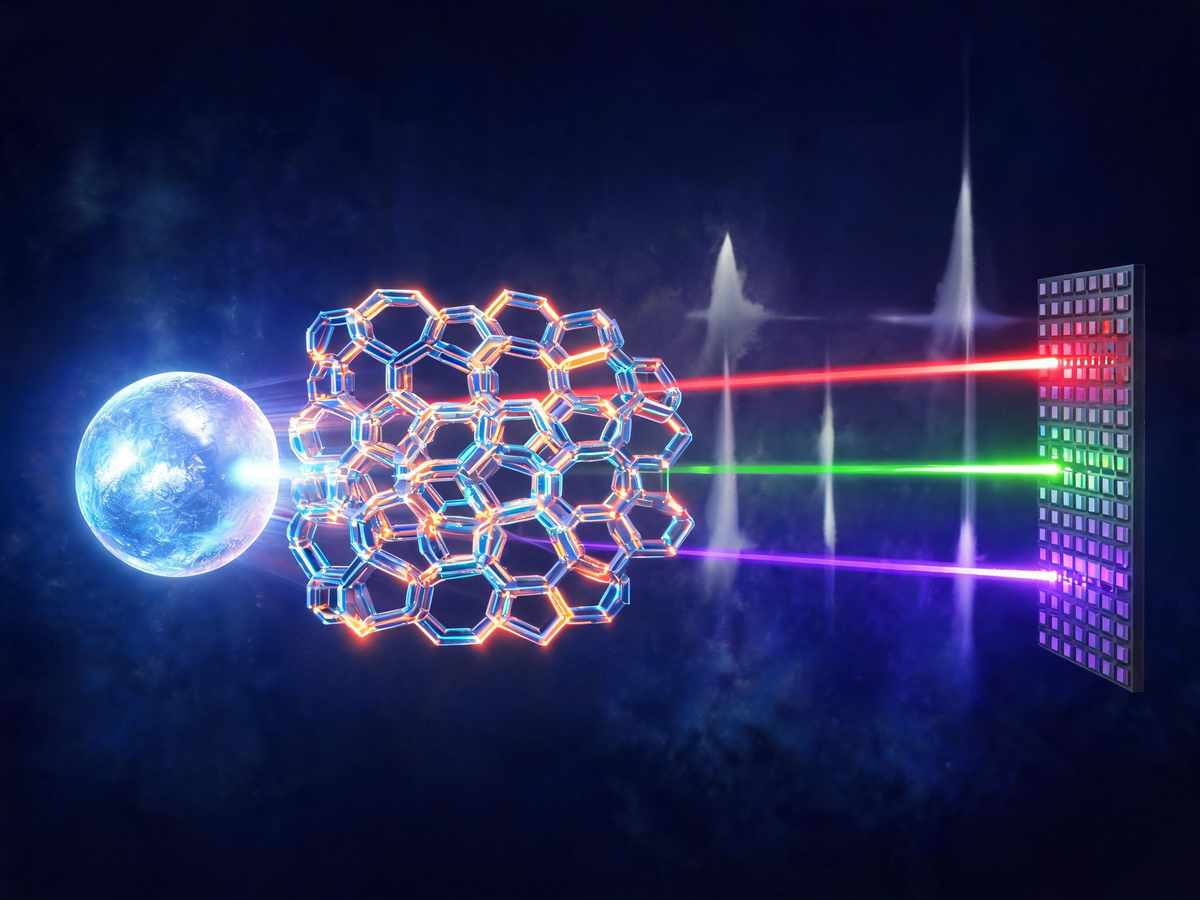
Quantum Compressed Sensing: Banishing the Logarithm
A single quantum probe, through domain-alignment evolution, directly maps sparse signal components to measurements, eliminating the logarithmic overhead of classical compressed sensing.
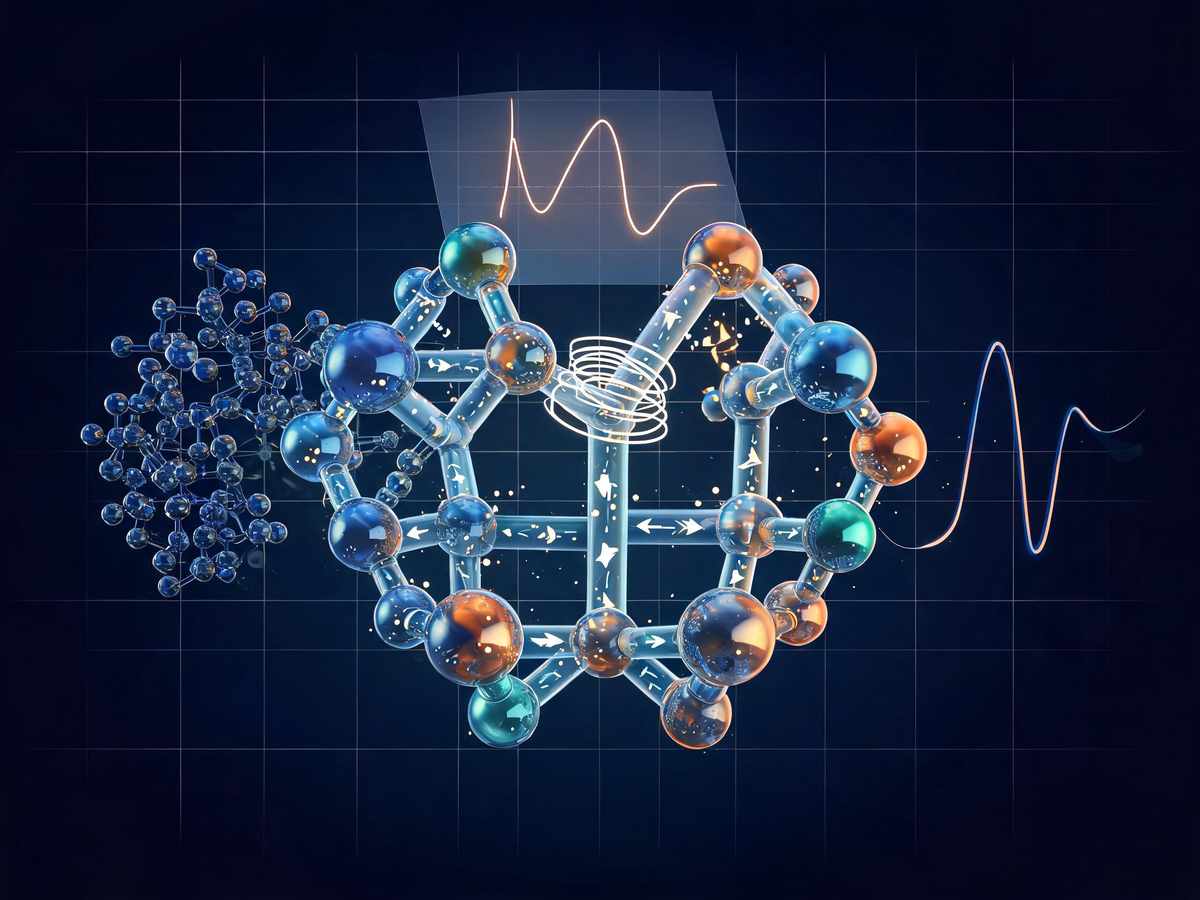
Breaking the Monotony: How Thermodynamic Networks Learn to Compute
By settling into a steady state, a thermodynamic network computes without clocks or logic gates, using negative differential conductance to break monotonic constraints.
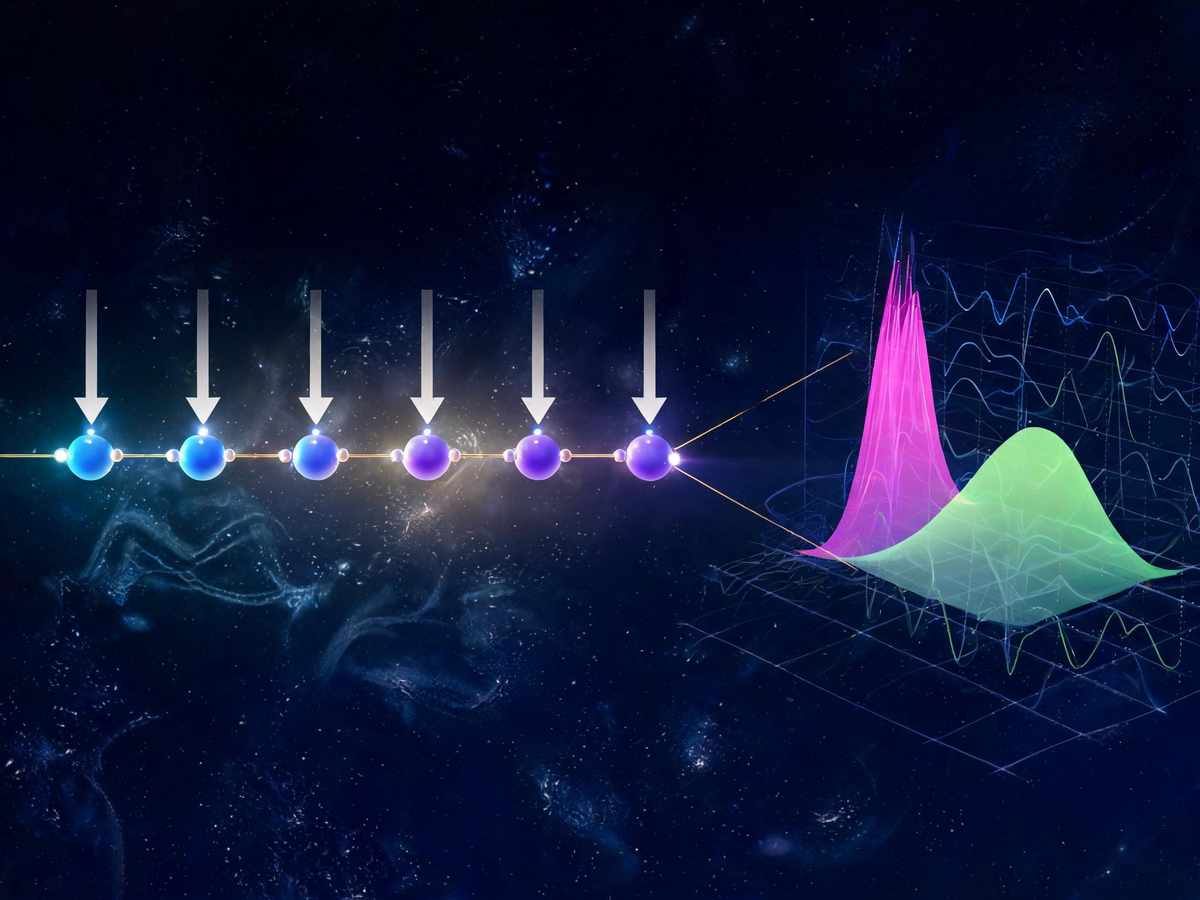
Is Quantum Chaos Hiding in the Second Moment?
In a many-body spin chain, the variance of entanglement across measurement histories separates chaotic dynamics from integrable ones, unmasking quantum chaos where averages fail.
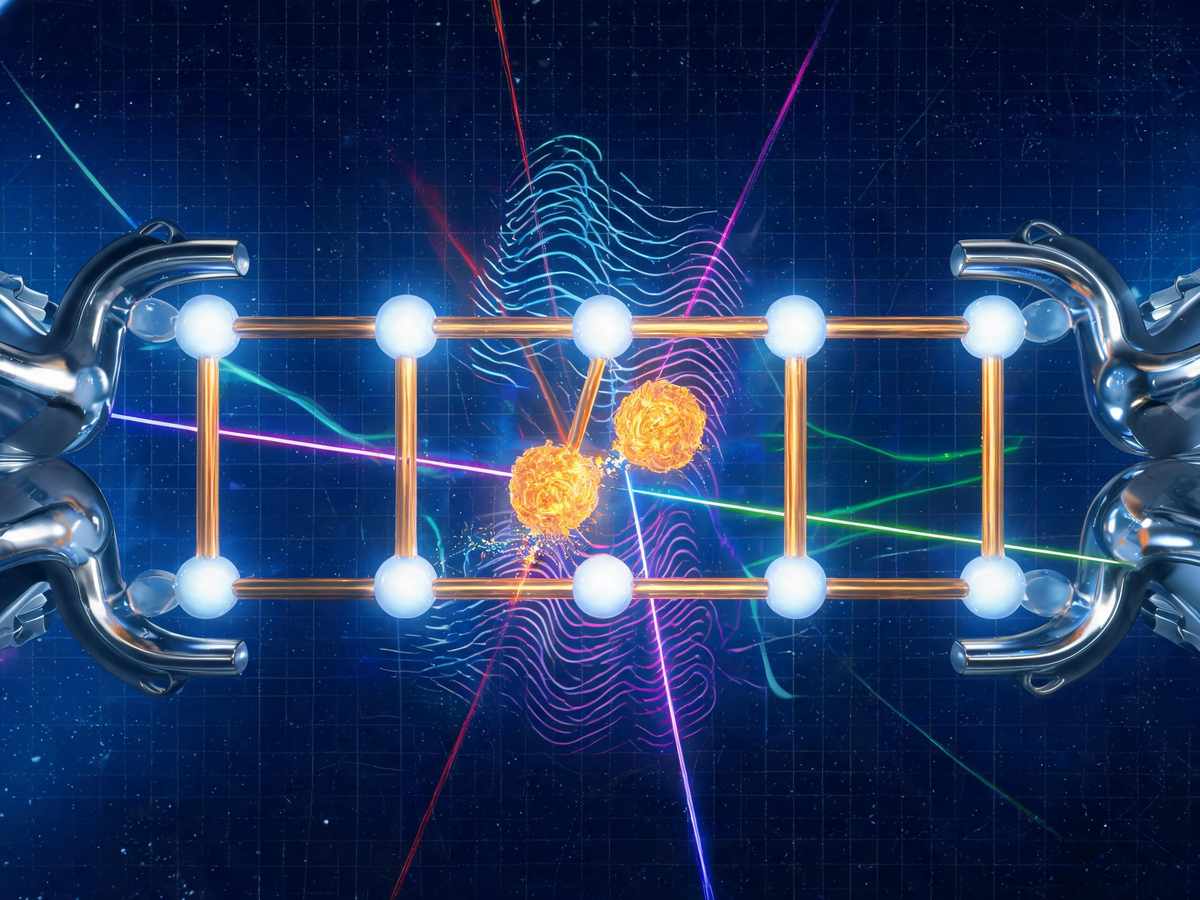
When a Quantum String Breaks Itself
For the first time, a trapped-ion quantum simulator observes non-abelian string breaking, where the force that binds quarks tears itself apart without any dynamical matter.
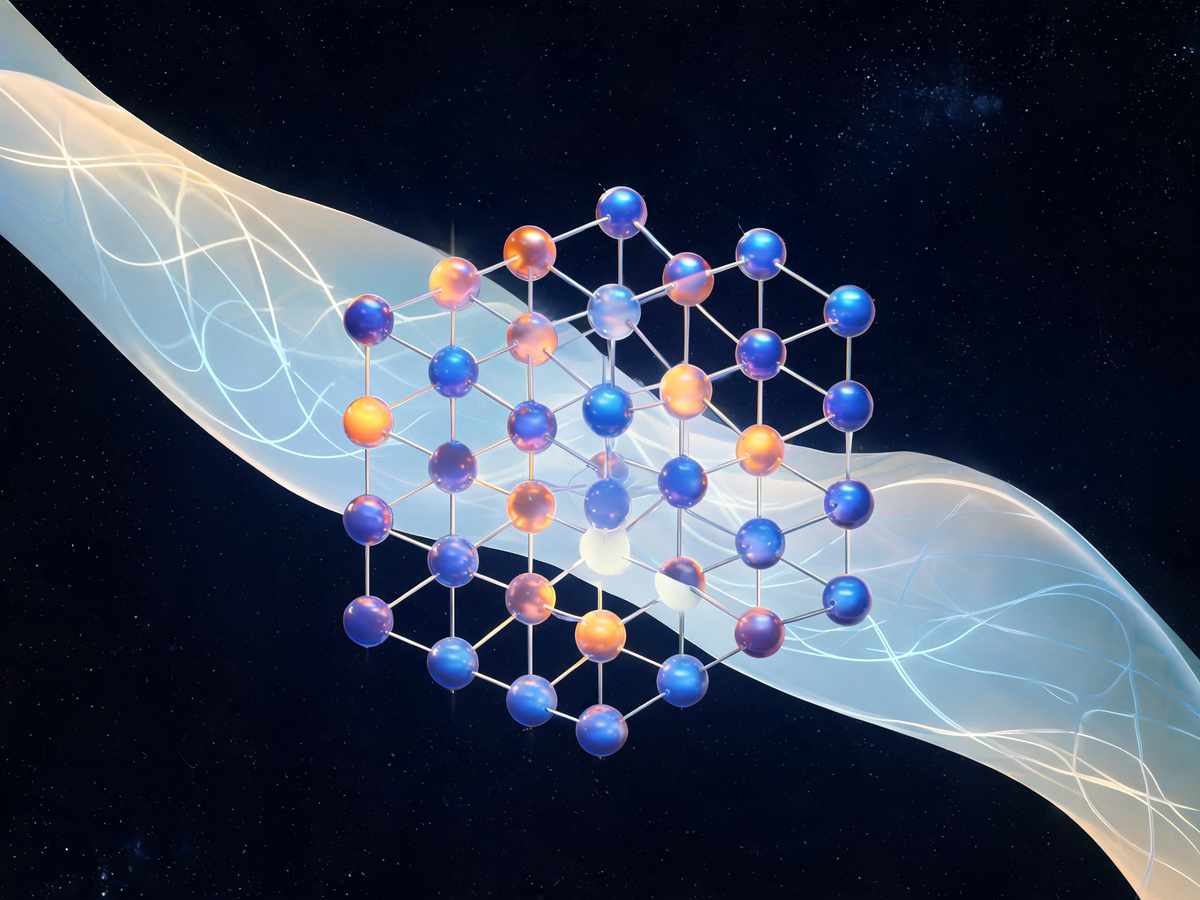
Learning a Quantum System's Rules at Any Temperature
A flat polynomial approximation enables learning a quantum Hamiltonian from thermal states at any constant temperature.
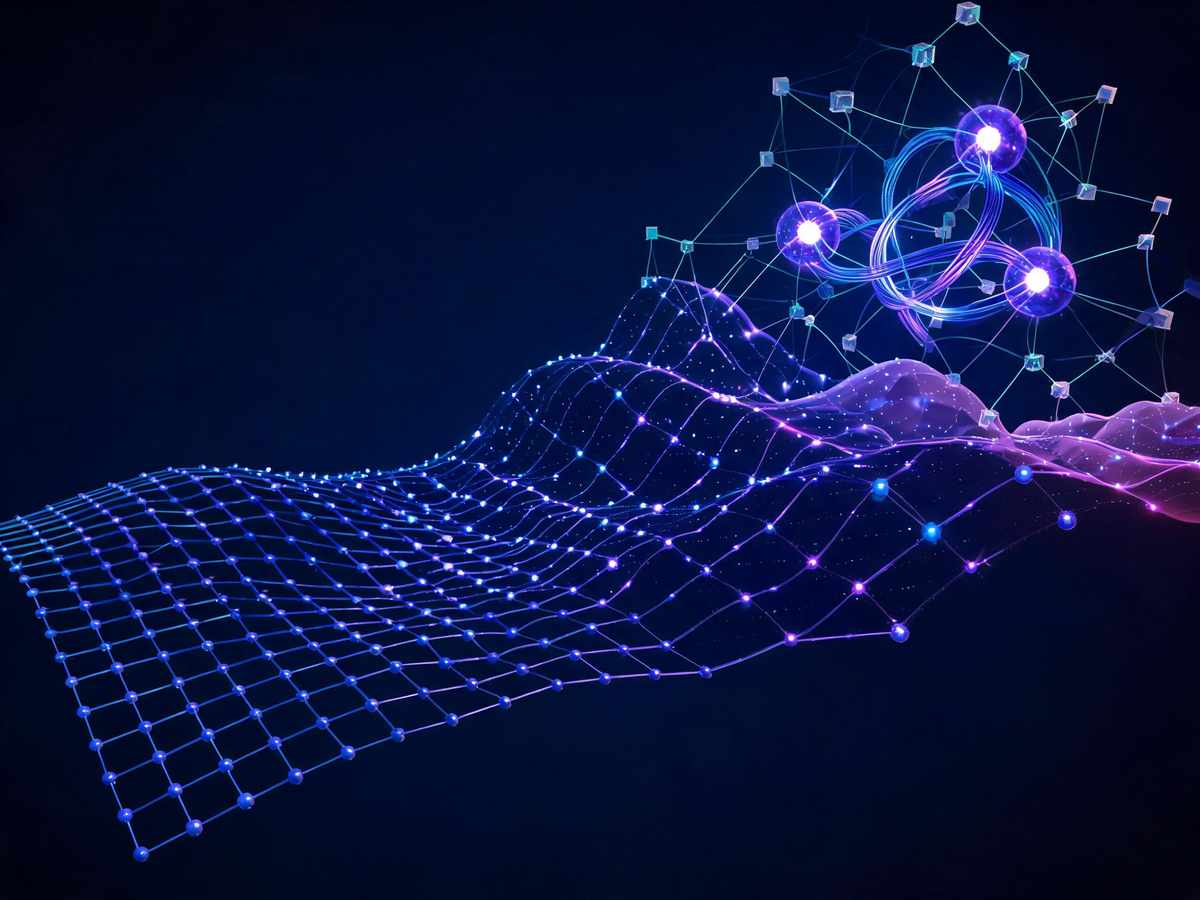
The Heartbeat Gauging World Models and Quantum Hardness
Wavelet variance equipartition in a world model's latent space reveals a quantum hardness boundary, linking turbulence theory to machine learning.
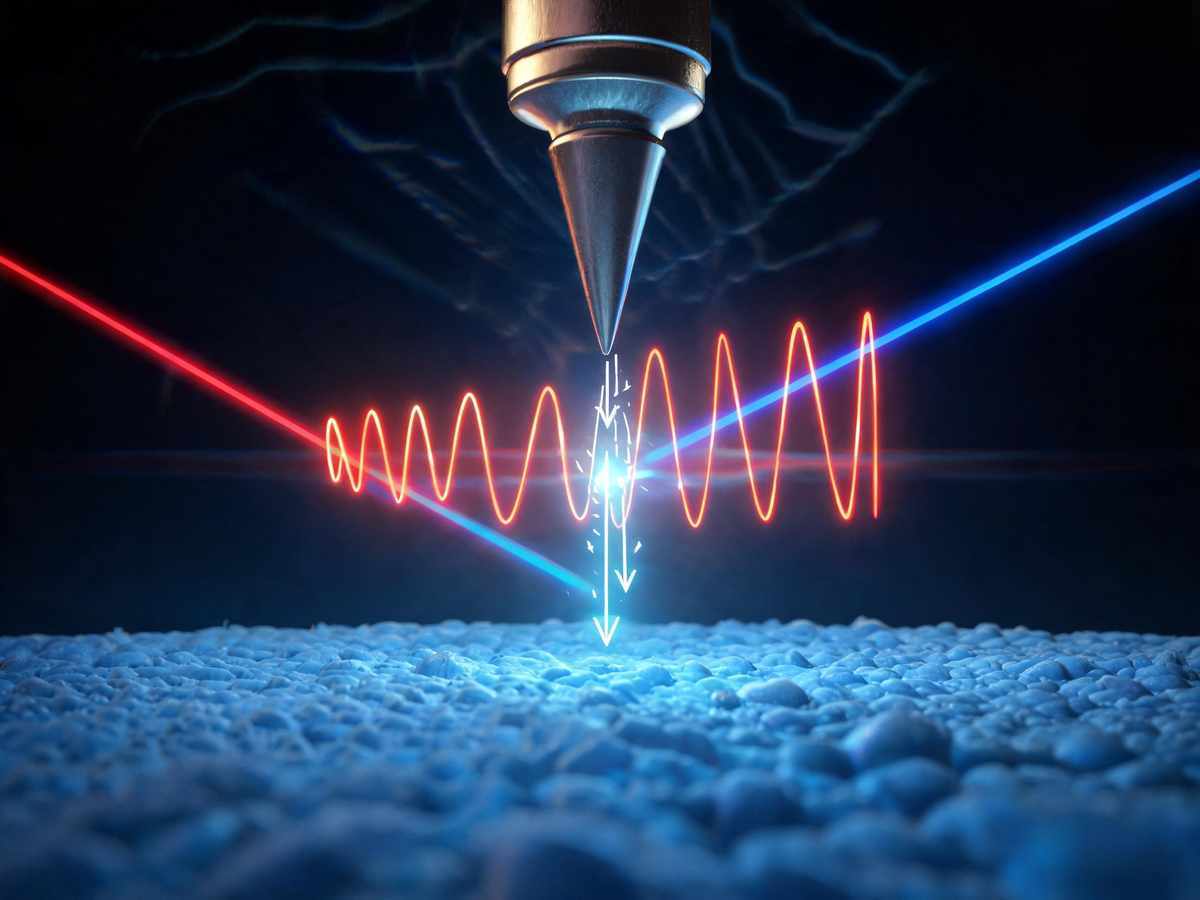
When Electrons Learn to Dance: Steering Attosecond Currents with Light
Scientists steer attosecond electron currents in a scanning tunneling microscope using two-color laser pulses, achieving directional control and sub-femtosecond timing.
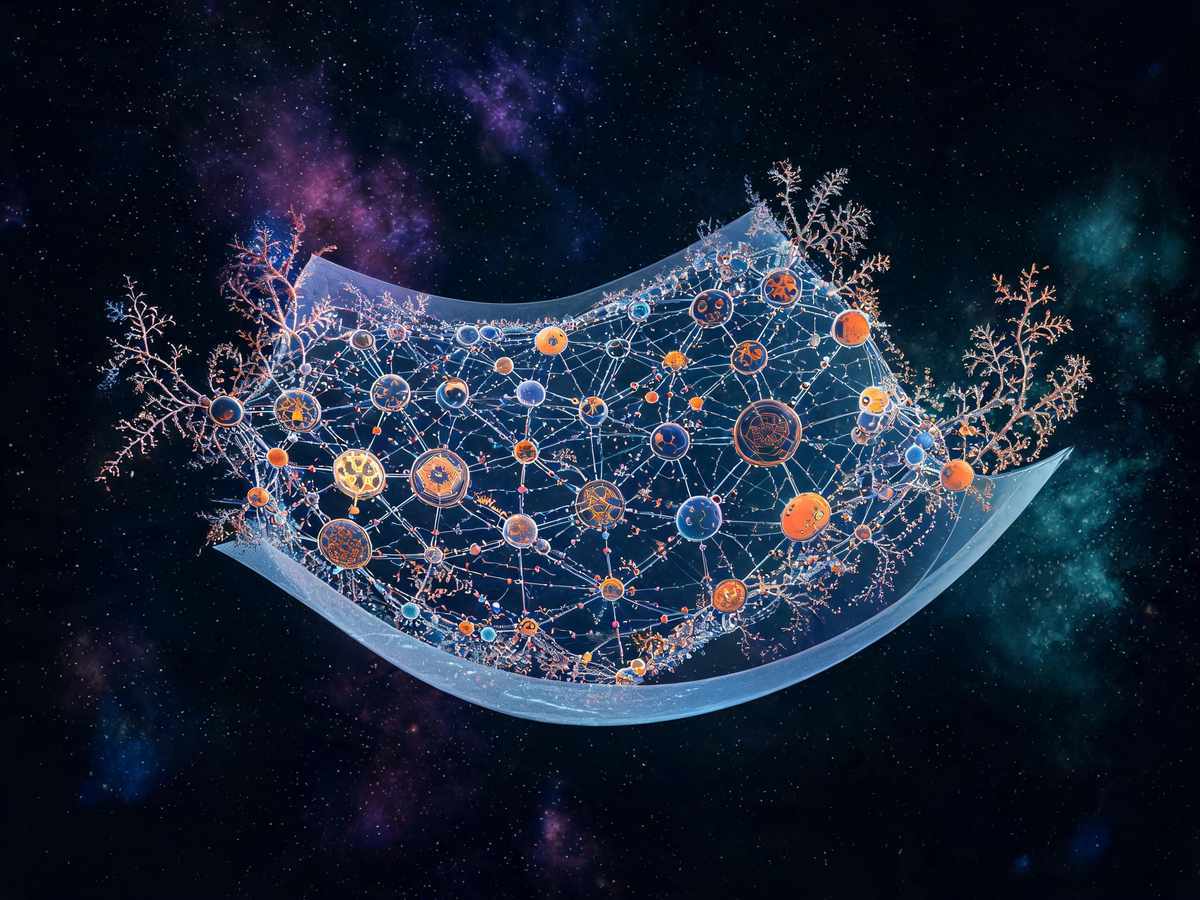
Cells That Remember the Curve: Non-Uniform Automata on Hyperbolic Lattices
A non-uniform cellular automaton on a hyperbolic lattice assigns unique rules to each cell, encoding the curvature and enabling exotic quantum symmetries unseen on flat grids.
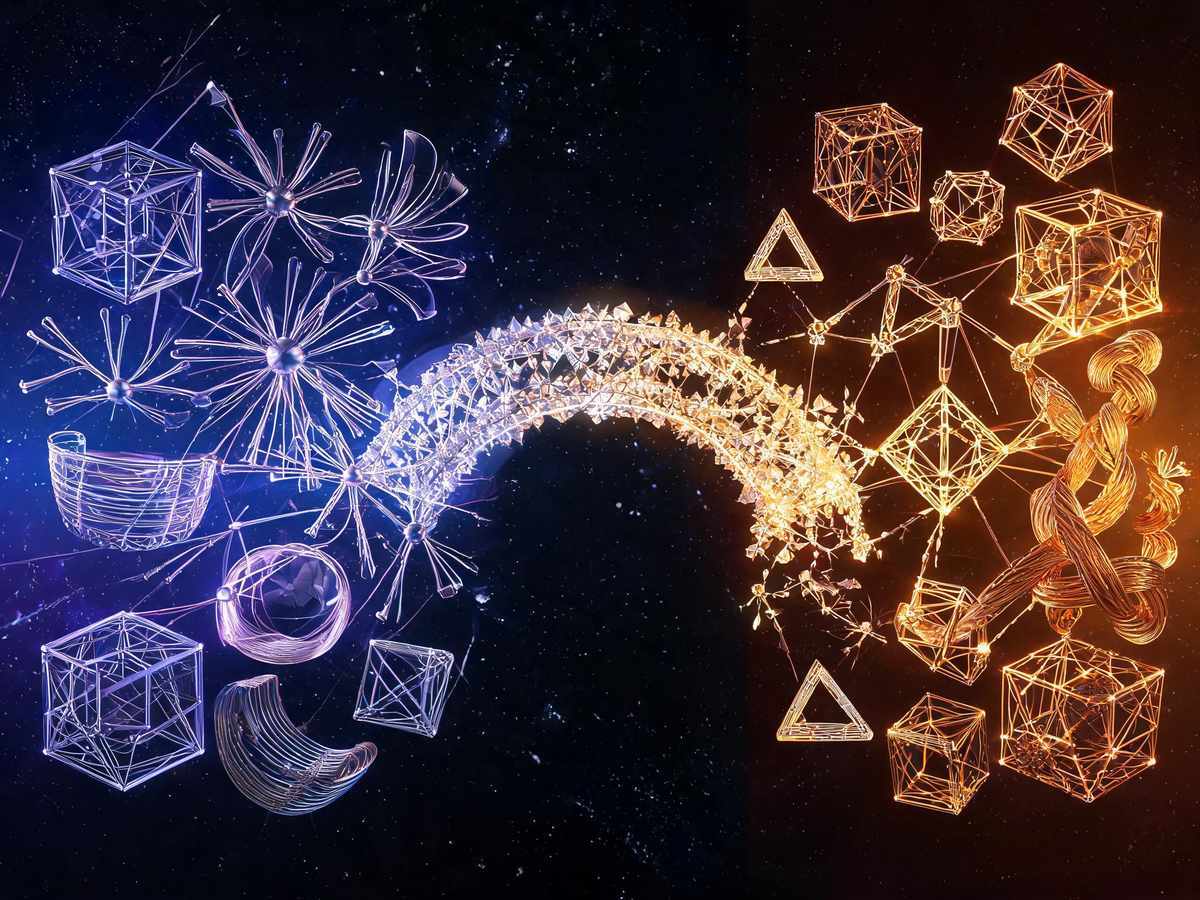
Drawing Algebraic Geometry: A Diagrammatic Language Bridges Polynomials and Quantum Circuits
New diagrammatic languages like GAG let mathematicians and quantum computer scientists draw polynomial equations and quantum circuits as pictures, revealing deep structural connections.
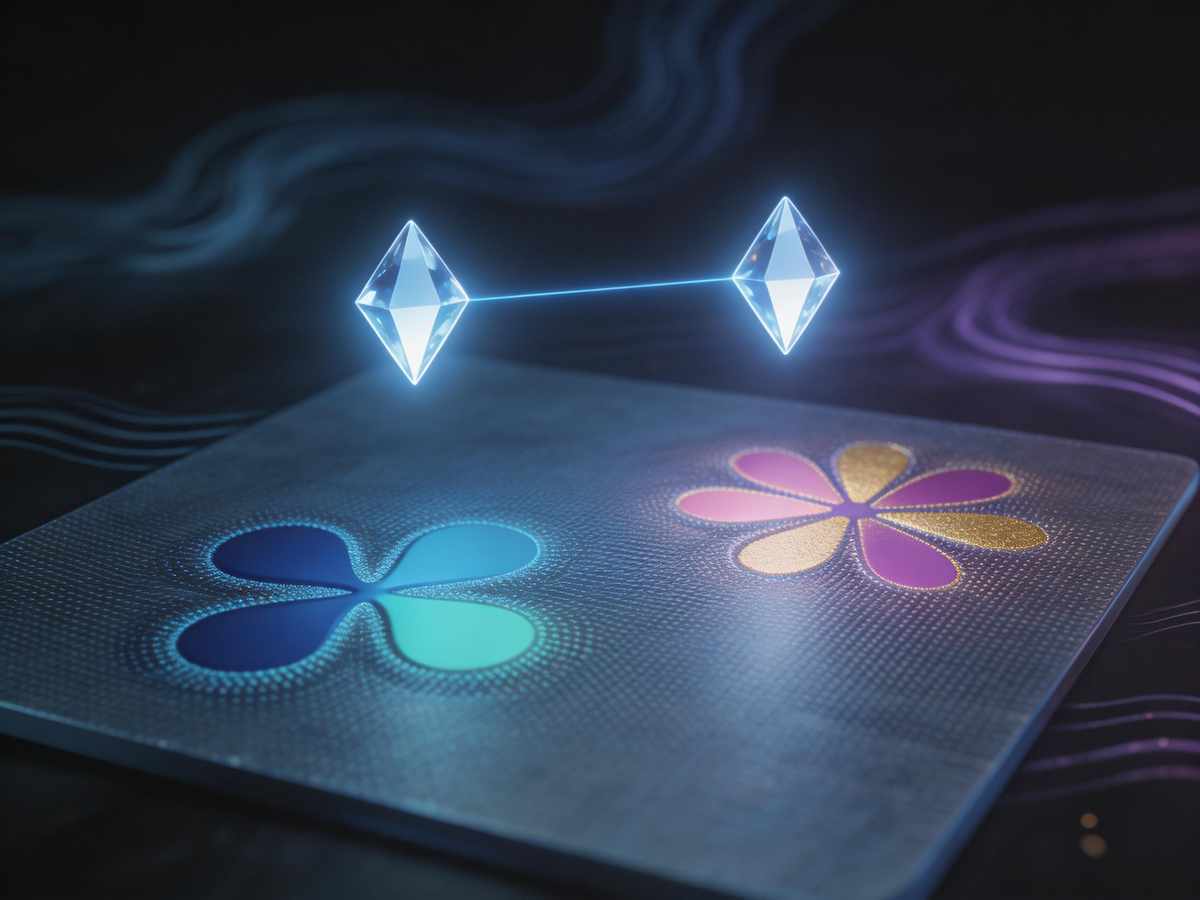
When Two Qubits See What One Cannot
Two spin qubits can reveal the hidden rotational symmetry of quantum materials through their correlated dephasing.
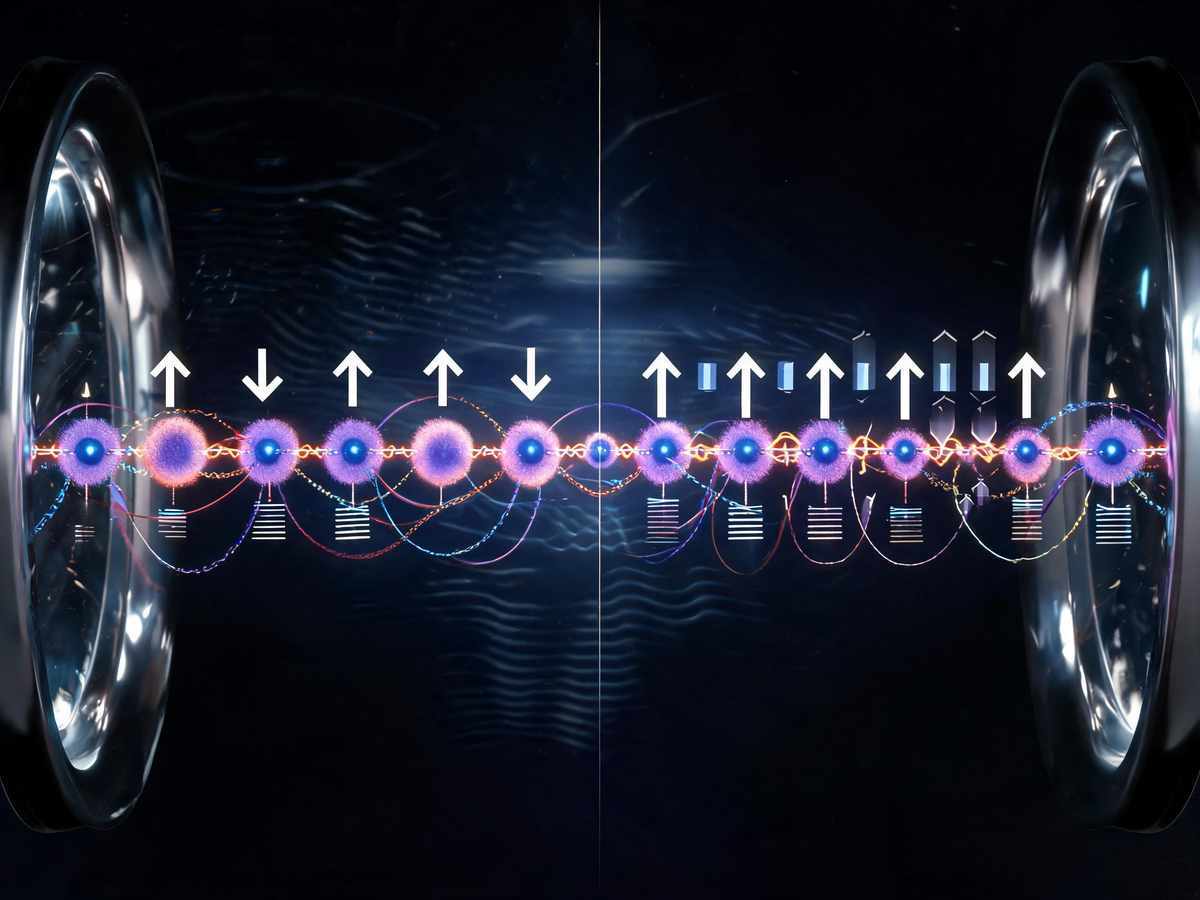
The Quantum Magnets That Forgot How to Forget
A chain of Rydberg atoms inside an optical cavity exhibits both blockaded ferromagnetism and persistent quantum many-body scars that resist thermalization.
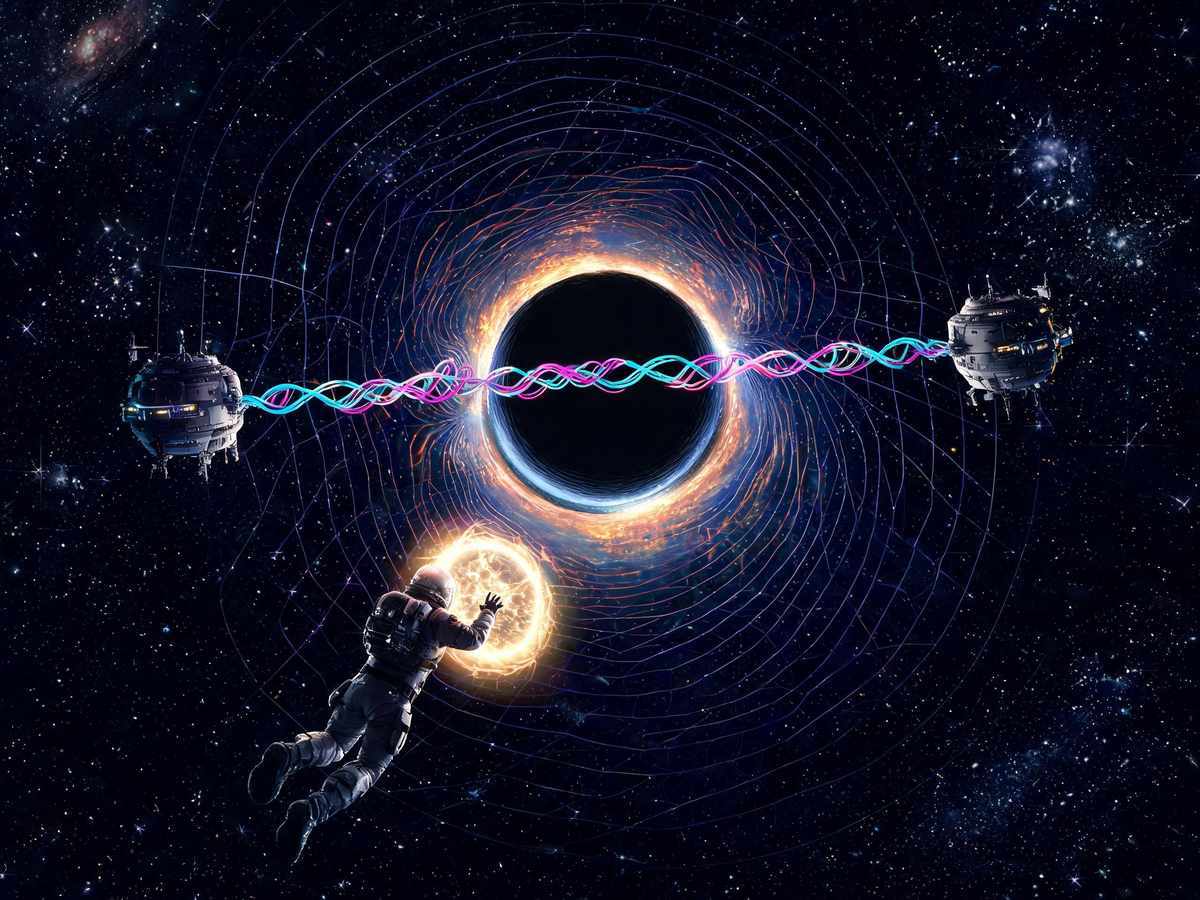
When Black Holes Jam Quantum Correlations
Black holes can jam quantum correlations without violating causality, using the event horizon as a natural jamming filter.