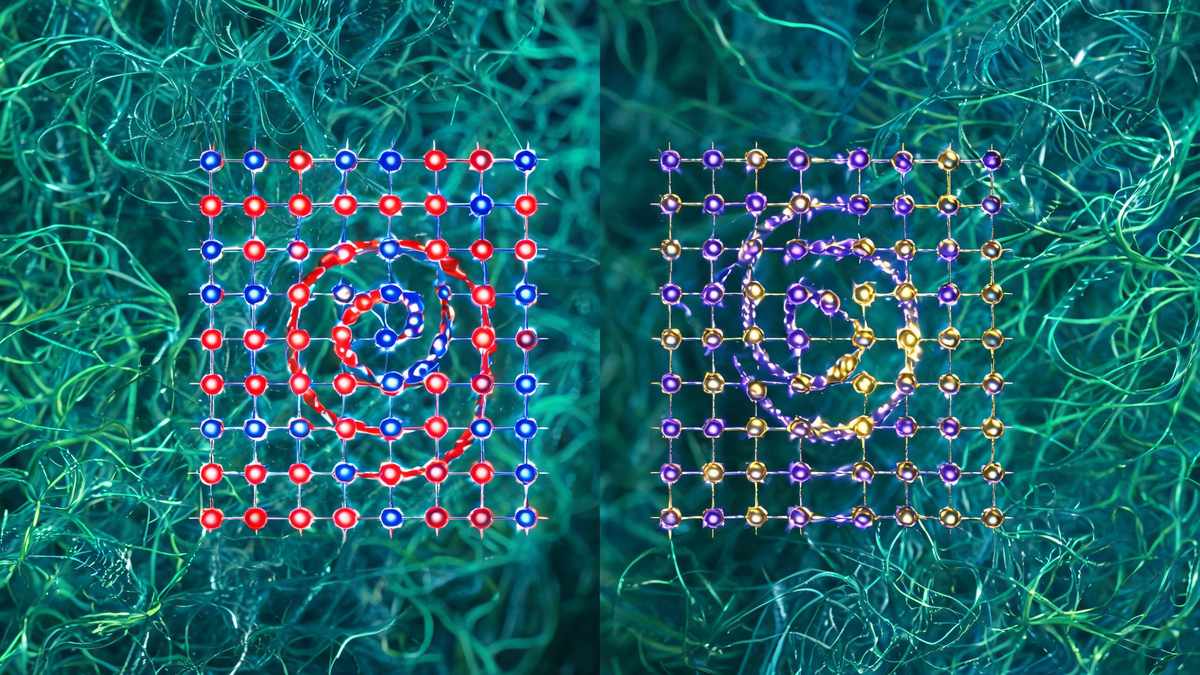
Twin Phases: A Phase Transition That Breaks No Symmetry
Twin phases are distinct quantum states that transform into each other without breaking any symmetry, only rearranging internal symmetry labels.
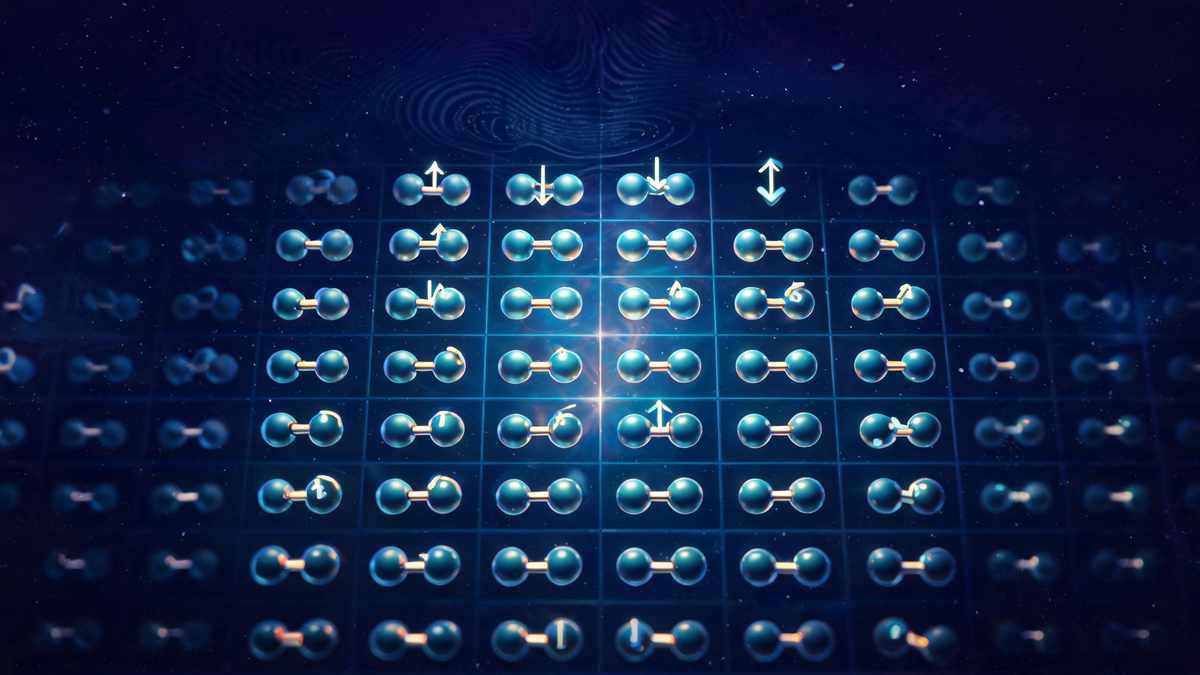
When Molecules Learn to Squeeze Their Spins
For the first time, researchers have squeezed molecular spins using polar calcium monofluoride in optical tweezers, enabling quantum correlations that surpass classical measurement limits.
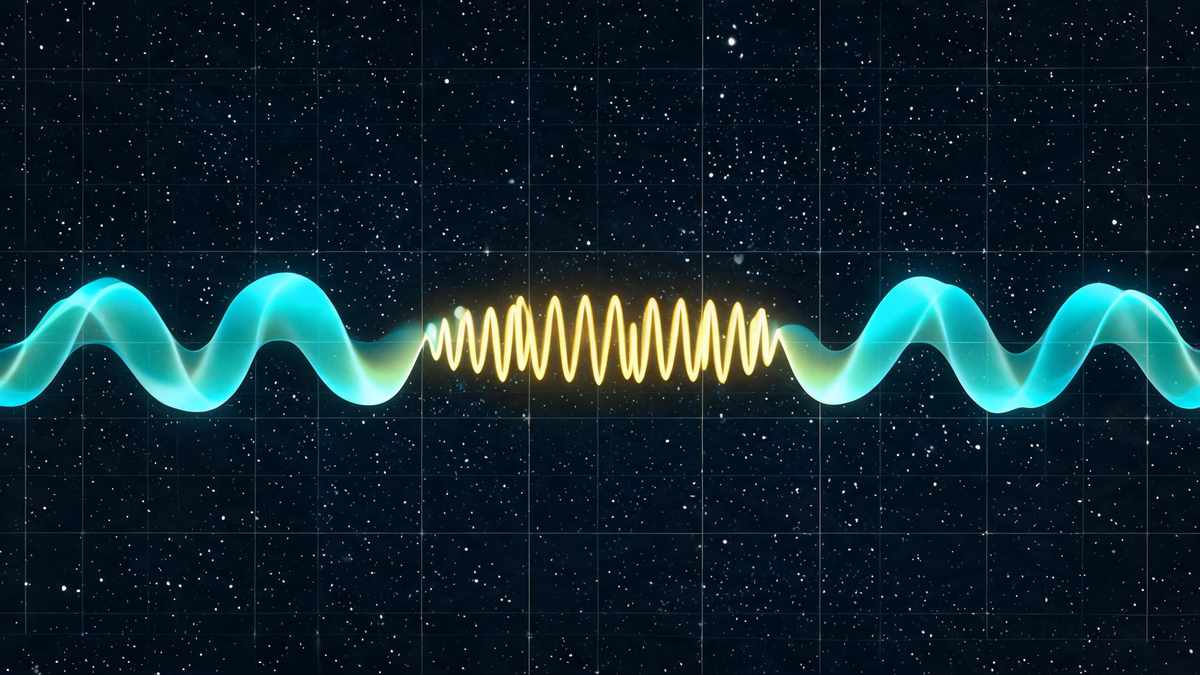
Coherent Chemistry: Doubling the Phase of Matter Waves
When ultracold cesium atoms merge into molecules, the molecular matter wave maintains a precise phase twice that of the atoms, revealing coherent wave-based chemistry.
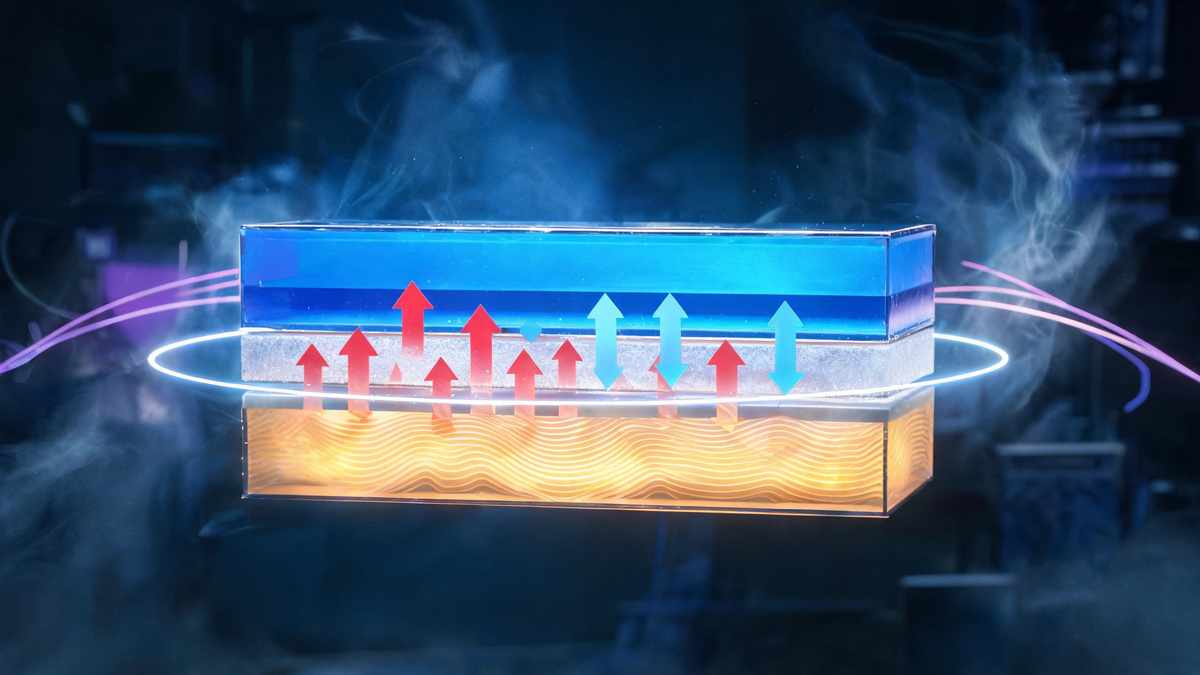
Cools Both Ways: A Quantum Junction at Carnot’s Edge
A superconductor-insulator-2DEG tunnel junction acts as a Carnot-edge heat engine and bidirectional refrigerator, routing heat on demand with near-unity efficiency.
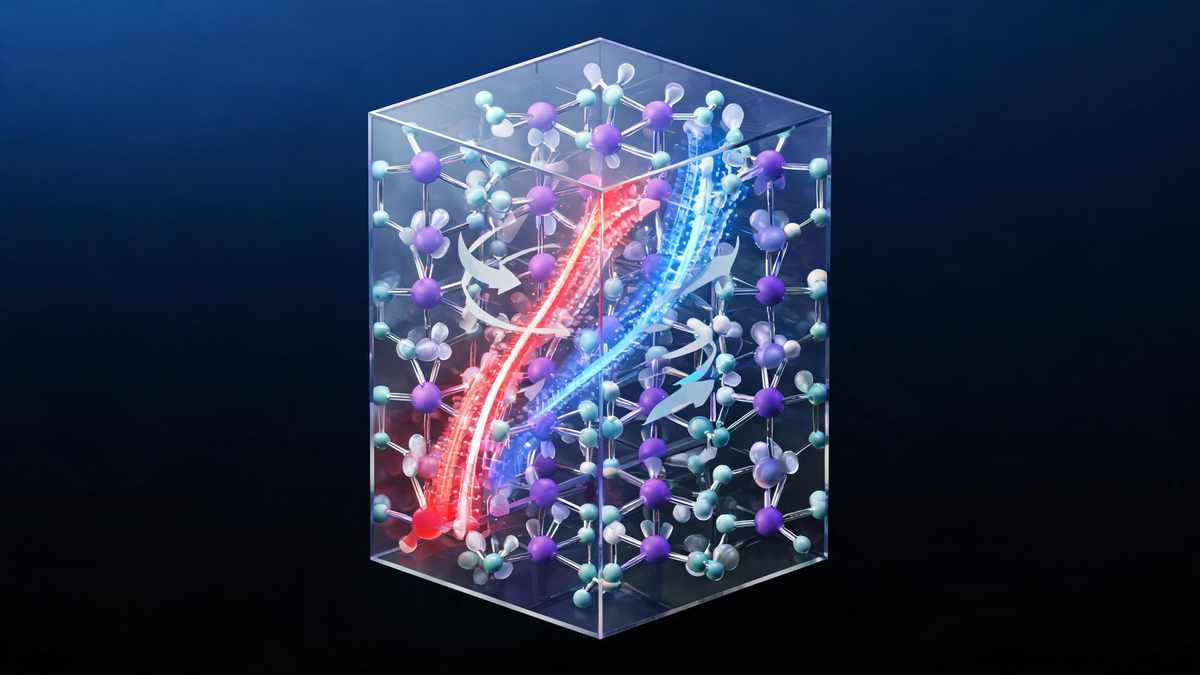
Hunting for the Magnet That Splits Nothing
In the altermagnet RbMn₂Te₂O, spin-up and spin-down electrons are split by nearly two electronvolts, while the crystal itself casts no stray magnetic field.
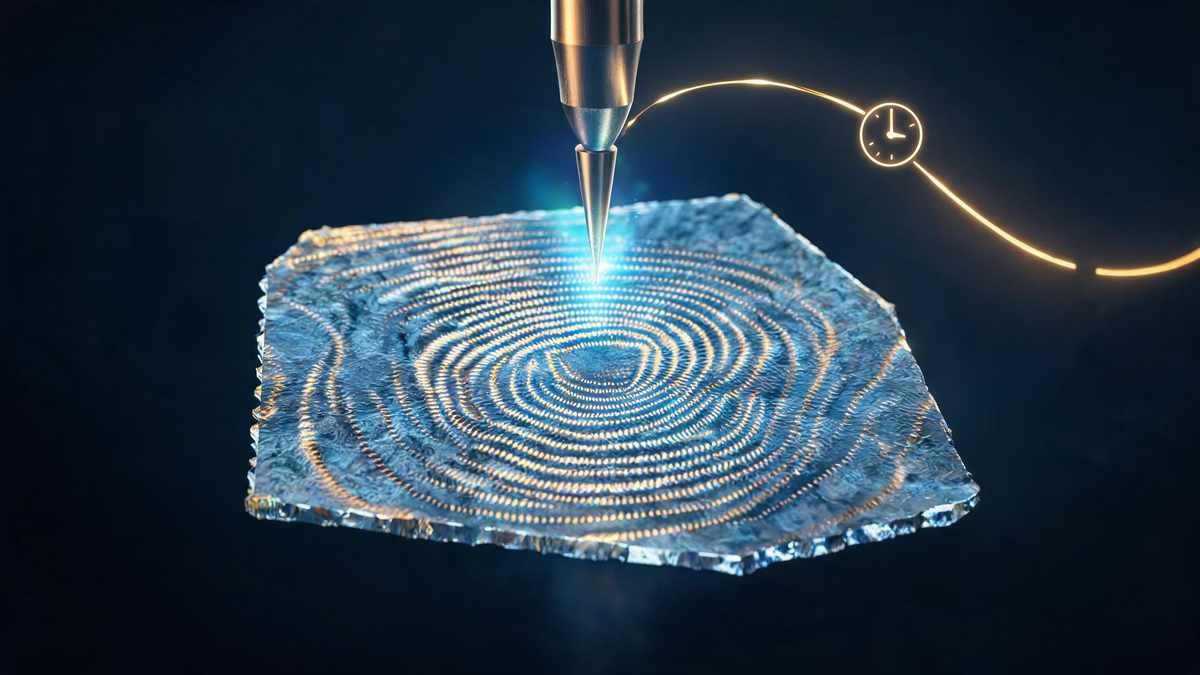
Seeing Wave and Particle Together: A Quantum Microscope’s First Image
A quantum-light microscope images a single polariton’s self-interference fringes in MoS₂, directly visualizing wave-particle duality at the nanoscale for the first time.
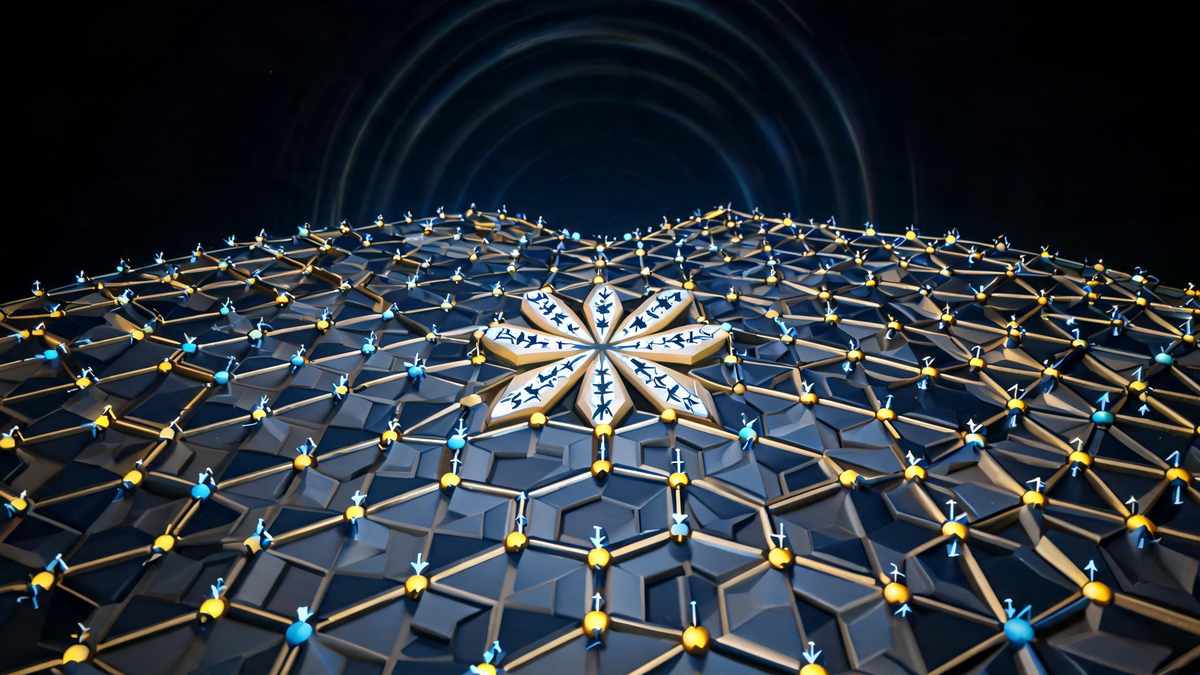
The Magnetism That Learns to Dance on Forbidden Tiles
A quasicrystal's never-repeating tiling hosts altermagnetic spin order with exotic eightfold symmetry, merging magnetic and geometric impossibilities.

A Neural Network Stumbles Into Topological Order
An attention-based neural network spontaneously discovers topological order in a fractional Chern insulator, revealing nearly degenerate ground states and fractional quasiparticles without prior knowledge.
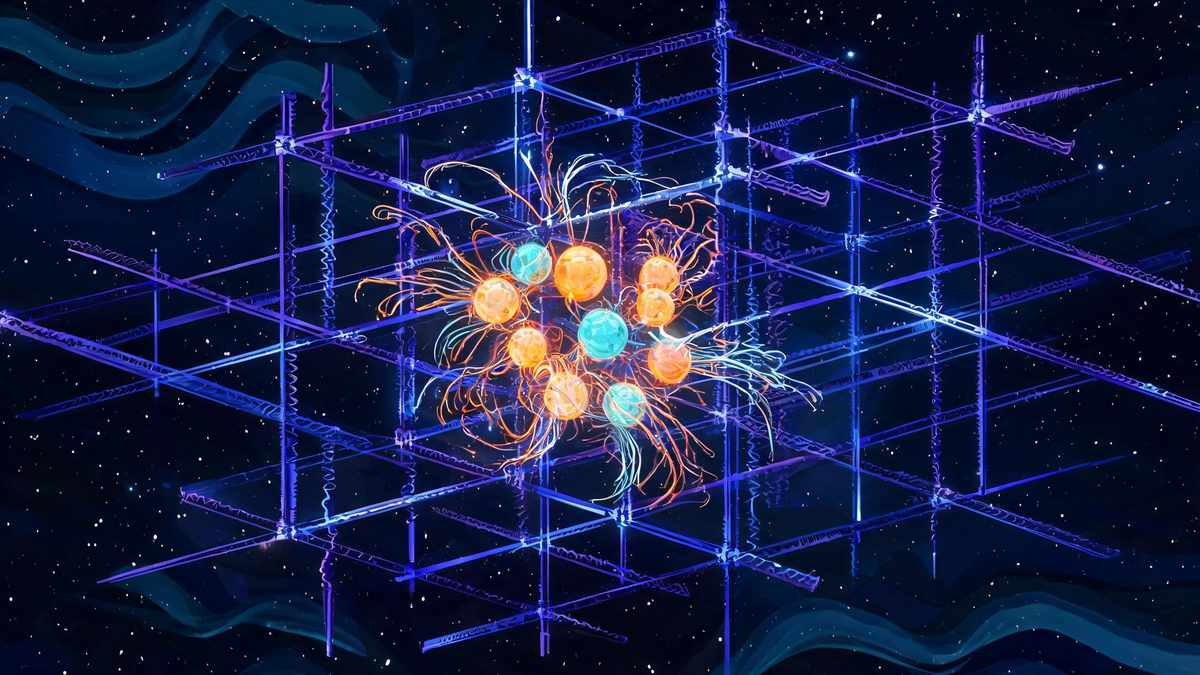
Unshackling Weyl Points: How Periodic Driving Breaks Nature’s Pairing Rule
Periodic driving of an optical Raman lattice creates unpaired Weyl points, enabling a tunable chiral magnetic effect in ultracold atoms.

When Photons Learn to Tell a Quantum Story
Photon correlation microscopy reveals many-body exciton interactions by measuring whether emitted photons bunch together or arrive in orderly single-file streams.
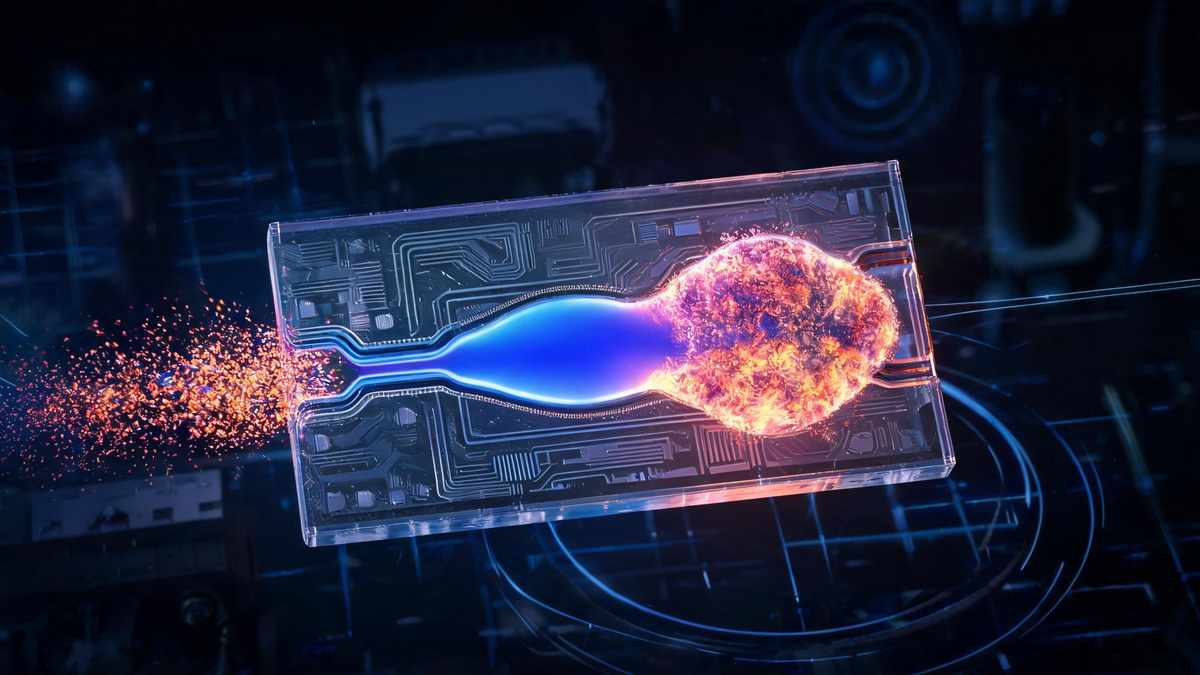
Squeezing Light's Quantum Hush to a Record 18 dB
A lithium niobate waveguide reshapes the quantum vacuum, outputting one perfectly still quadrature while its partner roils with redistributed uncertainty.
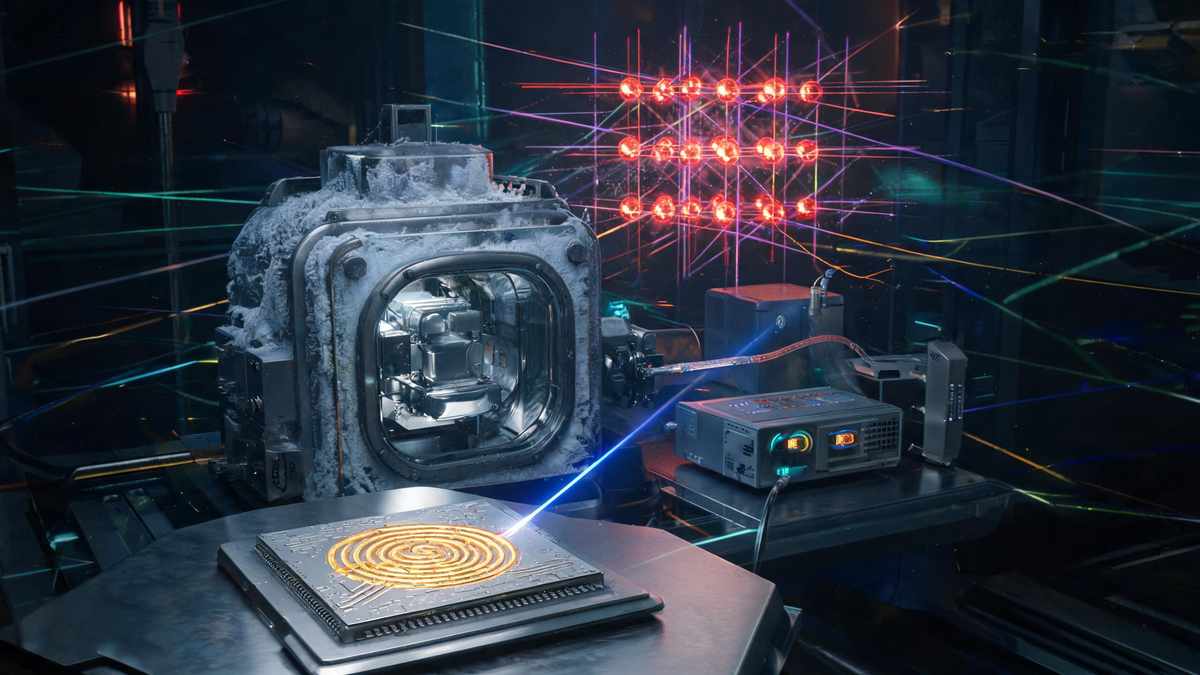
The Laser That Learned to Listen to Its Own Silence
A hybrid laser combines a cryogenic cavity’s deep silence with a chip-scale Brillouin filter, achieving record-low noise for next-generation atomic clocks.
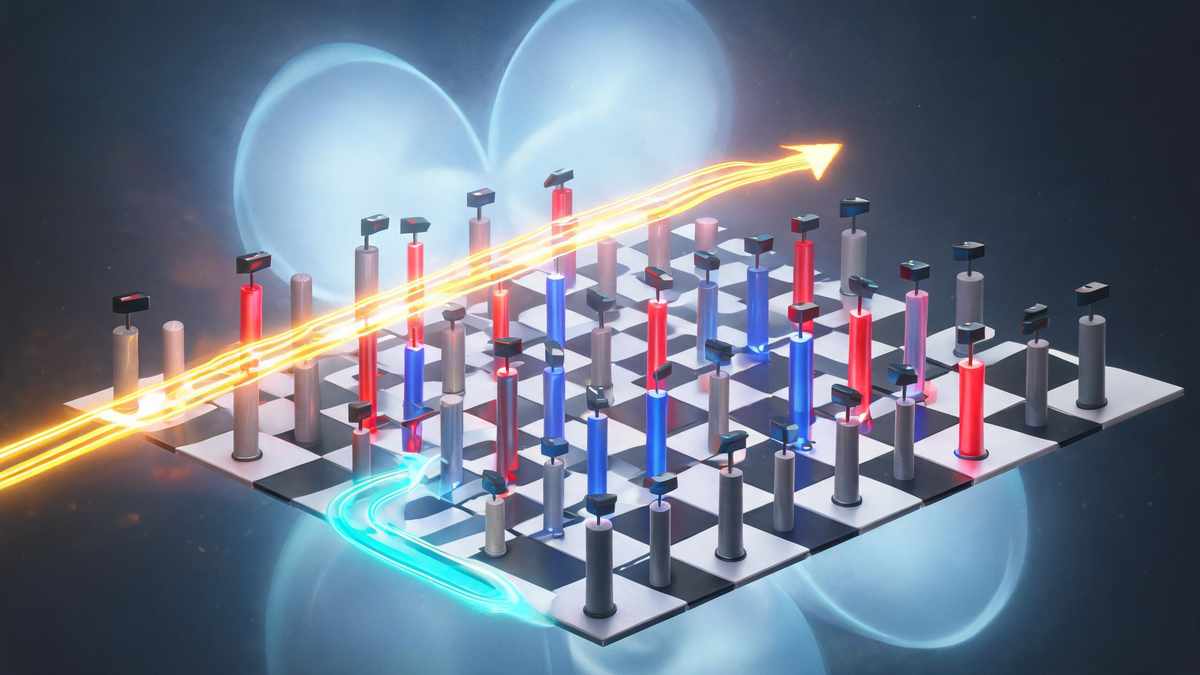
The Magnetic Phase That Light Wasn’t Supposed to Feel
Circularly polarized microwaves separate by handedness as they propagate through a photonic crystal engineered to exhibit altermagnetic spin splitting without net magnetization.
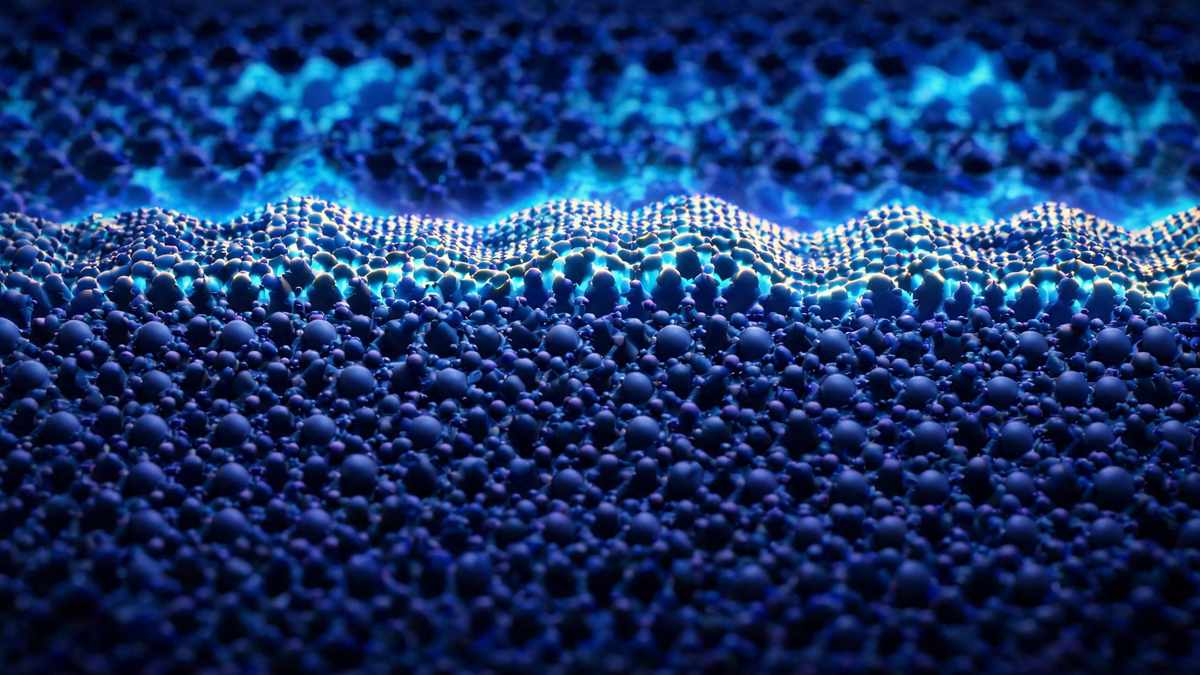
When an Insulator Learns to Modulate
A charge density wave emerges in a band insulator at cryogenic temperatures, challenging textbook models of quantum order in condensed matter.
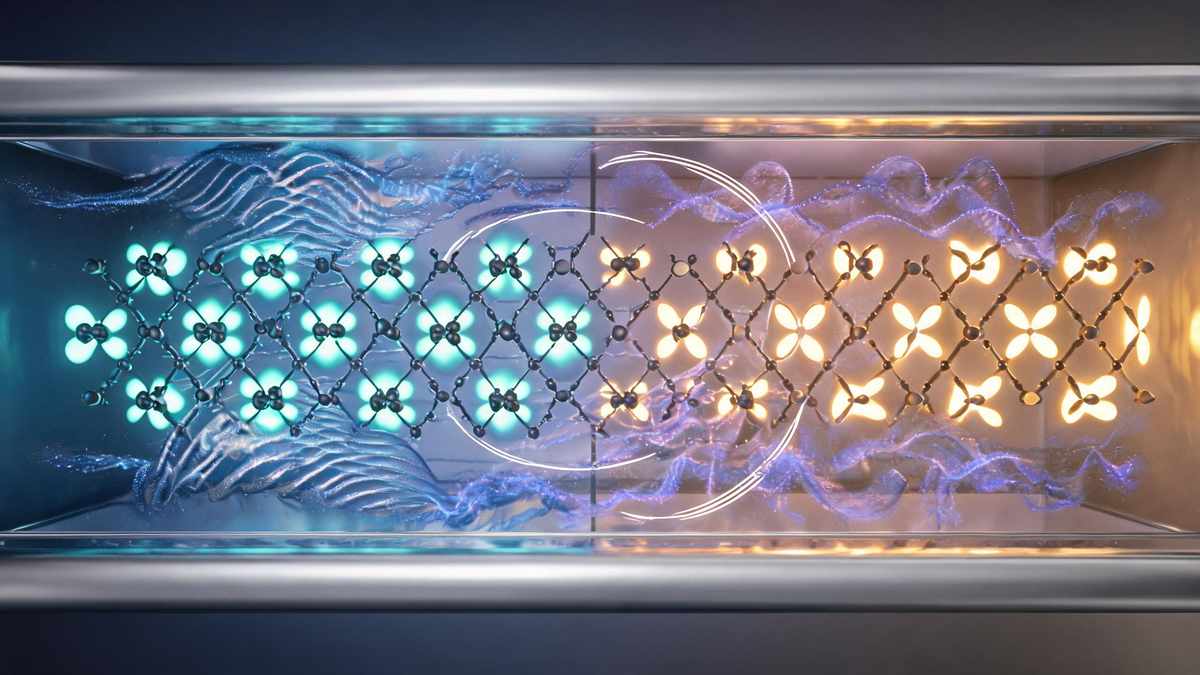
Vacuum Fluctuations Sculpt a Triplet Superconductor
Vacuum fluctuations polarized diagonally inside an optical cavity reshape the Fermi surface of an organic superconductor, suppressing d-wave singlet pairing and enabling a switch to p-wave triplet superconductivity.
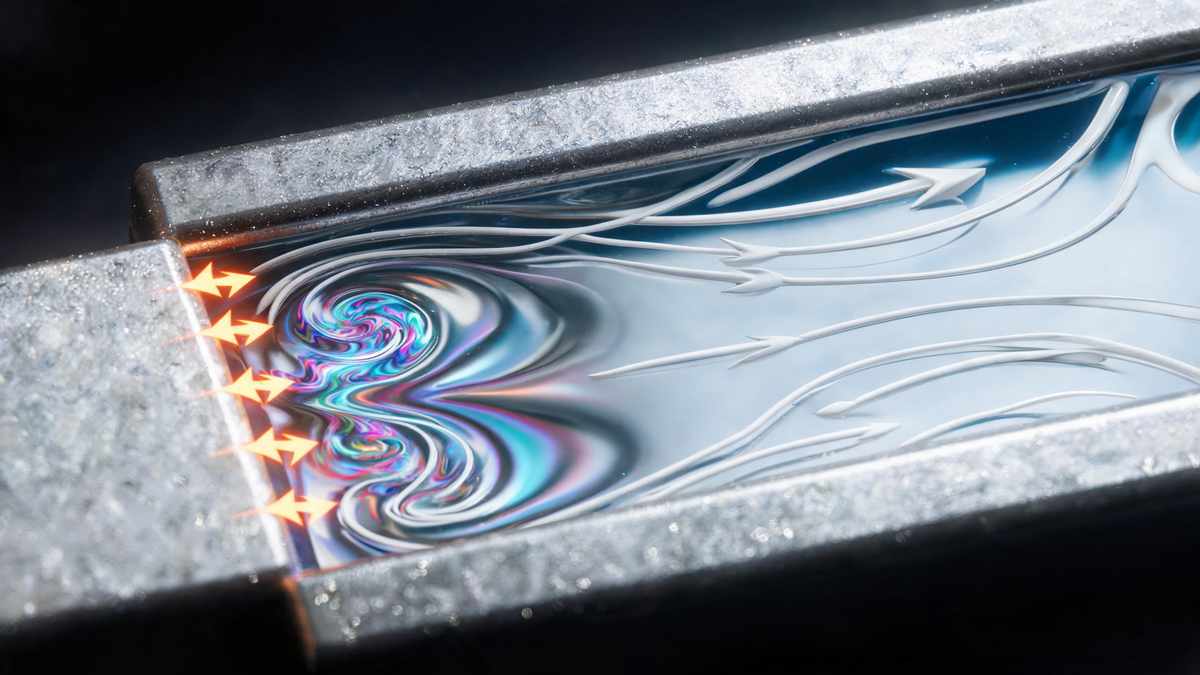
Turning Spin into Flow
Spin injection into liquid gallium via platinum contacts creates a microfluidic flow through the Einstein–de Haas torque, enabling a contactless pump with no moving parts.
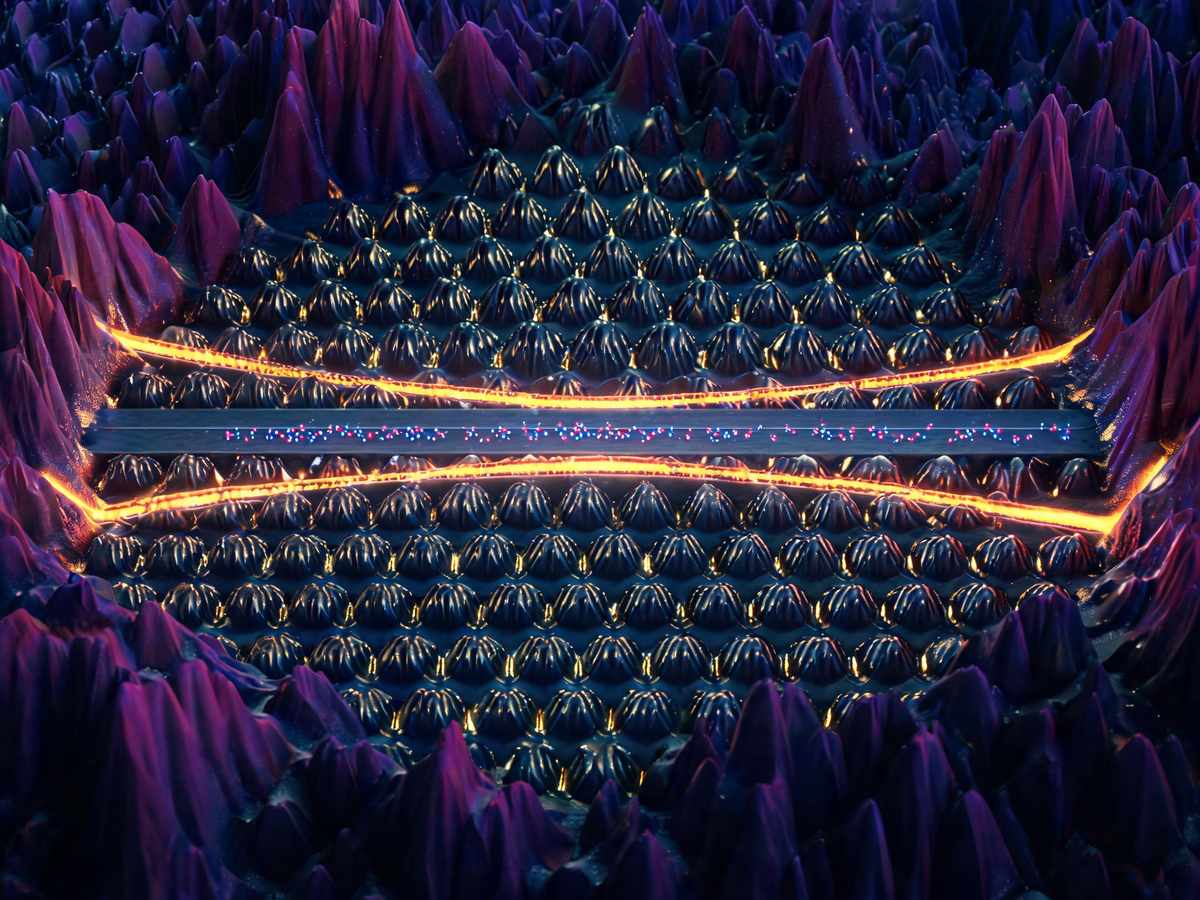
How Excitons Learn to Dance in Unison: Valley Splitting Enables True Bose Condensation
A periodic electrostatic potential lifts valley degeneracy and linearizes exciton dispersion, enabling true Bose-Einstein condensation in two dimensions.
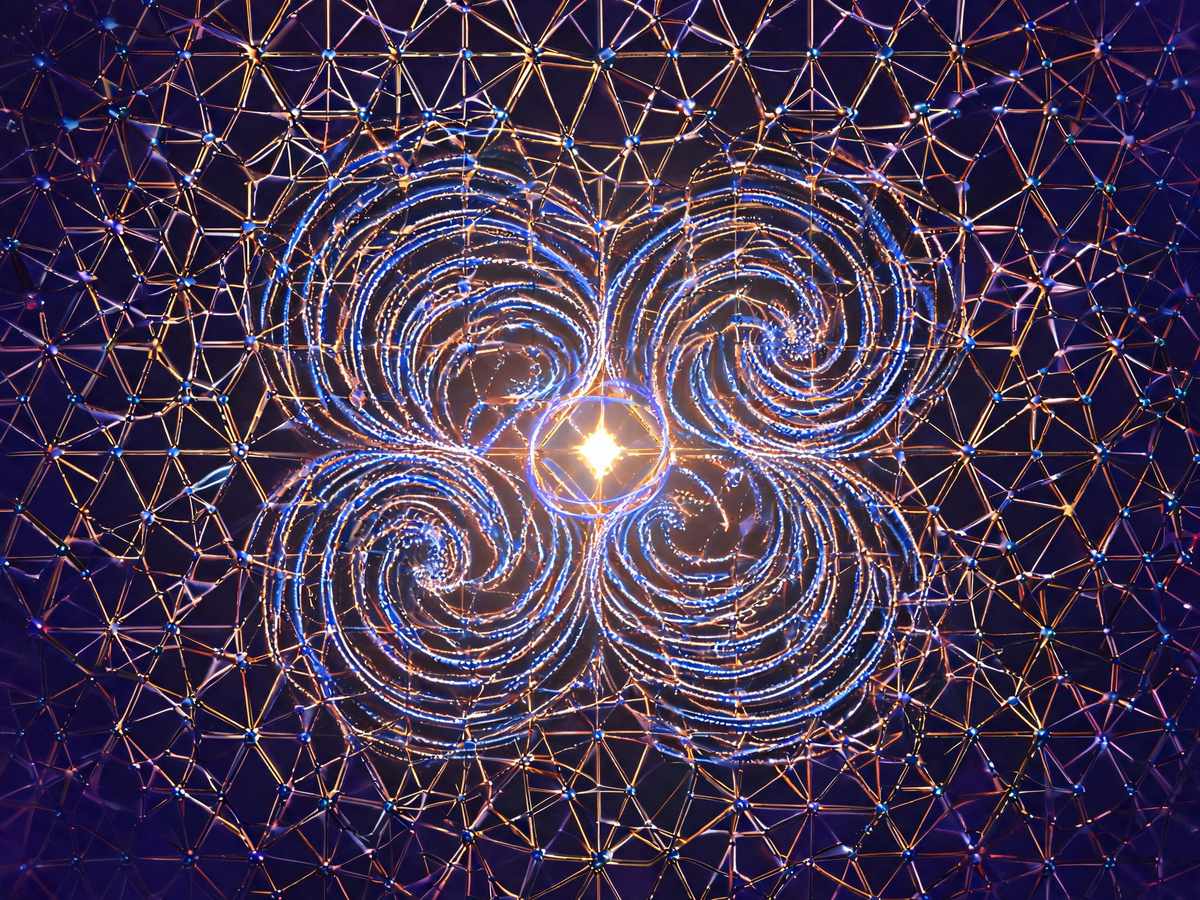
A Single Impurity Teaches Kagome Electrons to Dance
A single impurity in a kagome superconductor breaks mirror symmetry, triggering chiral quasiparticle interference that spirals clockwise or anticlockwise.
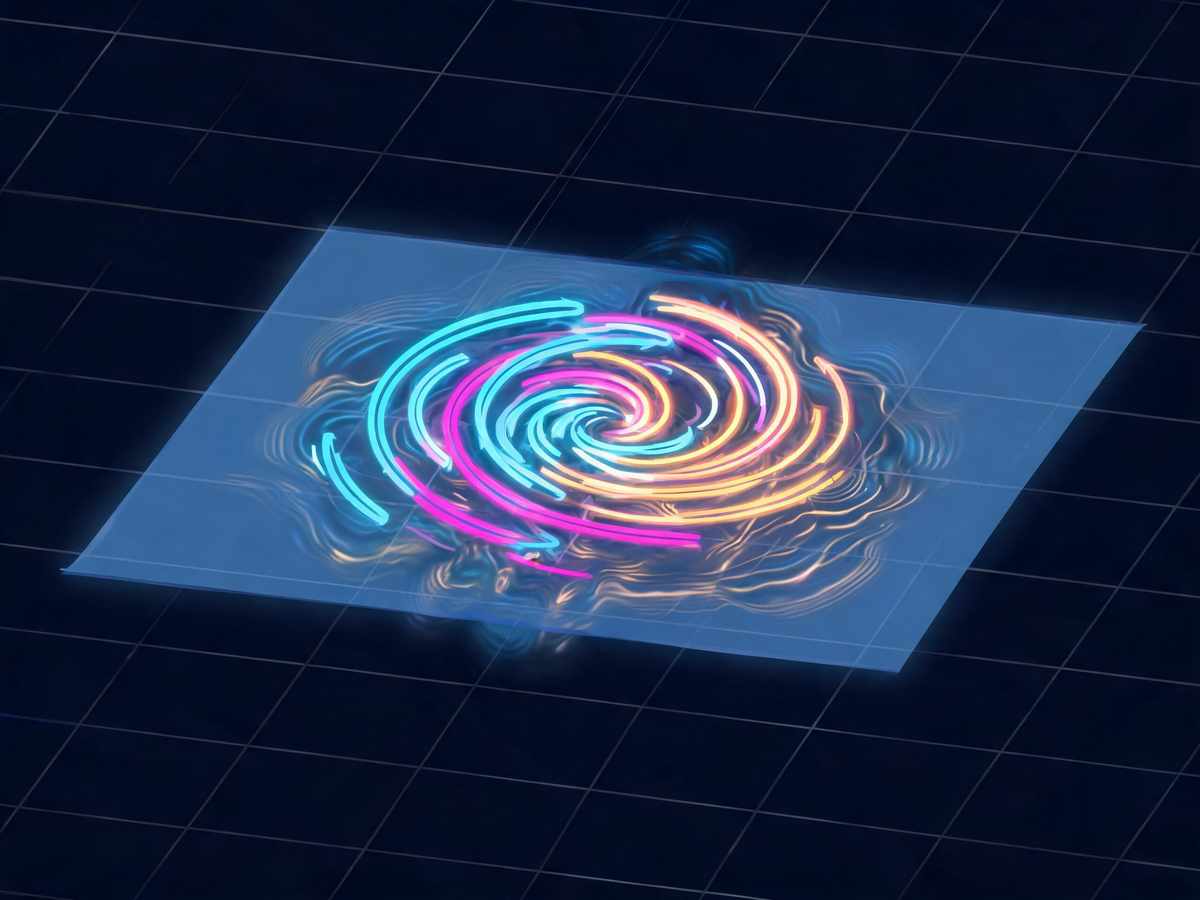
The Hidden Geometry That Whispers "Order Here"
Geometric nesting of Bloch vectors in a flat band predicts ordered phases without a Fermi surface.
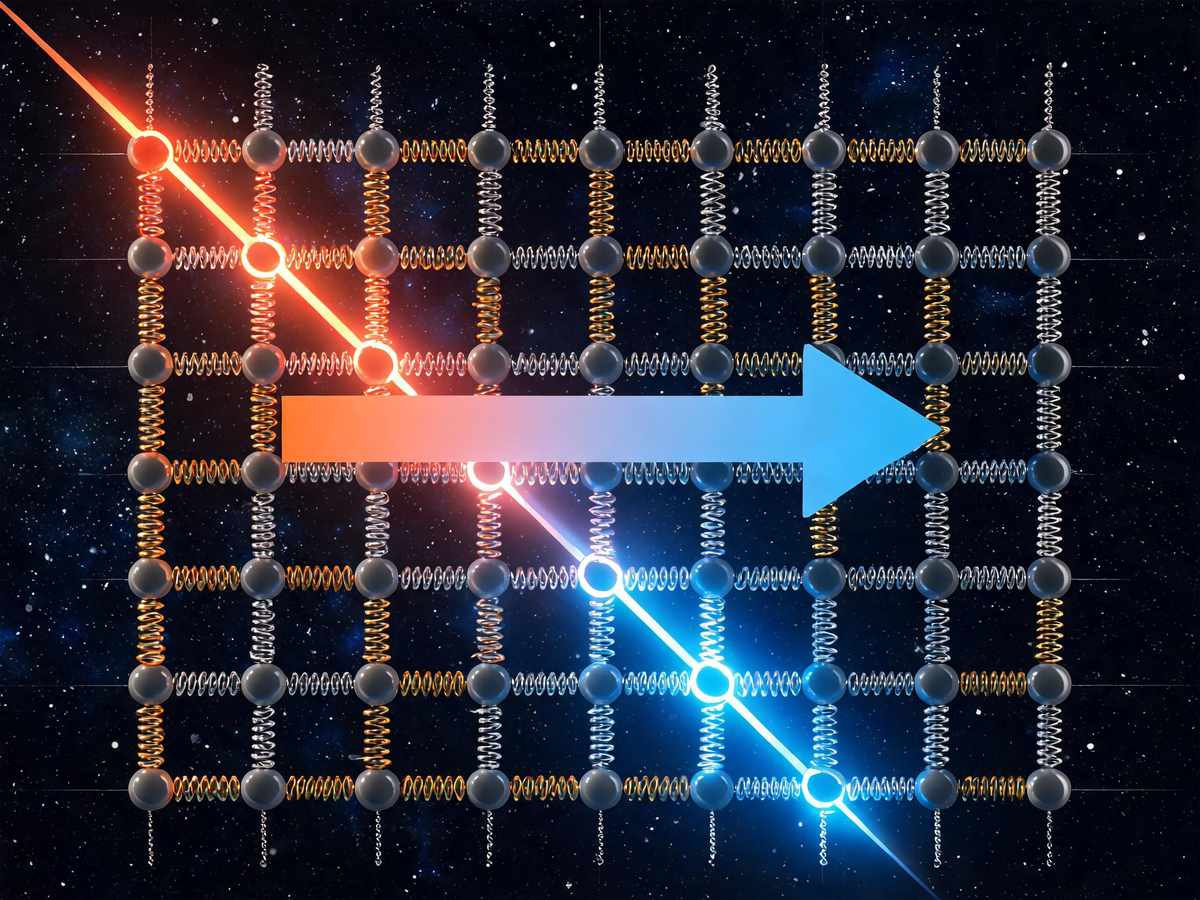
When a Quantum Boundary Knows Where It's Been
The universal constant gamma in entanglement entropy flows monotonically downward across a quantum boundary, revealing a hidden thermodynamic arrow in (2+1)-dimensional critical theories.
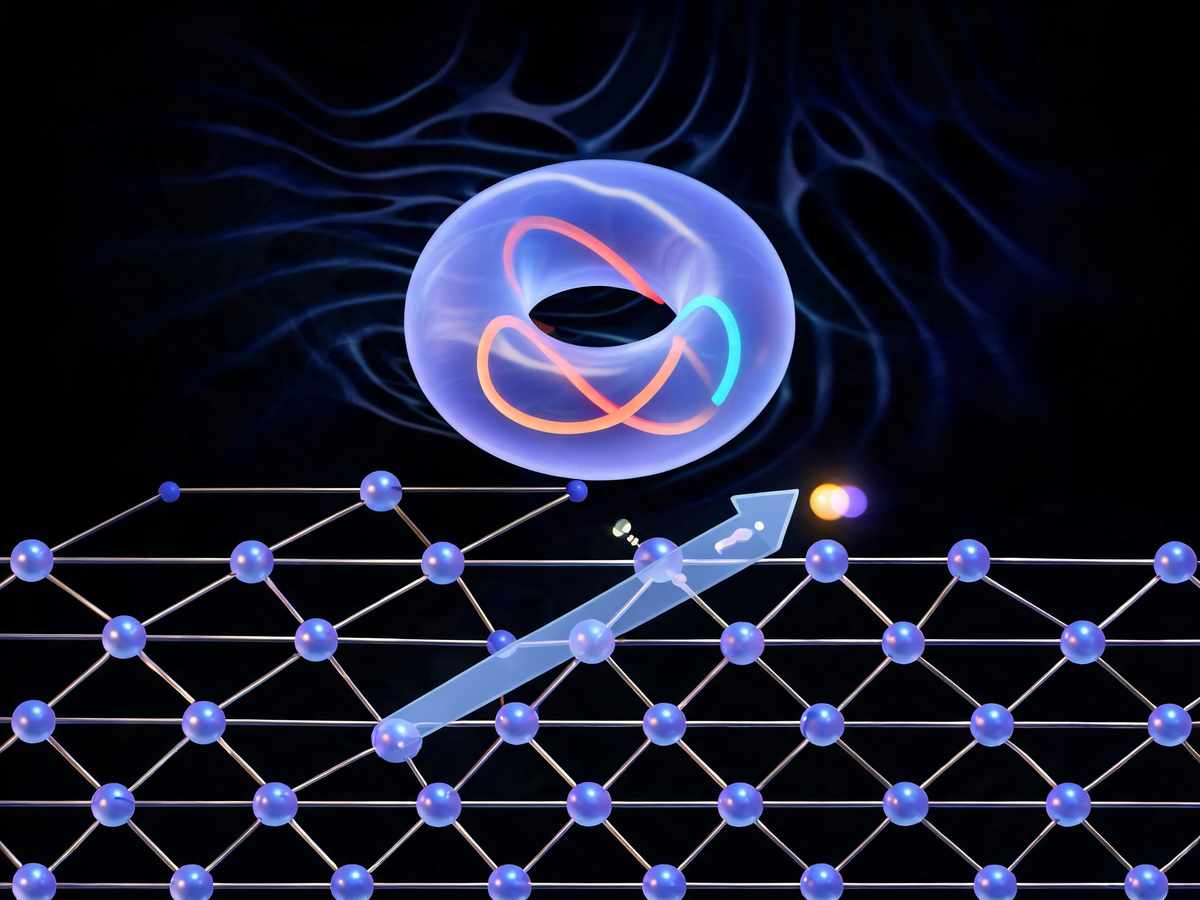
Symmetry's Unyielding Demand for Fermi Surfaces
A symmetry group combining particle-number conservation and Majorana translation forces a Fermi surface in any lattice fermion model.
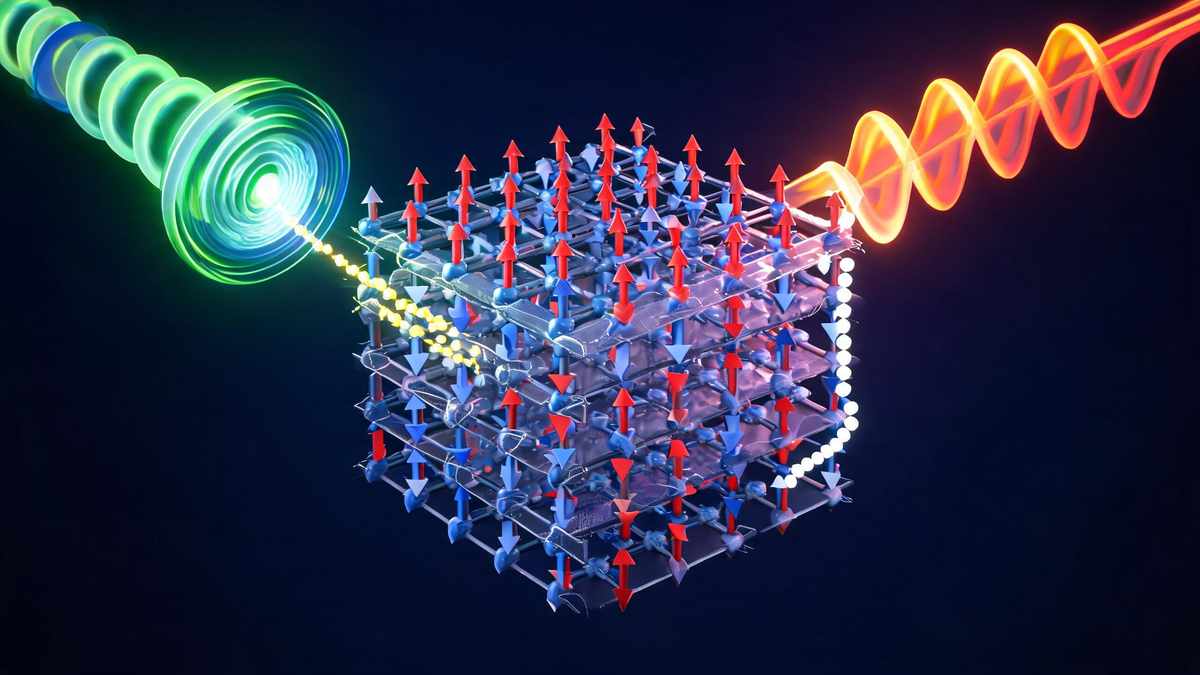
Flipping the Script: Magnetic Crystals Redefine Photocurrents
In an antiferromagnetic crystal, circularly polarized light generates a shift current while linear polarization drives an injection current, reversing conventional optoelectronic rules.
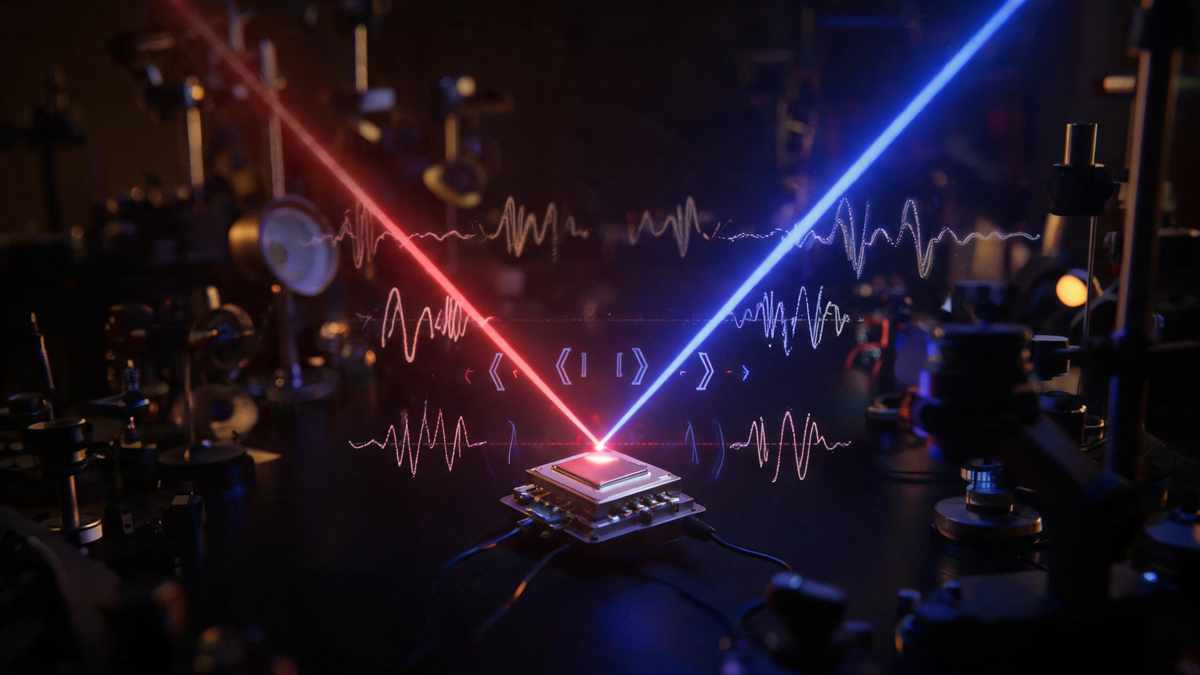
Ghost Imaging Learns to See in the Mid-Infrared
Mid-infrared temporal ghost imaging is achieved at room temperature by using two-photon absorption in a silicon photodiode as an optoelectronic mixer.
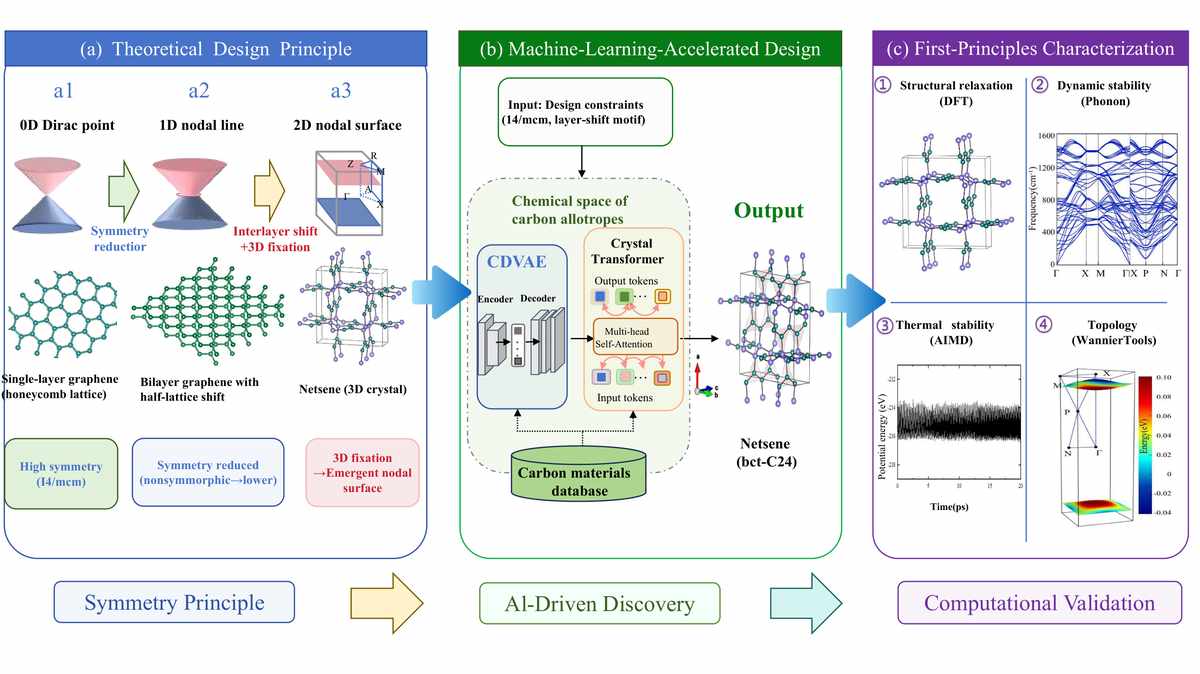
Nesting Carbon: Netsene and the Hidden Nodal-Surface Semimetal
Extending the Dirac physics of two-dimensional (2D) graphene into three dimensions (3D) carbon allotropes with higher-dimensional band degeneracies remains a central challenge in topological materials science. Here, we propose a general symmetry-engineering principl...
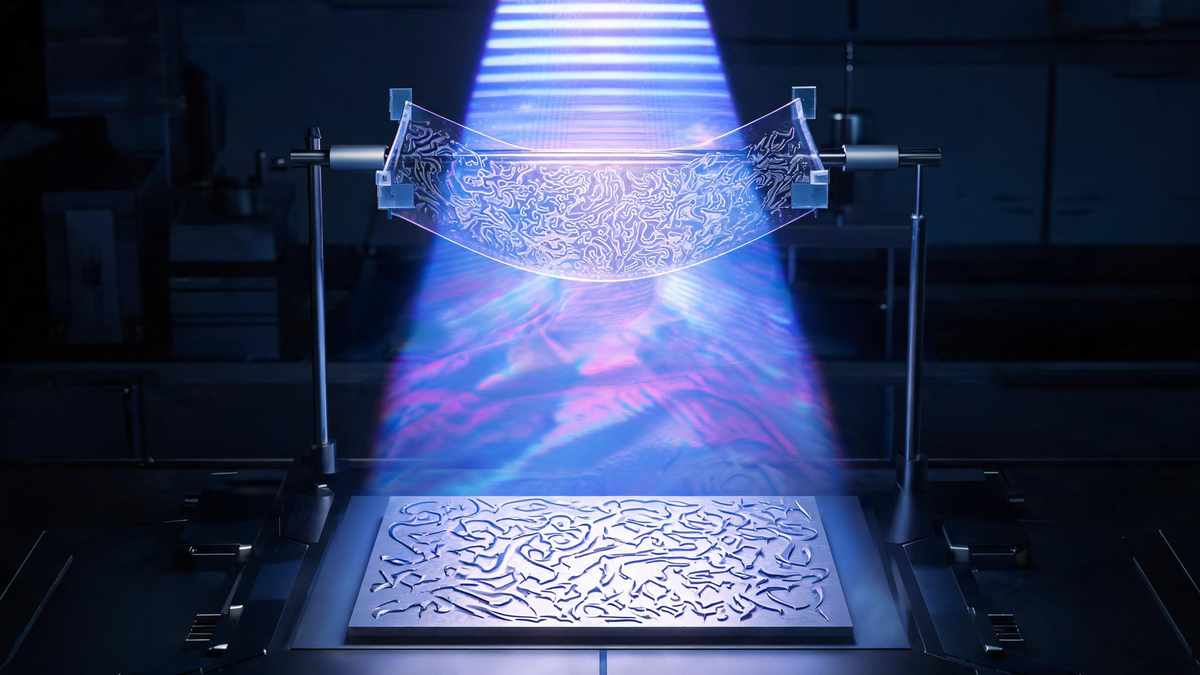
EUV Holography Learns to Print Curved Patterns at 40 nm
A lensless EUV holography system prints arbitrary curvilinear patterns at 40 nm resolution, surpassing the periodic limit of interference lithography.
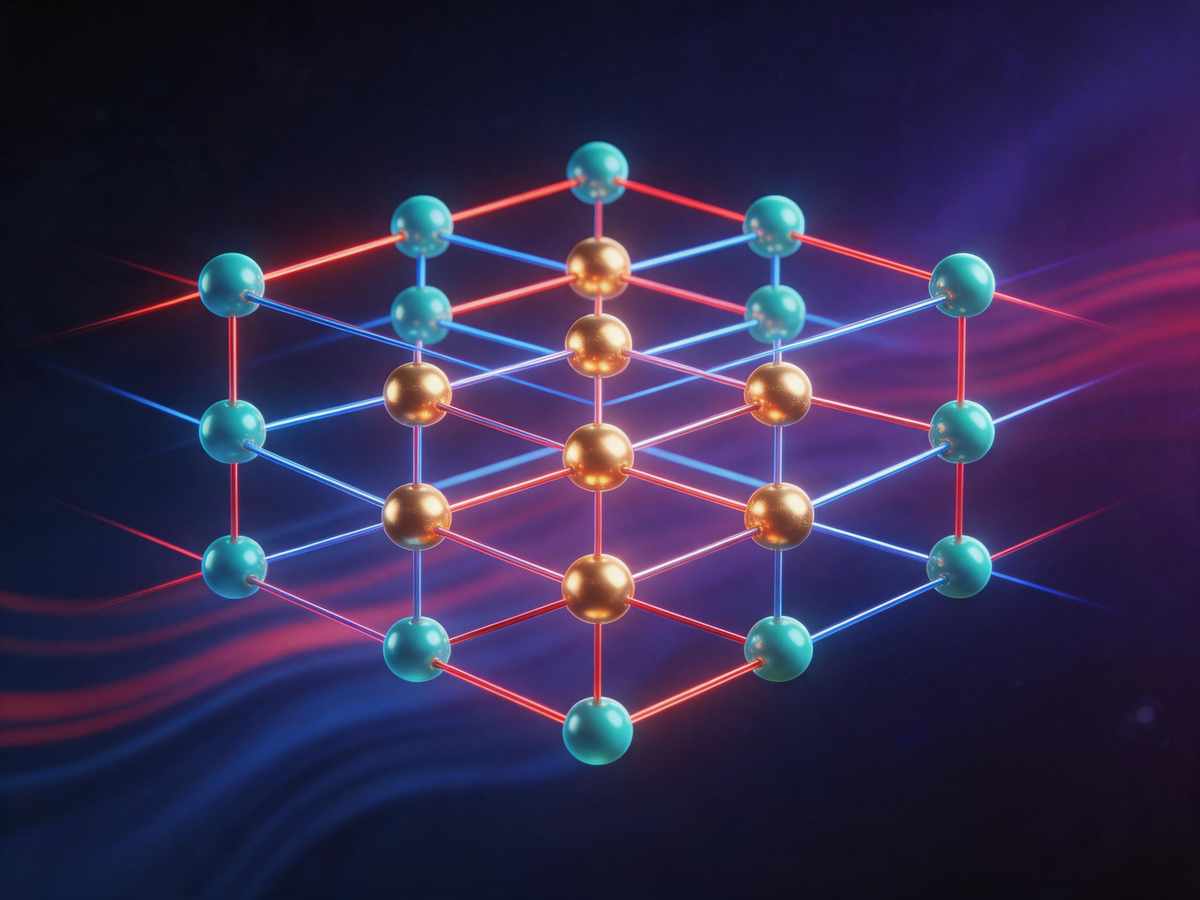
When Copper and Oxygen Dance: Building a Quantum Simulator for High-Temperature Superconductivity
A bichromatic optical superlattice traps ultracold atoms to simulate the copper-oxygen interactions in cuprate high-temperature superconductors.
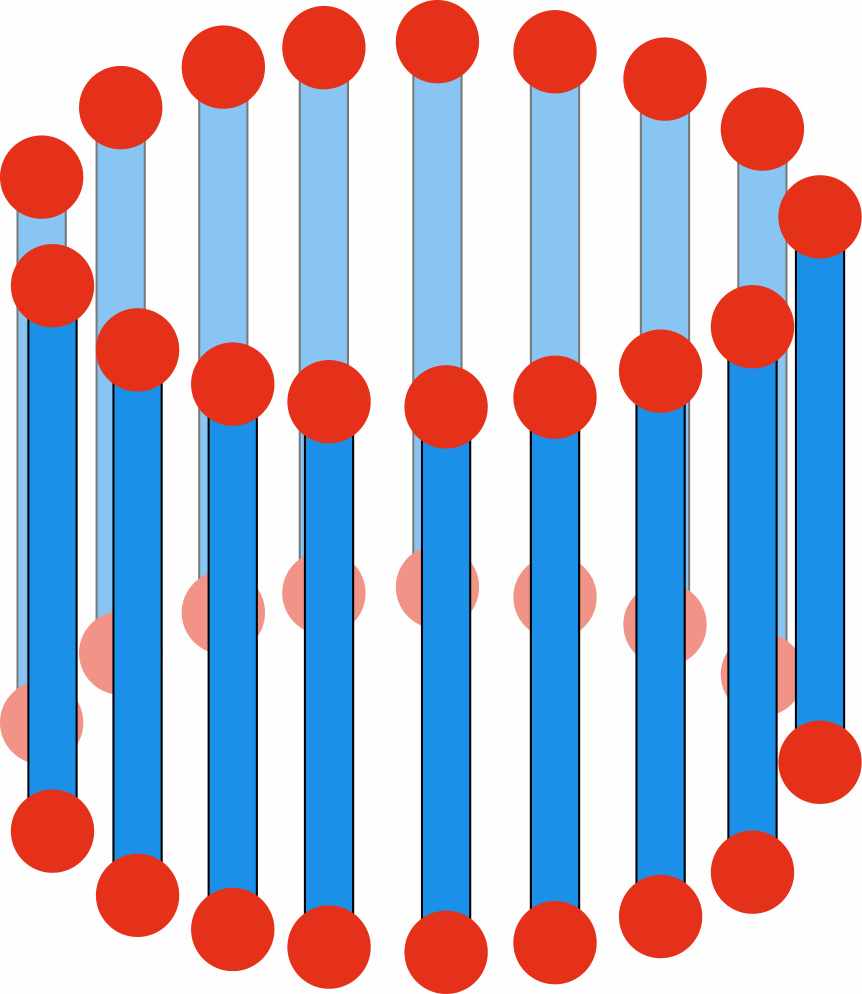
A Shape That Protects: Can Topology Be Independent of Symmetry?
Higher-order topological phases (HOTPs) feature protected gapless modes on boundaries of higher codimension, such as the corners or hinges of a crystal. They are understood as being protected by lattice symmetries: If the latter are broken, it becomes possible to re...
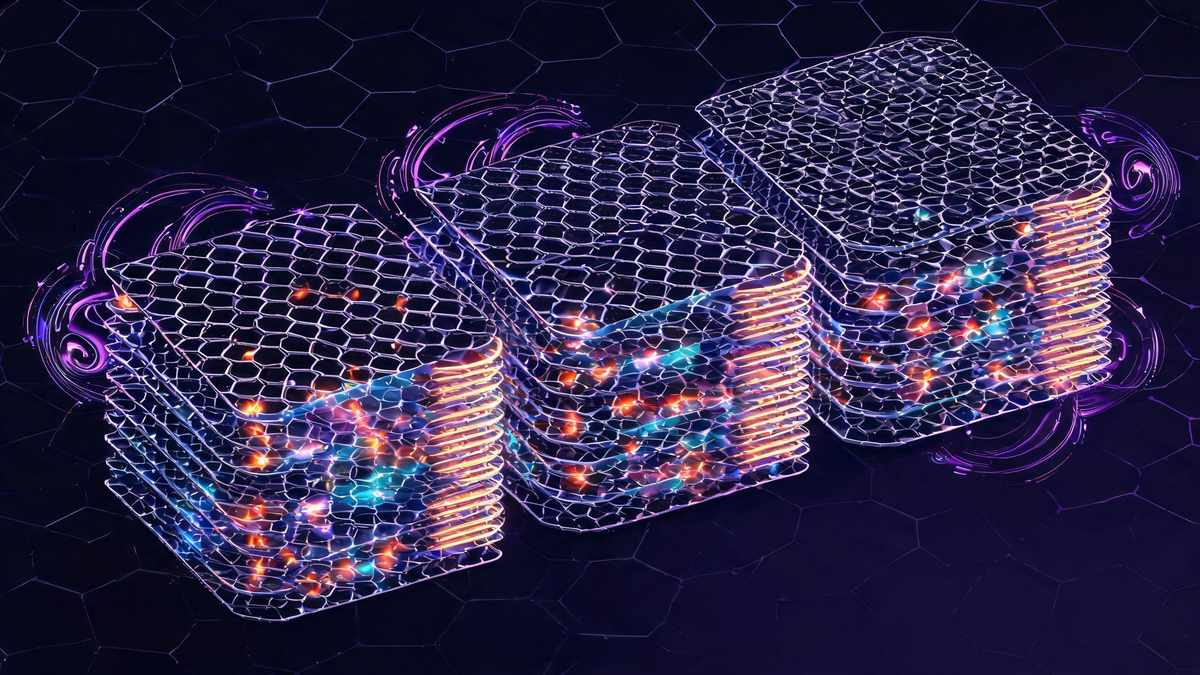
The Chern Hierarchy: Graphene Learns to Count Its Layers
In rhombohedral graphene, the topological Chern number equals the number of layers, enabling electrical control of orbital magnetism without magnetic fields.

From Flat to Narrow: How a Lattice Remembers and Forgets
A Lieb lattice’s flat band traps a quantum emitter’s photon in a bound state, but symmetry breaking warps the band, enabling a switch from memory to forgetfulness.
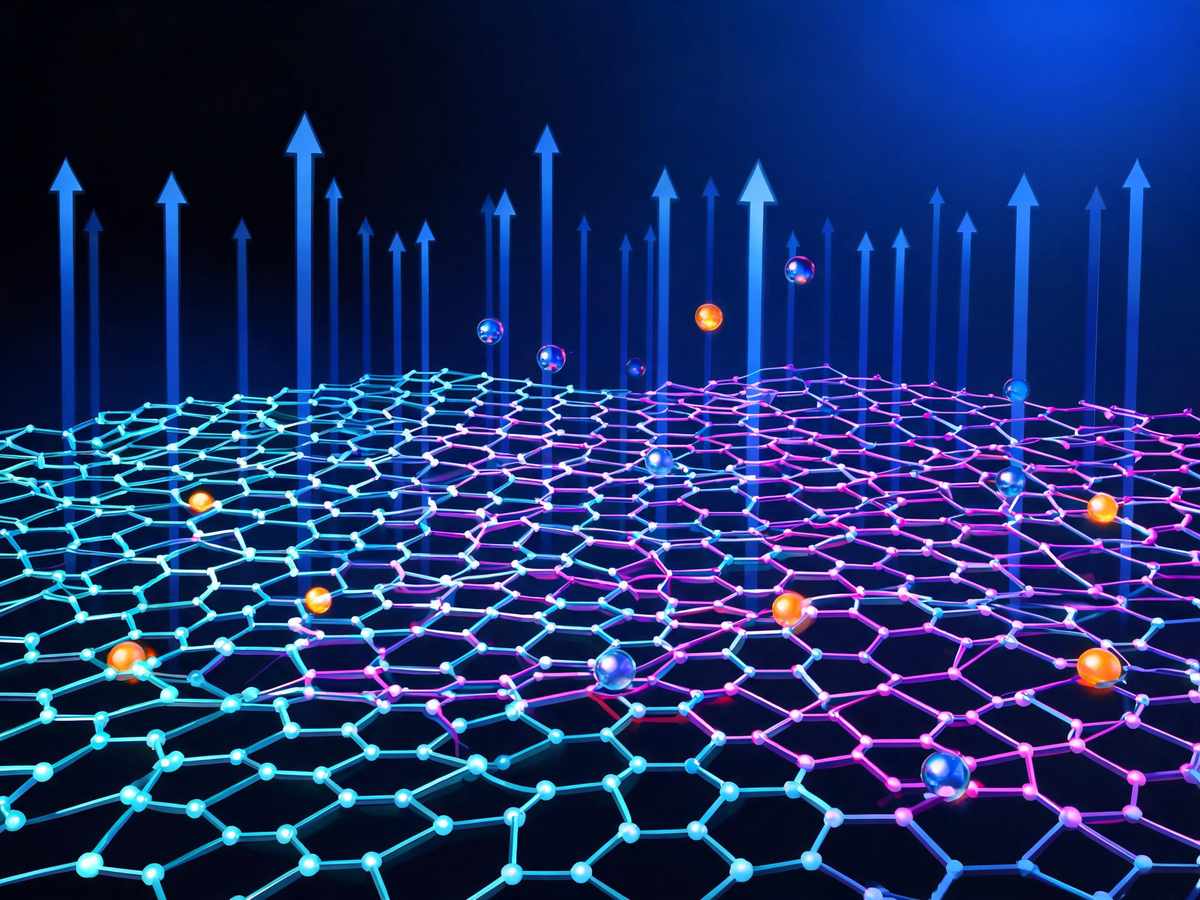
Tuning Electrons Between Layers: Controlled Charge Transfer in Moiré Superlattices
A vertical electric field precisely controls the transfer of electrons between layers in a MoSe₂/WS₂ moiré superlattice.