
Forgetting Distance: How AdaGraph Clusters in 5000 Dimensions
AdaGraph discovers clusters in high-dimensional data by analyzing neighbor connections, not Euclidean distances, revealing hidden structure in genomic and other datasets.
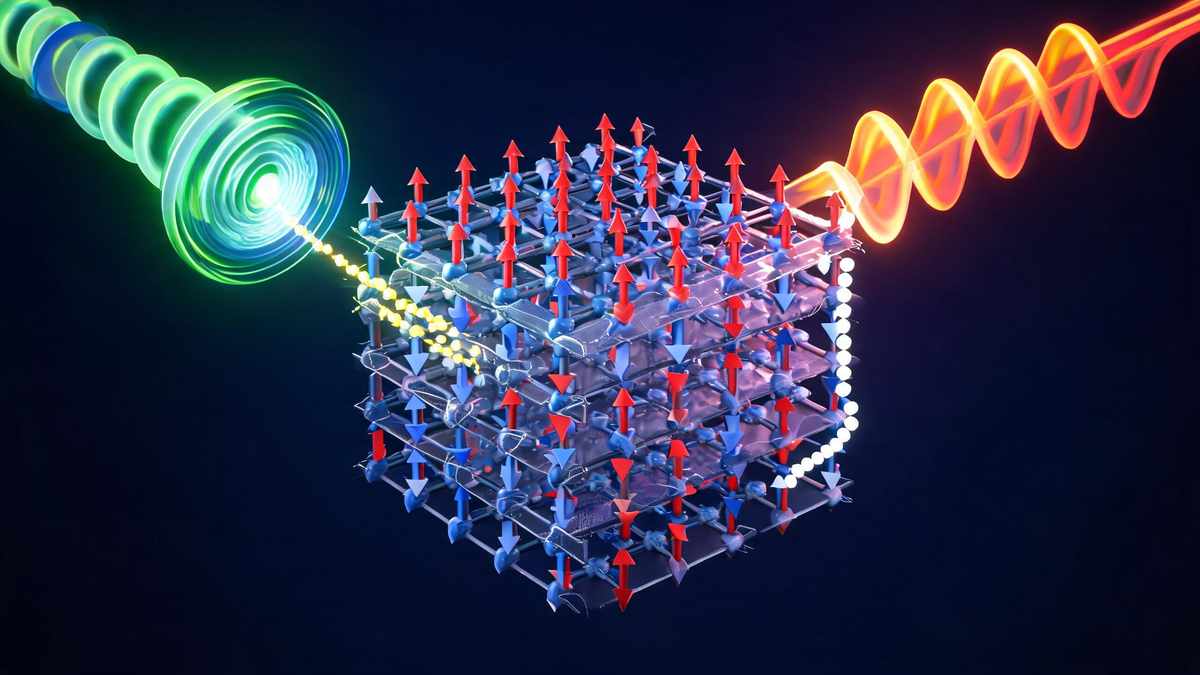
Flipping the Script: Magnetic Crystals Redefine Photocurrents
In an antiferromagnetic crystal, circularly polarized light generates a shift current while linear polarization drives an injection current, reversing conventional optoelectronic rules.
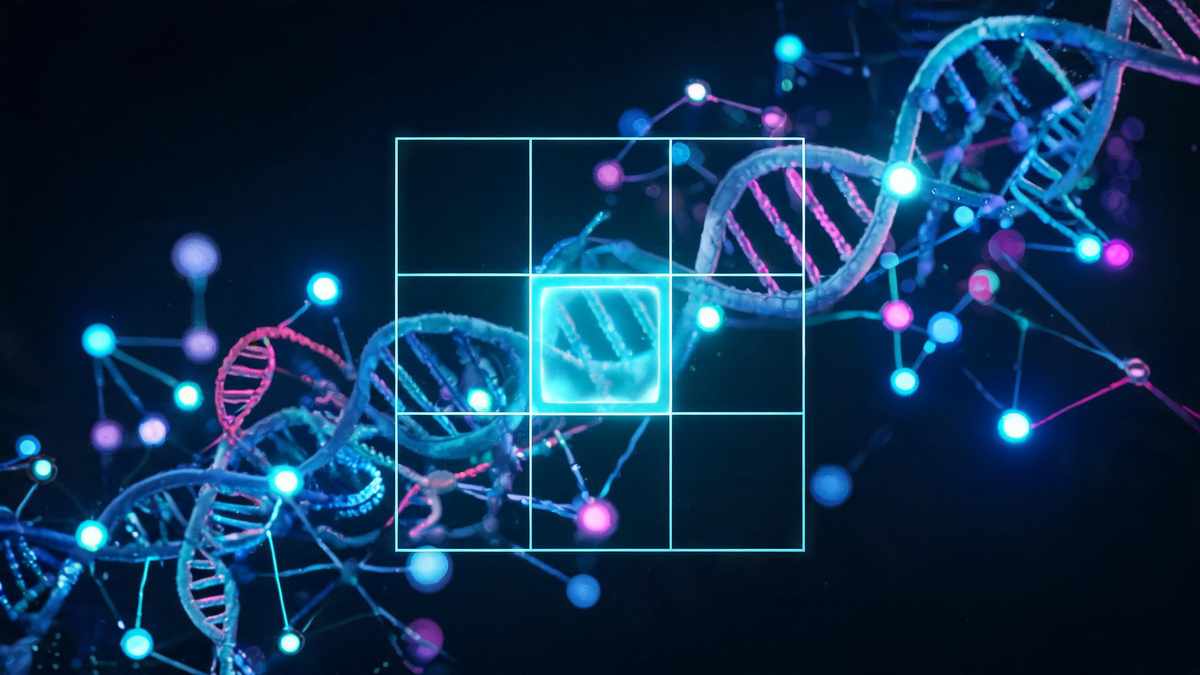
How Gene Networks Learn to Talk: A Language Game for Non-Human Intelligence
A gene network learns to communicate through a shared game, turning its molecular dynamics into meaningful conversation without words.
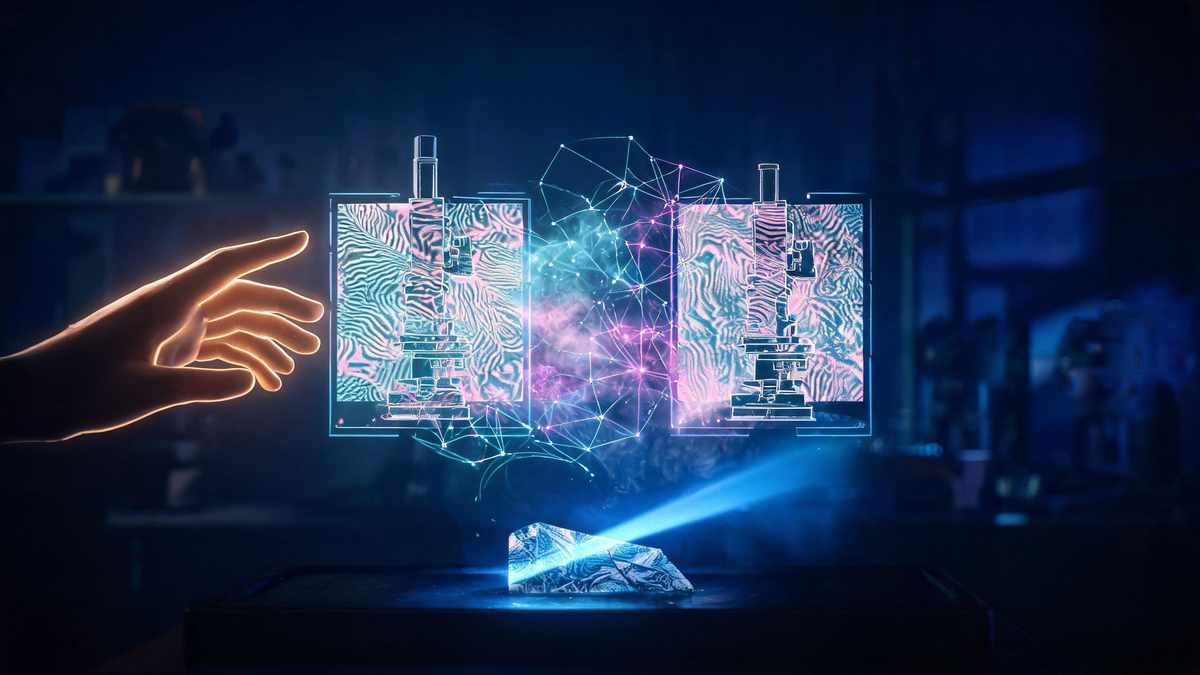
Learning to Prefer: The Human Whisper in Autonomous Microscopy
A human expert’s pairwise image comparisons teach an autonomous microscope which ferroelectric domain walls are scientifically most promising.

The Medical Map That Learned to Remember Time
A temporal biomedical knowledge graph encodes when symptoms emerge along disease trajectories, enabling machines and clinicians to grasp the story of illness over time.
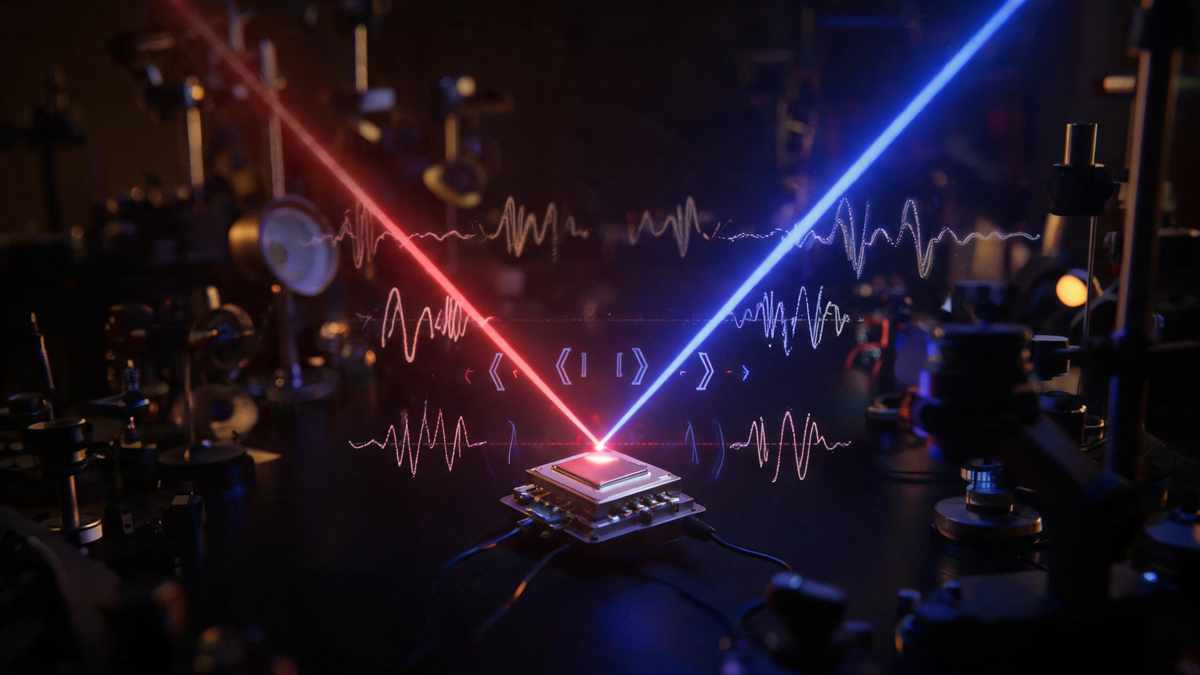
Ghost Imaging Learns to See in the Mid-Infrared
Mid-infrared temporal ghost imaging is achieved at room temperature by using two-photon absorption in a silicon photodiode as an optoelectronic mixer.
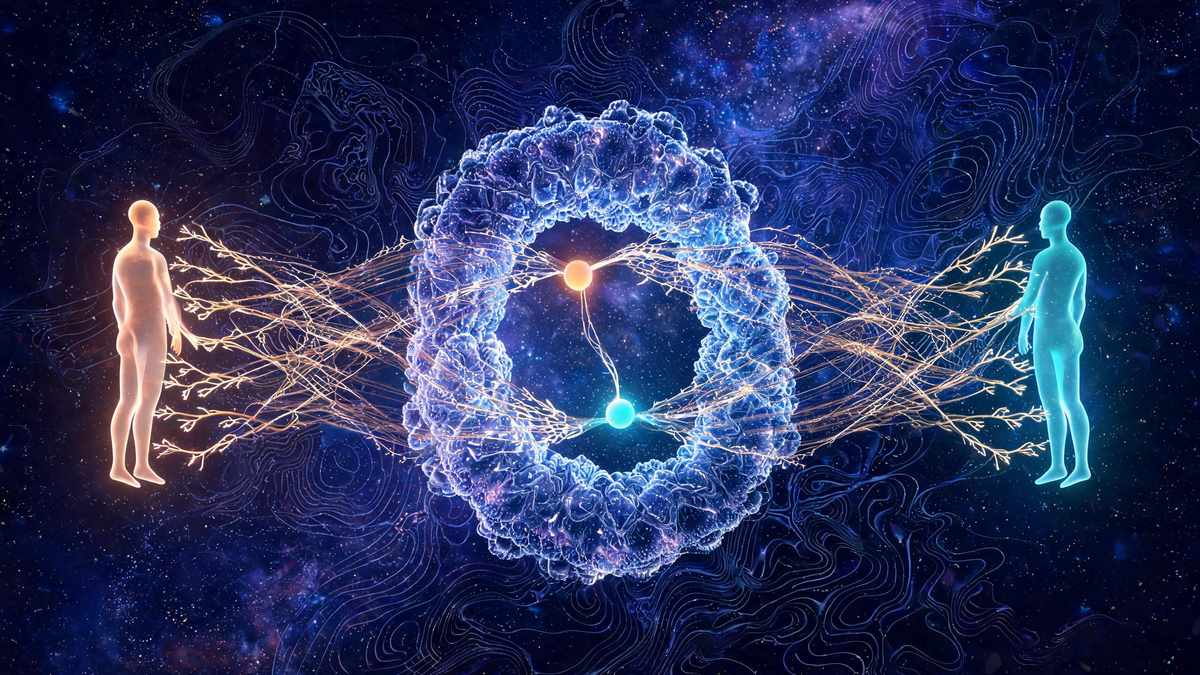
The Algebra That Self-Tests Quantum Embezzlement
Exact entanglement embezzlement is a self-test for a pair of Cuntz algebras and a quasi-free state, revealing a unique type III factor.
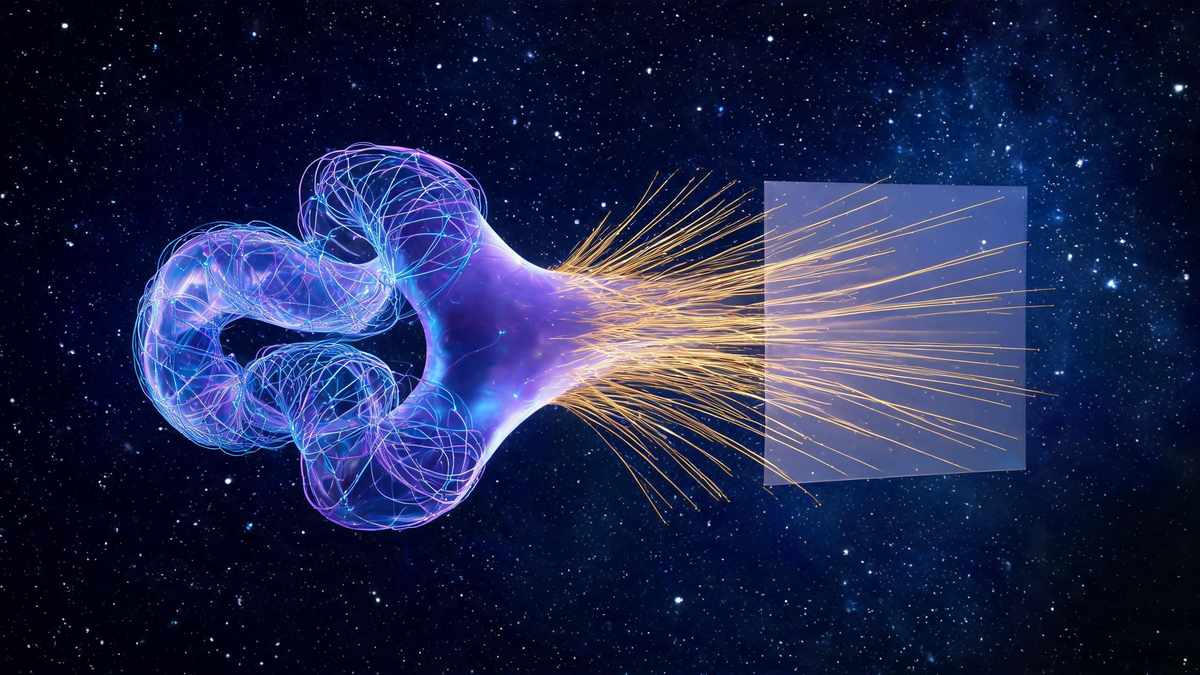
Watching Entanglement Forget: The Crosscap Quench
In a crosscap quench, a topologically entangled system forgets its antipodal pairing as entanglement entropy grows linearly, transforming its quantum memory.
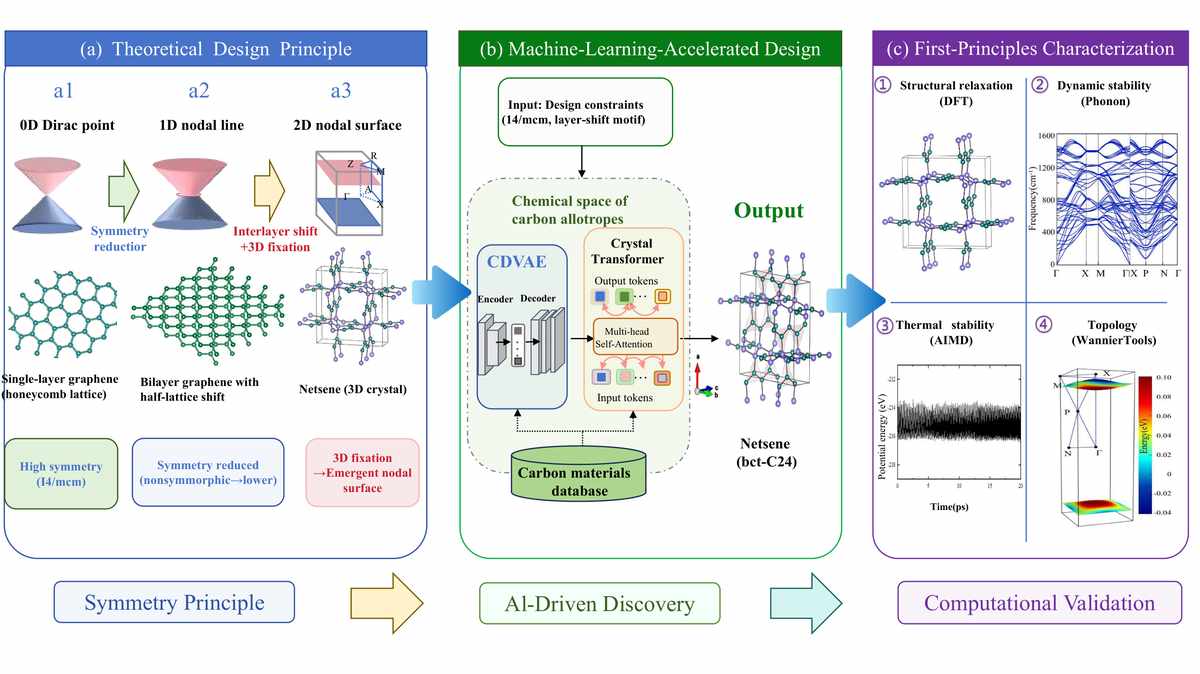
Nesting Carbon: Netsene and the Hidden Nodal-Surface Semimetal
Extending the Dirac physics of two-dimensional (2D) graphene into three dimensions (3D) carbon allotropes with higher-dimensional band degeneracies remains a central challenge in topological materials science. Here, we propose a general symmetry-engineering principl...
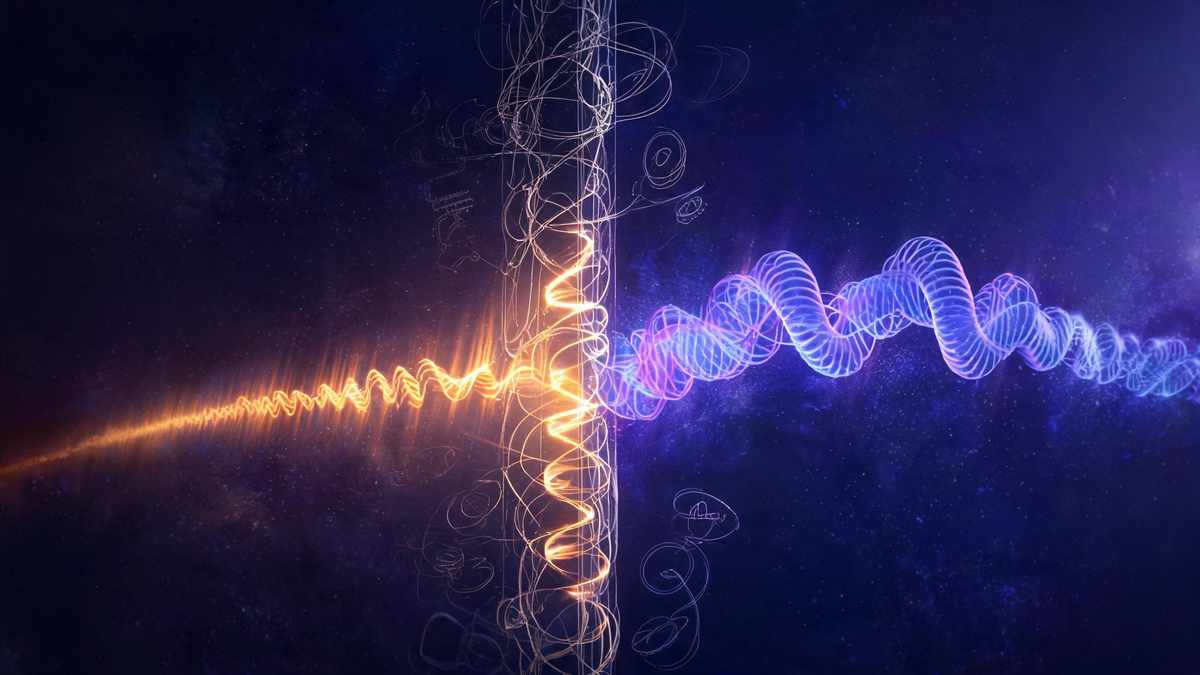
Light Hides a One‑Way Surface Channel
A single topological twist in the vacuum traps light as a one-way surface wave, even though the material on both sides is empty space.
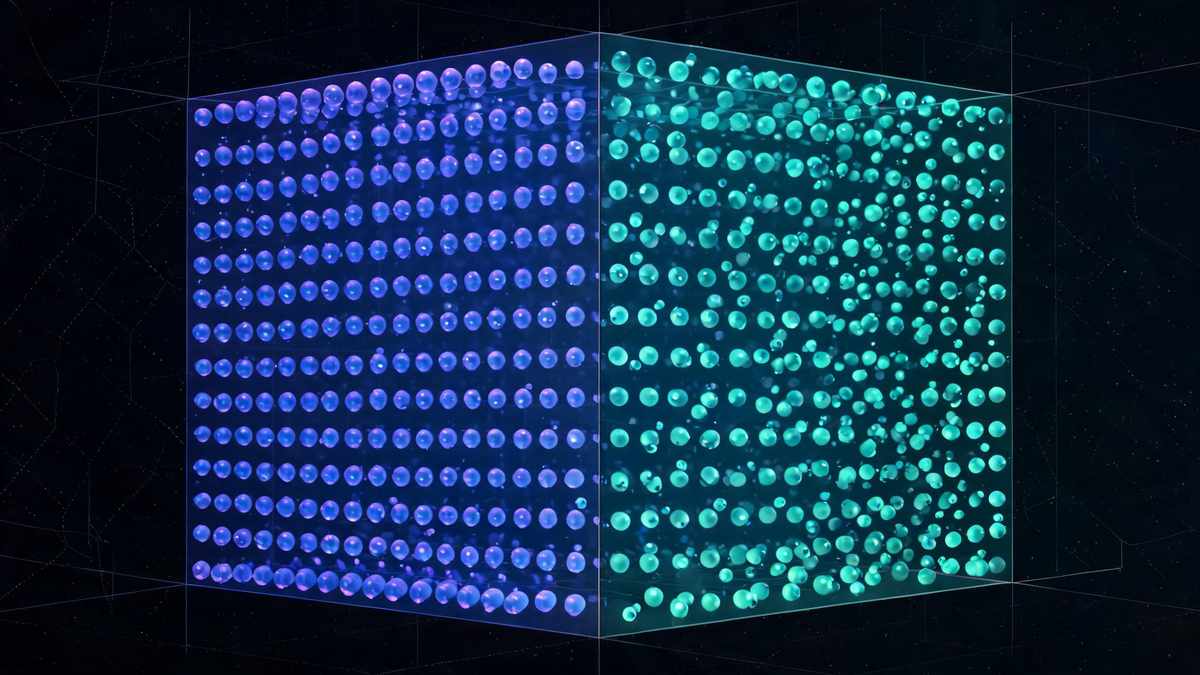
Transporting Fluctuations: A New Theorem Preserves Hyperuniformity
A new theorem proves that hyperuniform point sets retain their suppressed fluctuations under gentle transport, enabling efficient generation of isotropic patterns with extreme order.
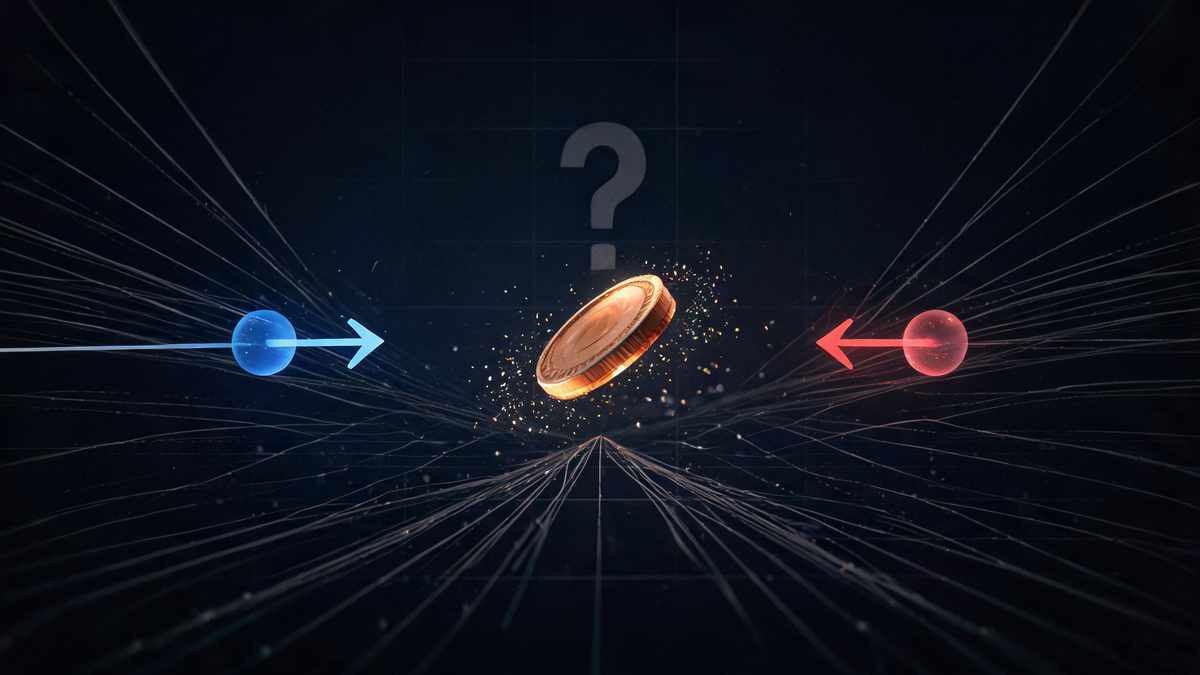
The Impossibility That Turns Explanations into a Coin Toss
A mathematical coin toss emerges when correlated features in machine learning models defy stable explanation, as proven by a new impossibility theorem.

How Drones Learn to Race, Overtake, and Avoid Crashing
Drones trained with league-based multi-agent reinforcement learning learn to overtake and avoid crashes, outperforming human champions in high-speed races.
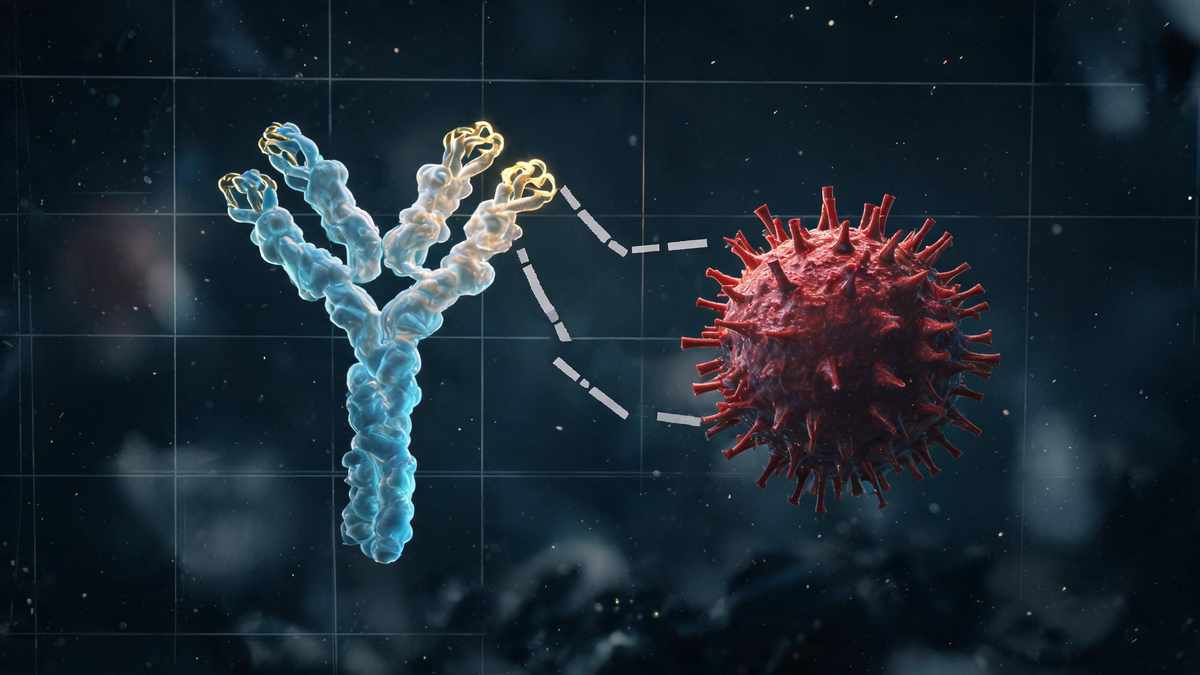
When a Designed Key Ignores the Lock: Antigen Blindness in Antibody AI
AI antibody models often produce generic keys that ignore their target antigen, a failure called antigen blindness.
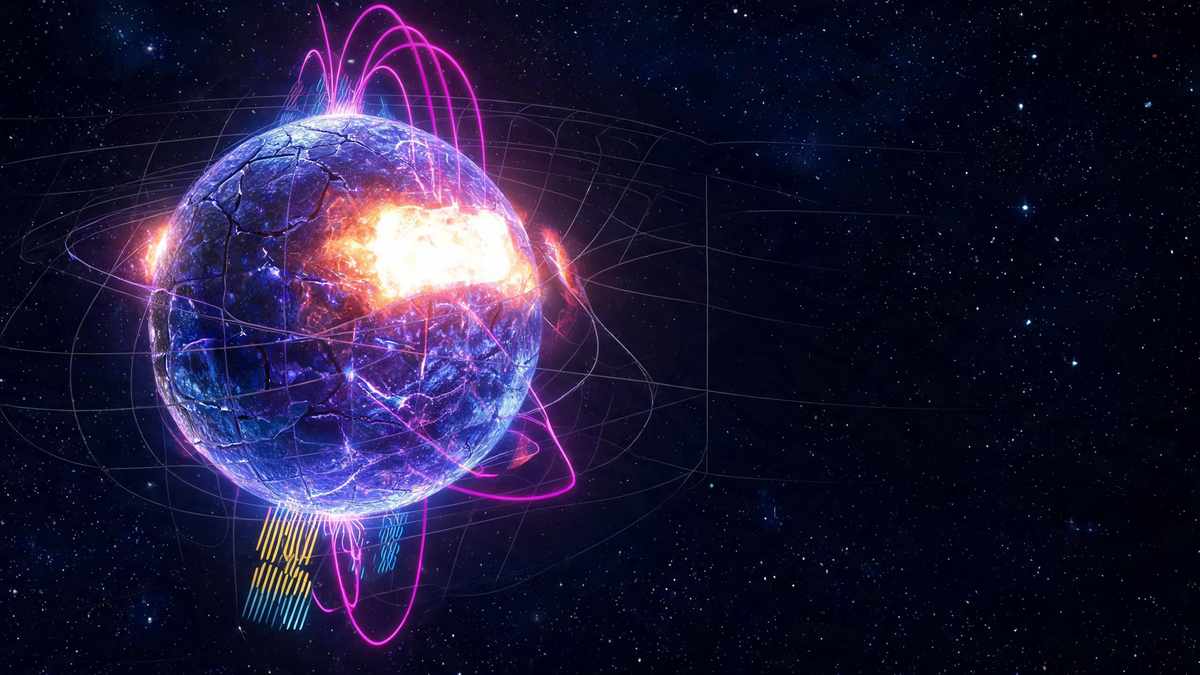
A Fireball’s Portrait: How Magnetars Paint with Curved Spacetime
A computational model decodes how magnetar fireballs imprint curved spacetime and quantum vacuum birefringence onto polarized X-ray bursts, linking stellar mass to light geometry.
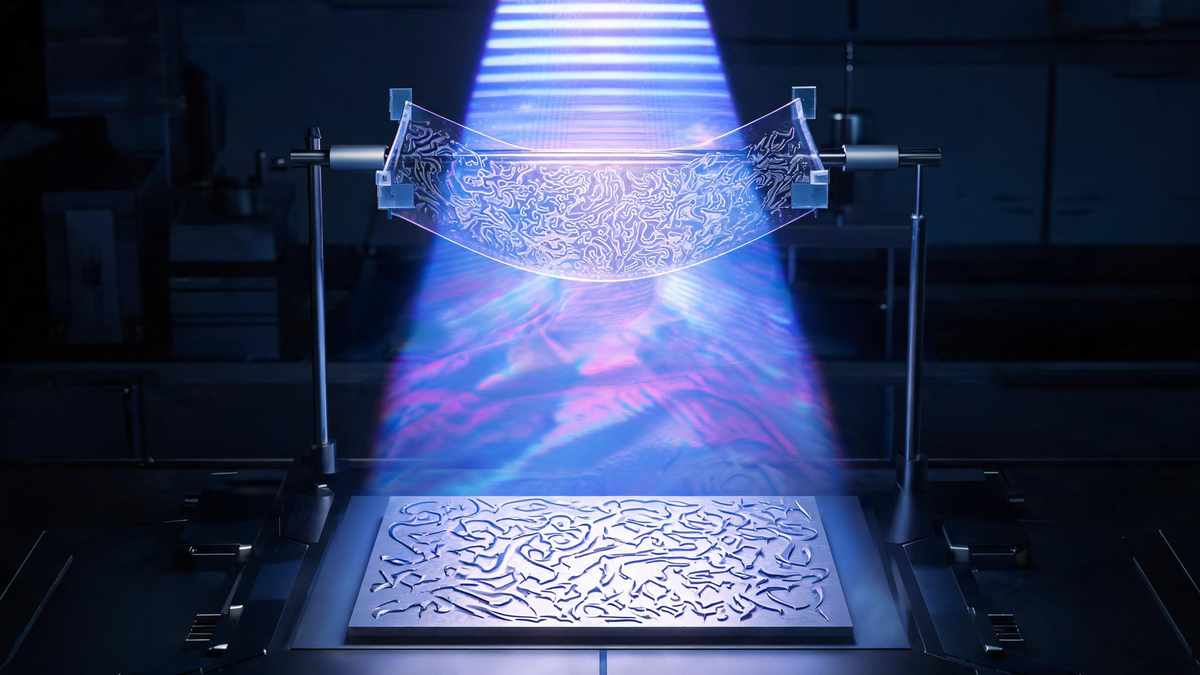
EUV Holography Learns to Print Curved Patterns at 40 nm
A lensless EUV holography system prints arbitrary curvilinear patterns at 40 nm resolution, surpassing the periodic limit of interference lithography.

Climbing the Spin Glass with the Hessian’s Whisper
A new algorithm, Potential Hessian Ascent, uses free probability to listen to the curvature of the spin-glass landscape and reach the Parisi ground state.
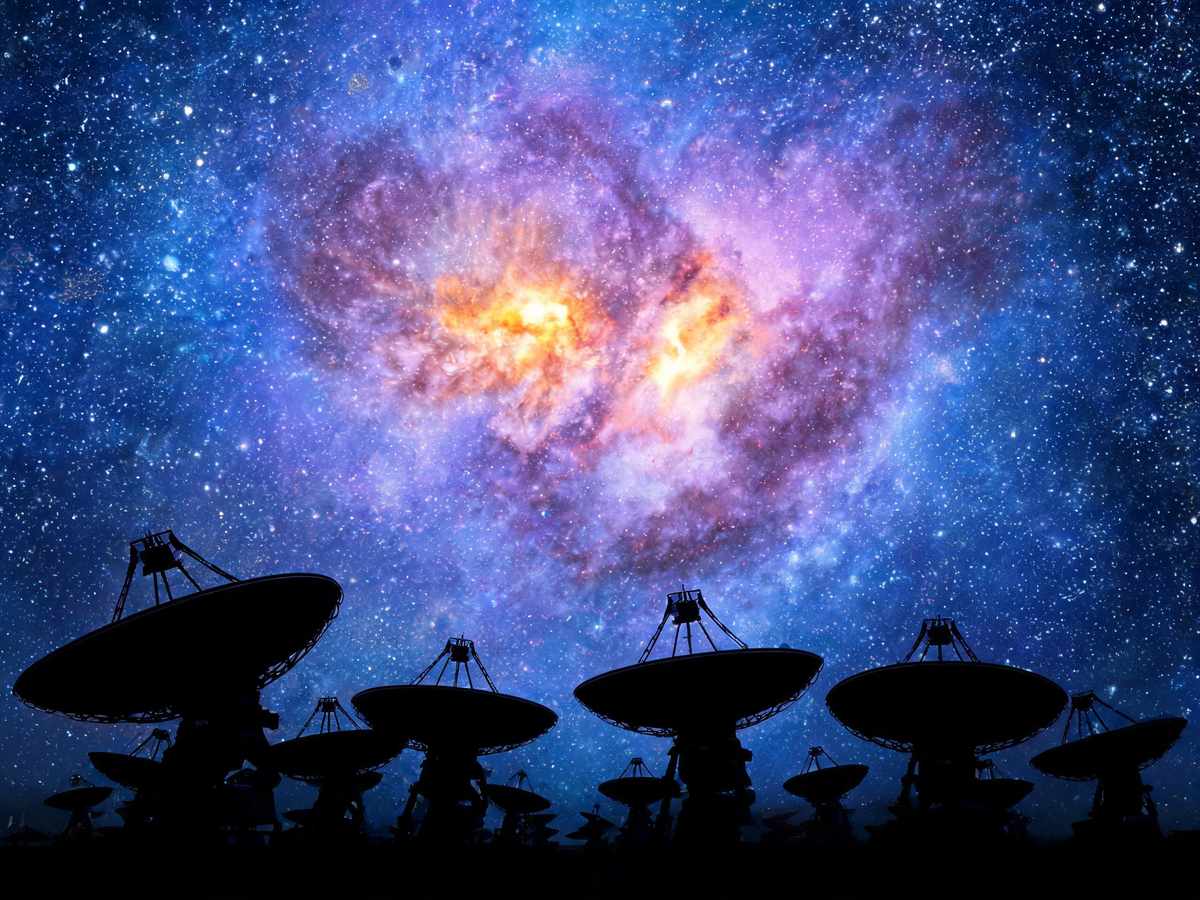
The Radio Glow That Shouldn’t Have Survived: MeerKAT’s Peek into the Early Universe
MeerKAT's L-band observations reveal luminous radio halos in merging galaxy clusters at redshift >1, challenging models of cosmic microwave background energy losses.
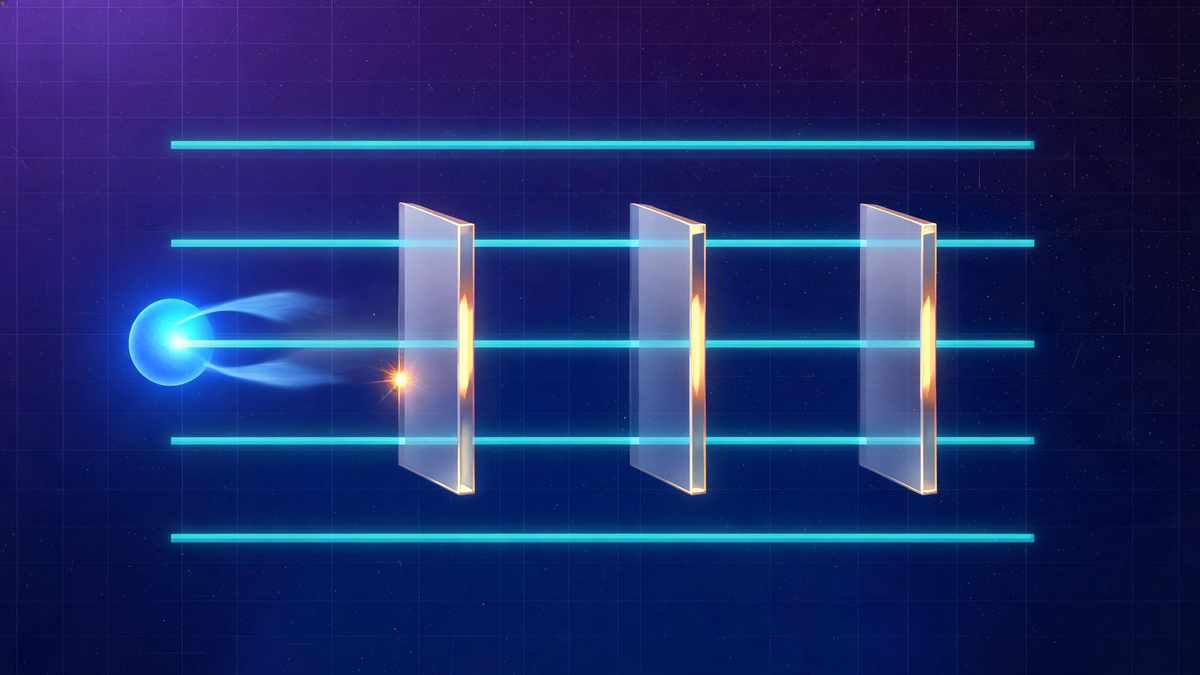
When an Electron’s Recoil Becomes a Quantum Computer
An electron's discrete recoil upon absorbing photons creates a programmable quantum ladder, enabling universal quantum computation and black hole simulation.
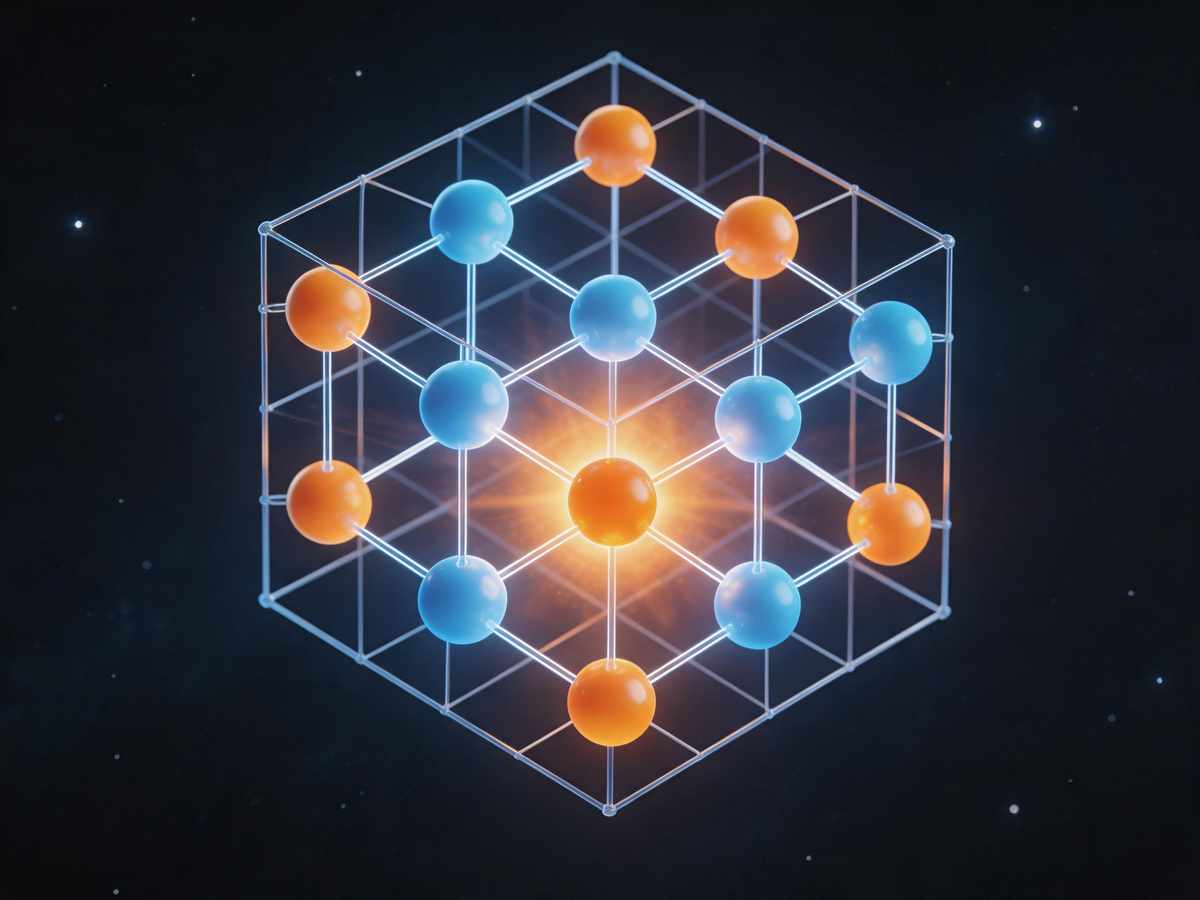
Taming Rydberg Decay: A Smarter Way to Protect Quantum Information
Rydberg decay errors in neutral atom qubits are located and corrected using the final measurement pattern in a topological cluster state.
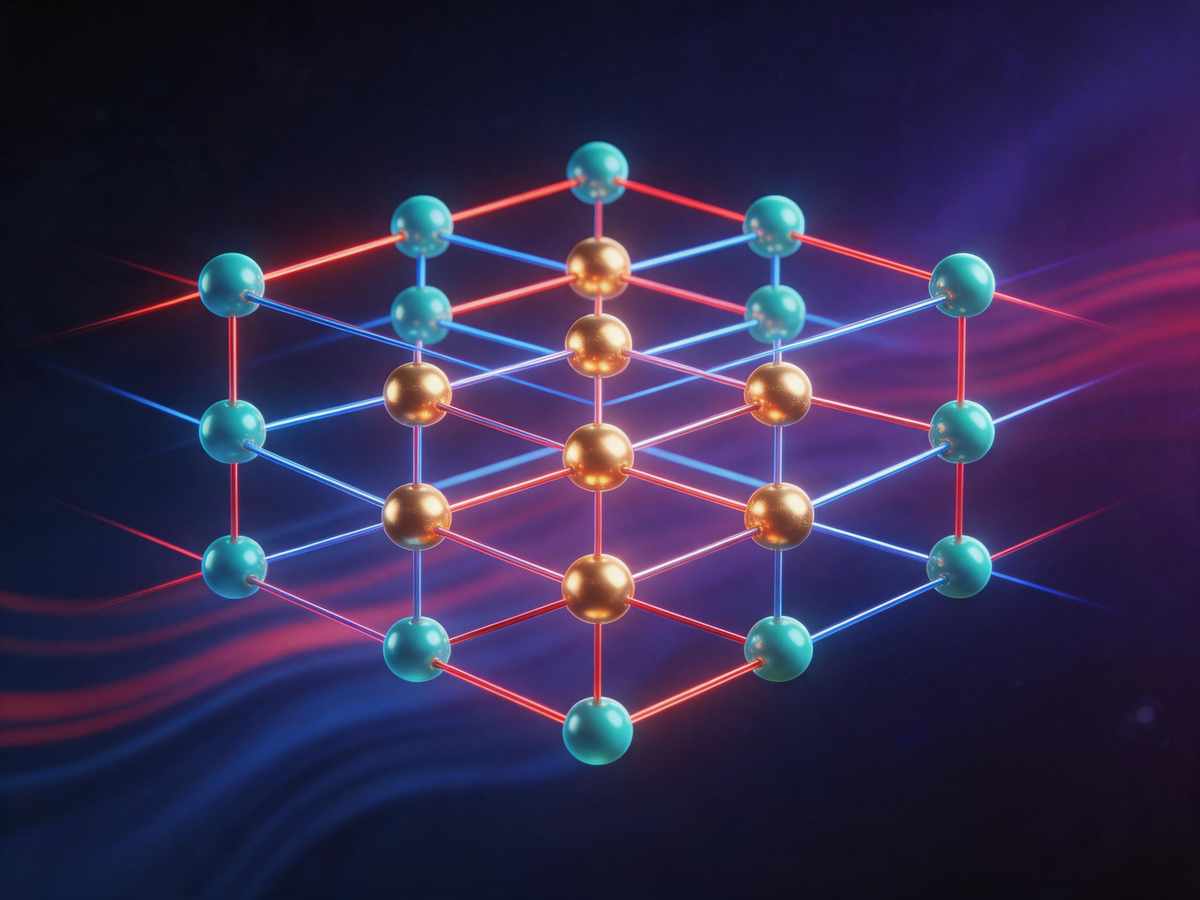
When Copper and Oxygen Dance: Building a Quantum Simulator for High-Temperature Superconductivity
A bichromatic optical superlattice traps ultracold atoms to simulate the copper-oxygen interactions in cuprate high-temperature superconductors.
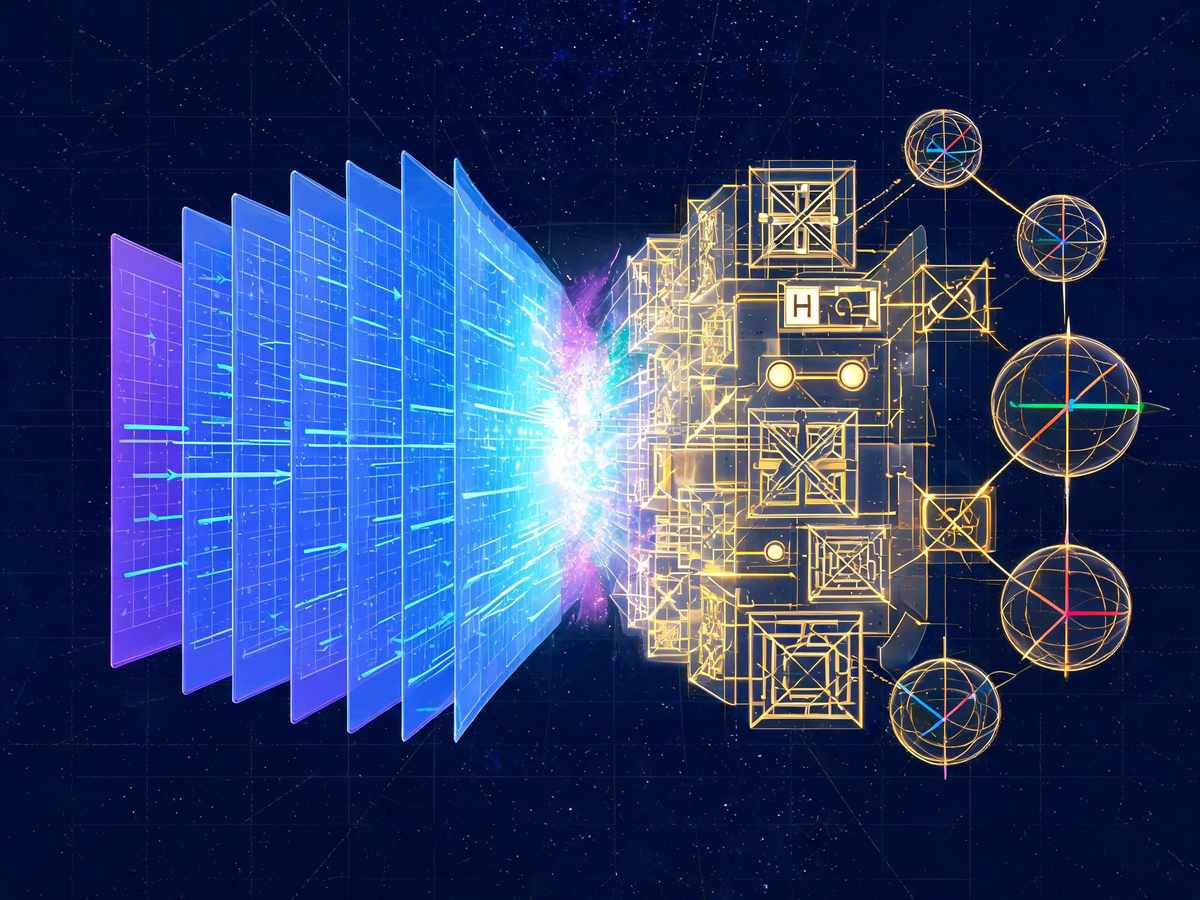
The Quantum Adapter That Learned to Improve Language
A quantum circuit adapter improves language model performance by inserting two-qubit unitary blocks into frozen transformer layers.
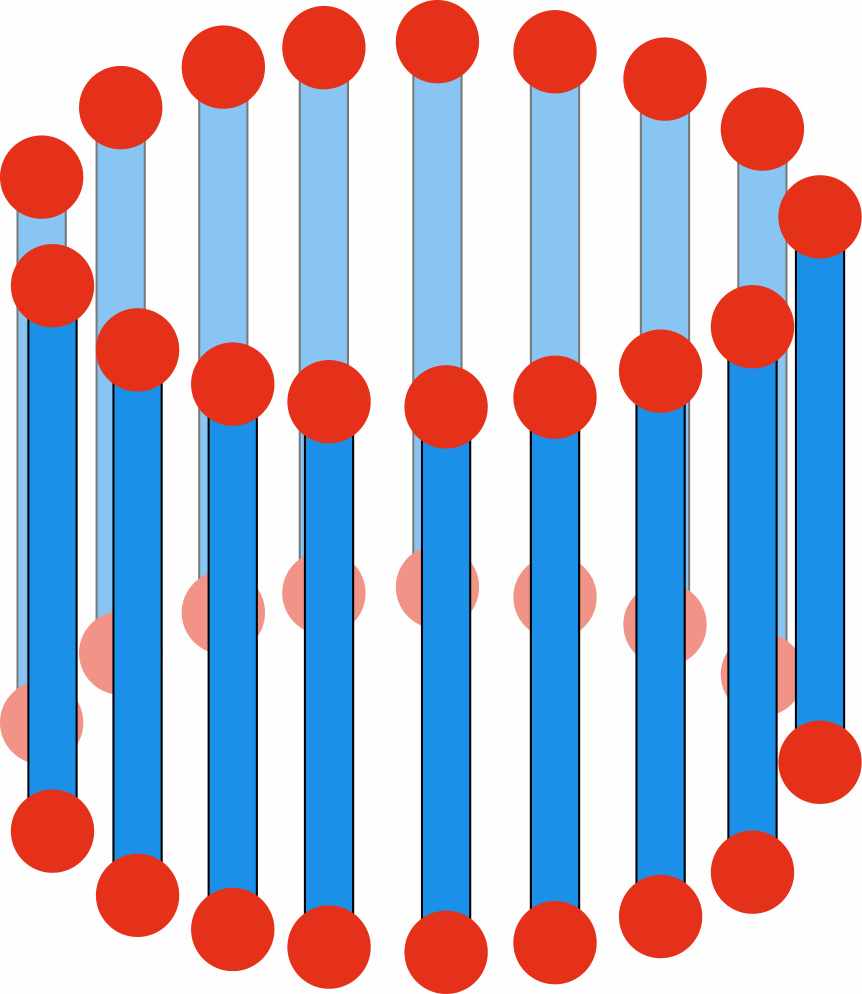
A Shape That Protects: Can Topology Be Independent of Symmetry?
Higher-order topological phases (HOTPs) feature protected gapless modes on boundaries of higher codimension, such as the corners or hinges of a crystal. They are understood as being protected by lattice symmetries: If the latter are broken, it becomes possible to re...
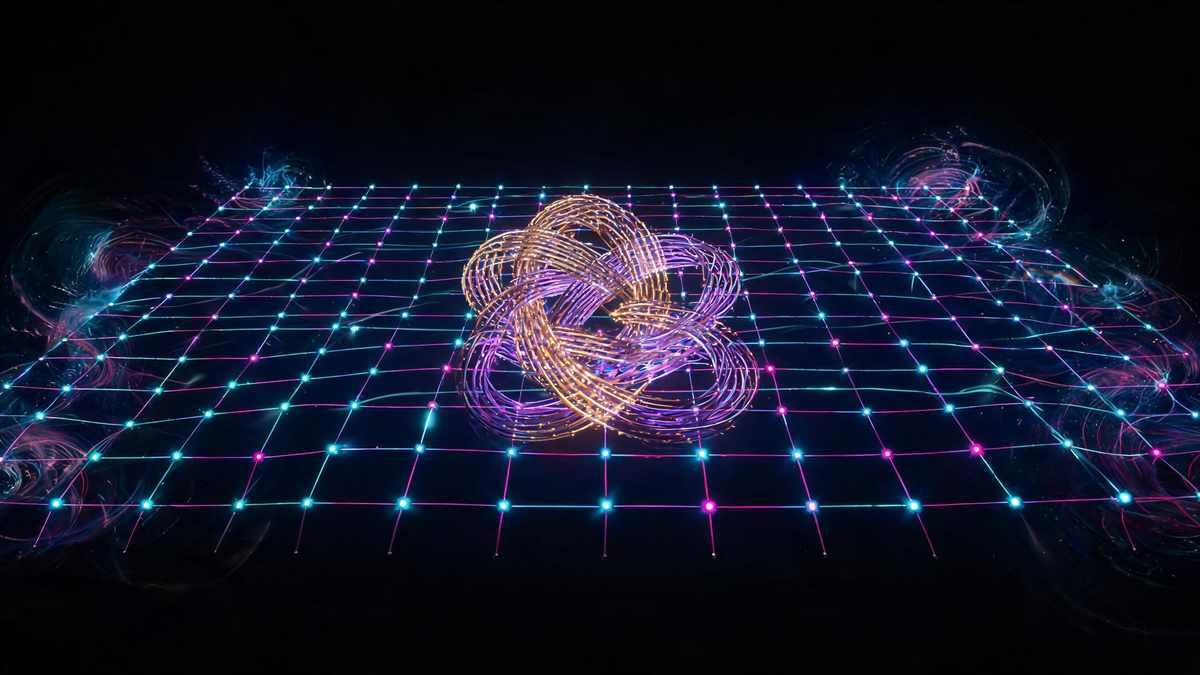
How a 2D Code Learned Magic
A two-dimensional stabilizer code reaches beyond its dimensional ceiling, using cup products to weave a transversal T-gate directly into the fabric.

The Market That Eats Its Own Tail: Synthetic Data's Economic Trap
A self-consuming data serpent symbolizes the market failure where synthetic training data degrades model quality, creating an economic equilibrium of contamination.
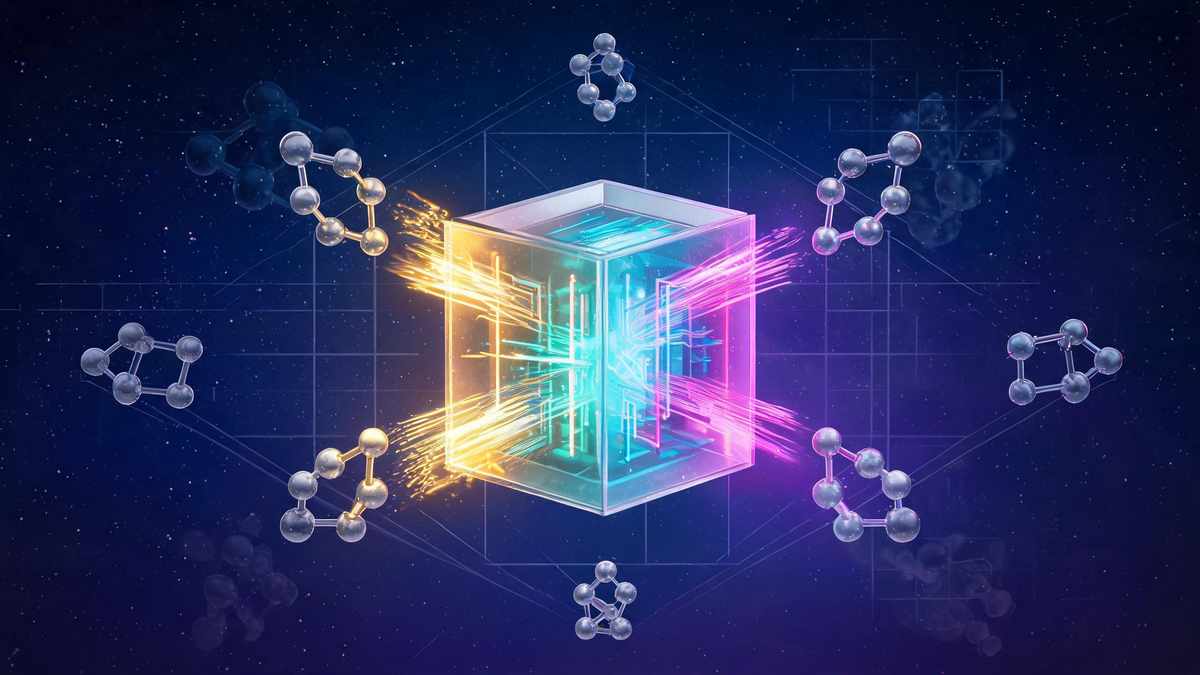
When Symmetry Learns to Read the Data
A new starG tensor algebra extracts hidden symmetry from molecular data, decomposing properties into irreducible representation channels without prior physical knowledge.
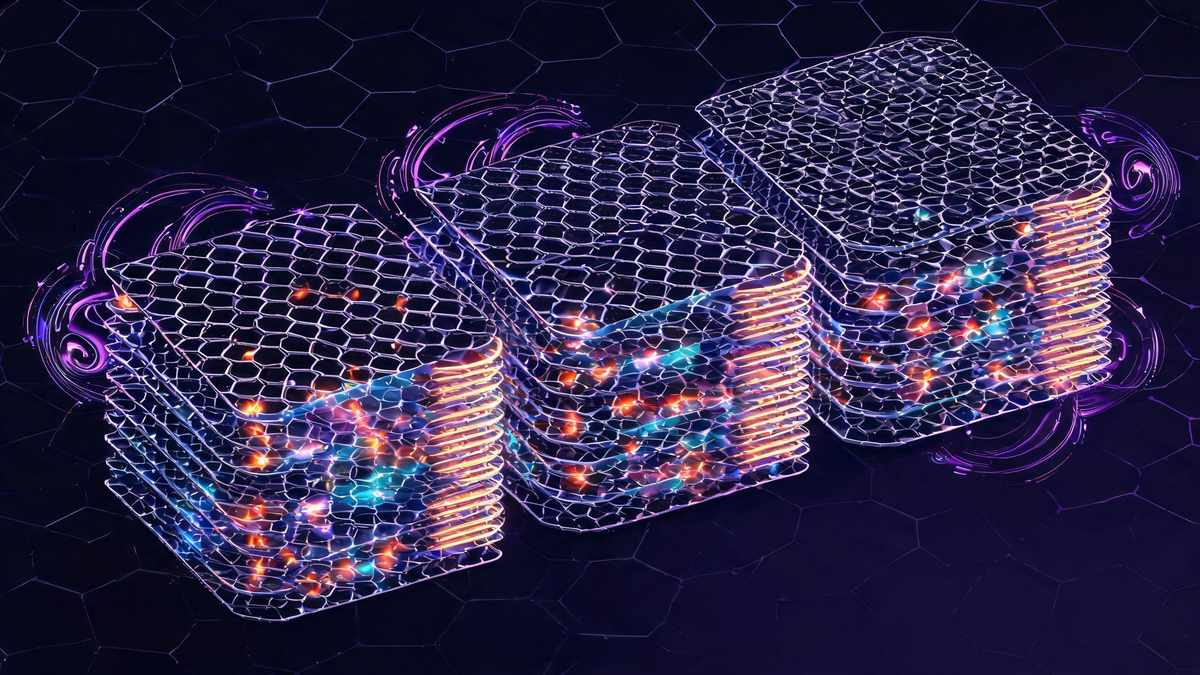
The Chern Hierarchy: Graphene Learns to Count Its Layers
In rhombohedral graphene, the topological Chern number equals the number of layers, enabling electrical control of orbital magnetism without magnetic fields.

From Flat to Narrow: How a Lattice Remembers and Forgets
A Lieb lattice’s flat band traps a quantum emitter’s photon in a bound state, but symmetry breaking warps the band, enabling a switch from memory to forgetfulness.
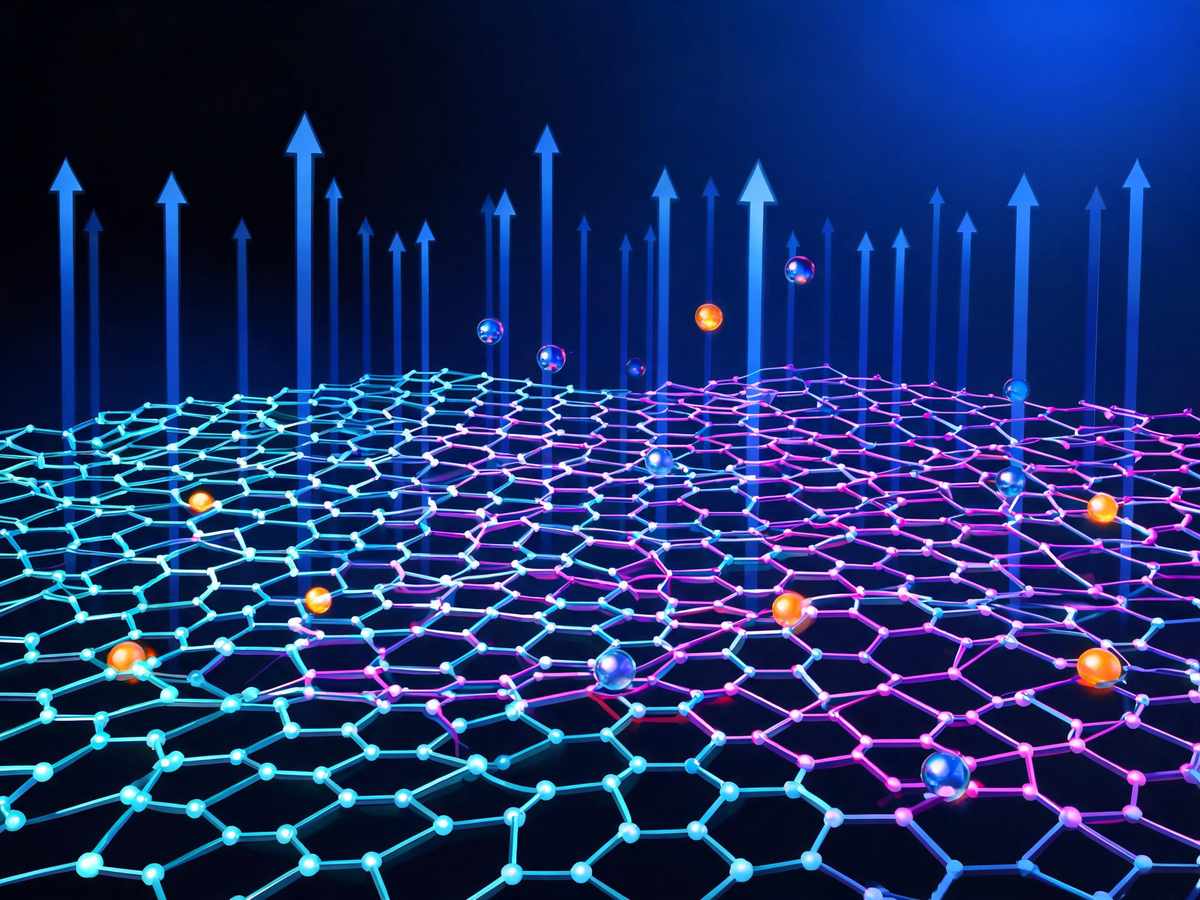
Tuning Electrons Between Layers: Controlled Charge Transfer in Moiré Superlattices
A vertical electric field precisely controls the transfer of electrons between layers in a MoSe₂/WS₂ moiré superlattice.
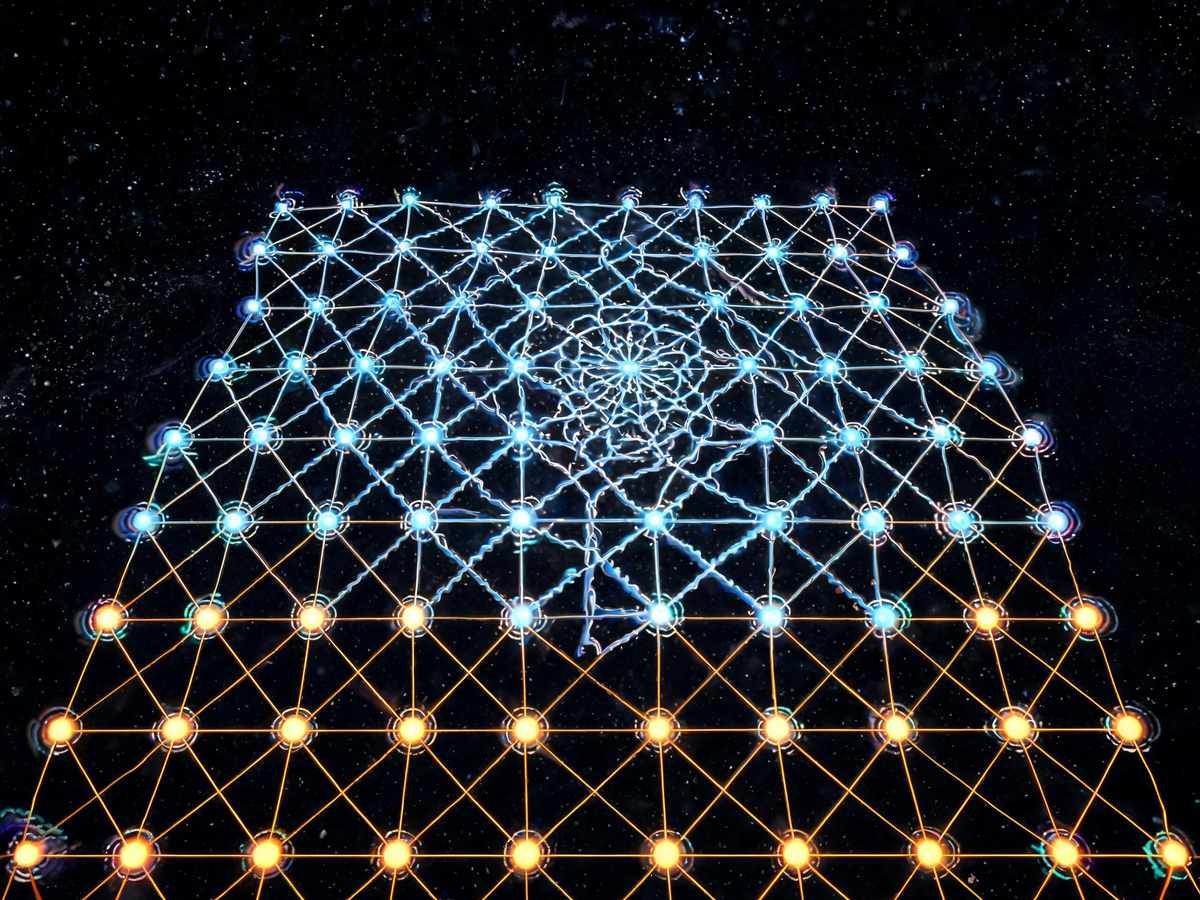
Electrons Learn to Twist: How Zero‑Point Motion Builds a Quasicrystal
Zero‑point motion stabilizes a 30‑degree twisted bilayer quasicrystal of electrons, a new electronic phase in homogeneous quantum wells.