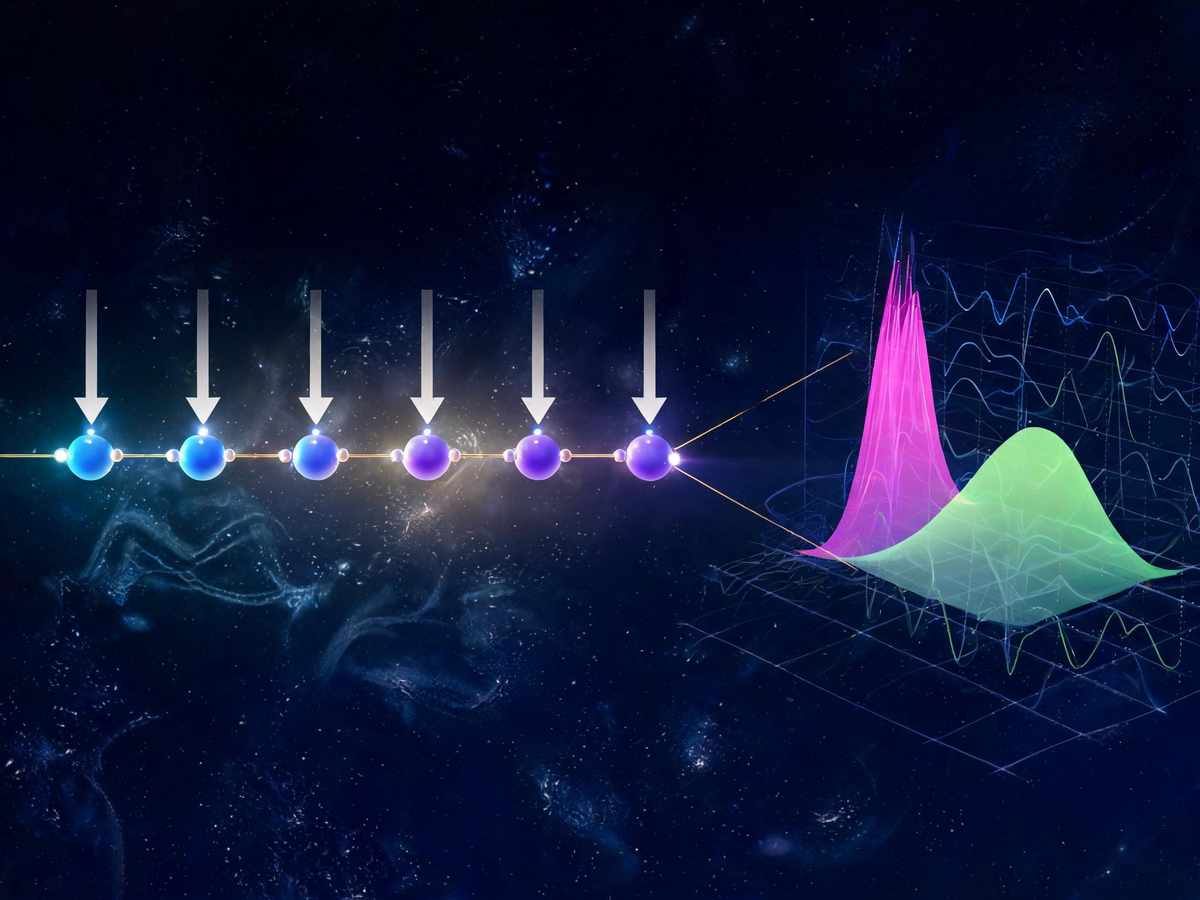
Is Quantum Chaos Hiding in the Second Moment?
In a many-body spin chain, the variance of entanglement across measurement histories separates chaotic dynamics from integrable ones, unmasking quantum chaos where averages fail.

Learning to Differentiate: The First Theorem for Operators
A neural network learns not only an operator but also its Fréchet derivatives, bridging infinite-dimensional spaces with mathematical guarantees.
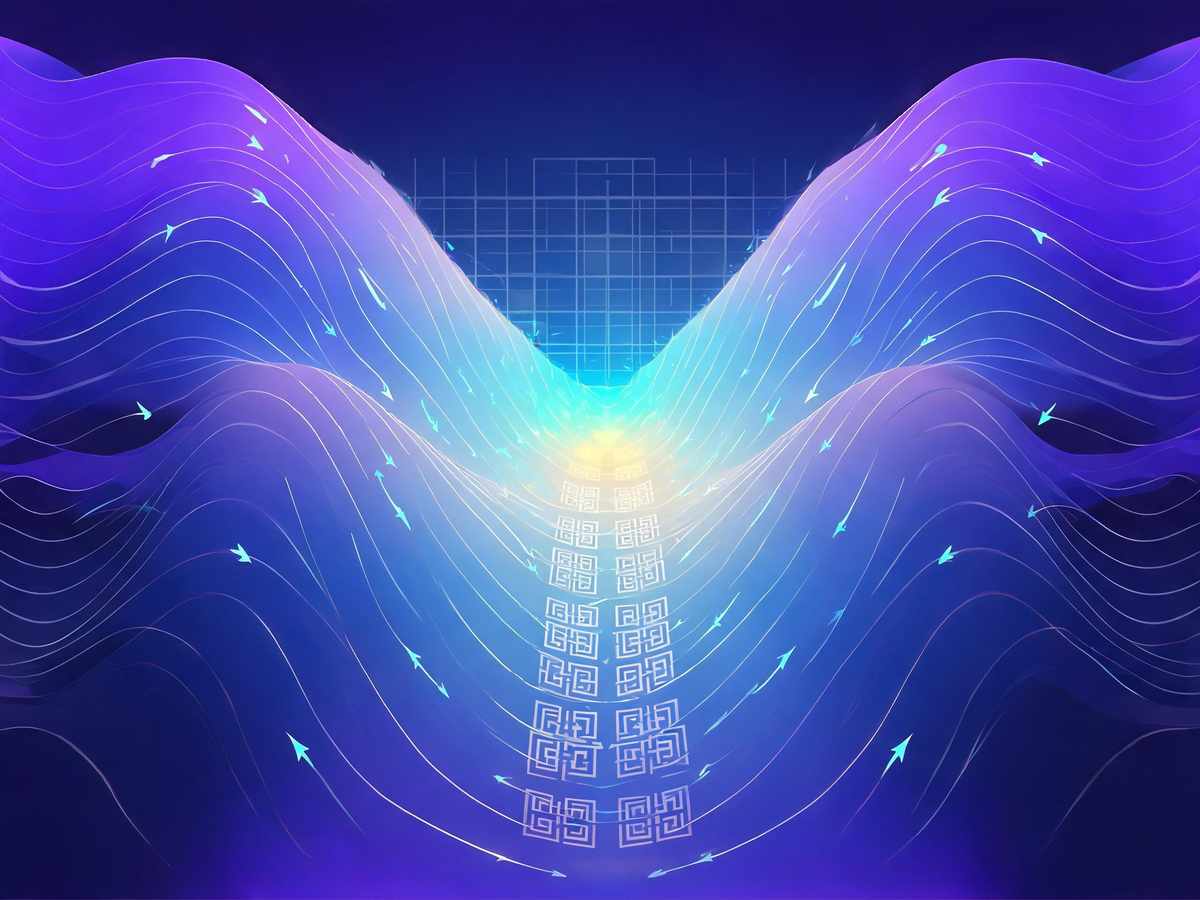
A Differentiable Measure That Sees Groups
A differentiable loss function detects algebraic group structure: its global minimum exists if and only if the data table is isotopic to a group.
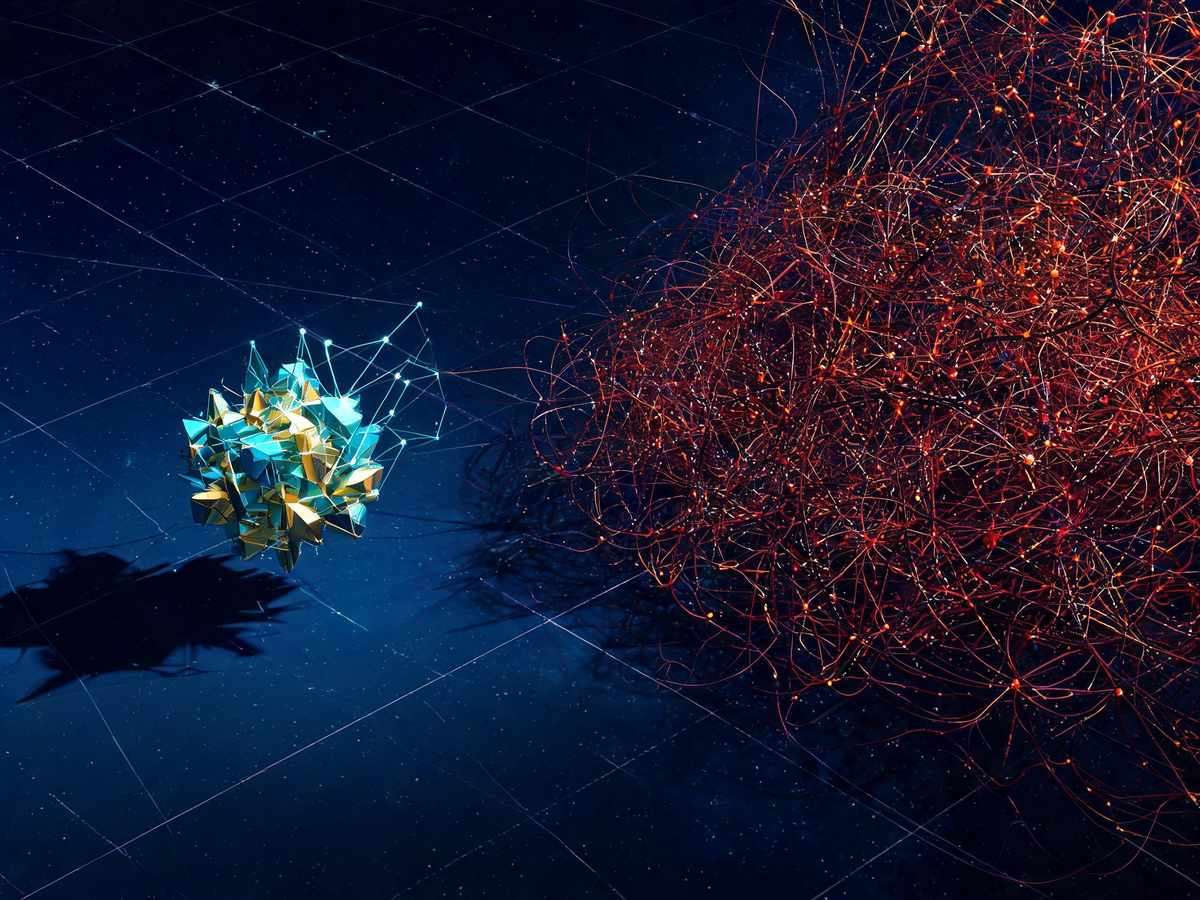
Proving Transformers Are Inherently Succinct
A compact transformer, no larger than a haiku, can describe patterns that would require a universe-sized recurrent network to match.

Fluid Dynamics Learns to Intersect: A Geometric Reformulation
Fluid dynamics is revealed as the intersection of a coisotropic submanifold (spacetime constraints) and a Lagrangian submanifold (fluid equation of state) in an infinite-dimensional symplectic geometry.

When the Patient's Words Change the Diagnosis
Benign variations in patient language can shift AI diagnostic outputs, revealing a fundamental challenge for trustworthy medical AI.

When Optimization Becomes a Mountain: A New Way to Climb
A new algorithm climbs the complex, quartic landscape of financial optimization by following the affine-normal direction, not just the gradient.
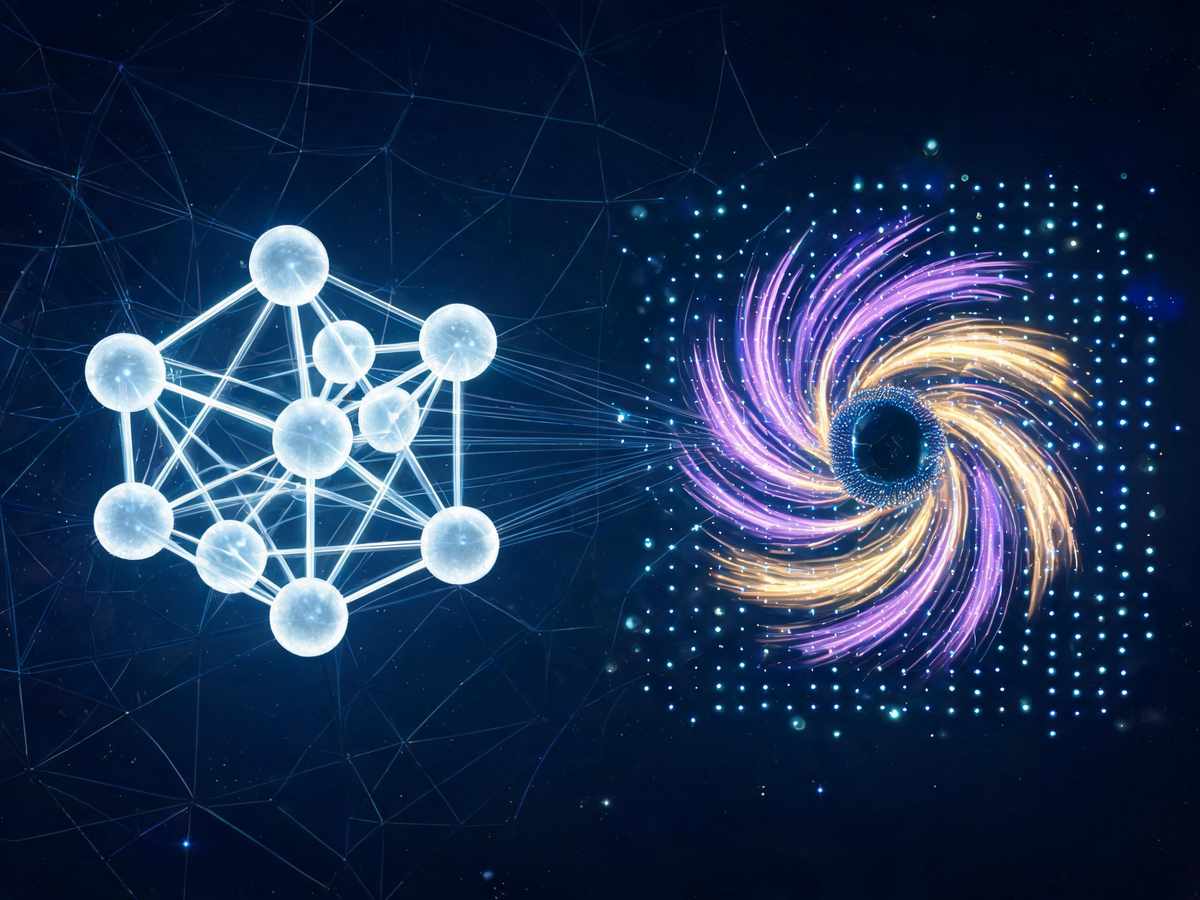
Spinning Out of the Blue: AI Finds Chiral Superconductivity
A self-attention neural network discovers chiral p+ip superconductivity by minimizing energy from raw electron coordinates, revealing emergent topological order.
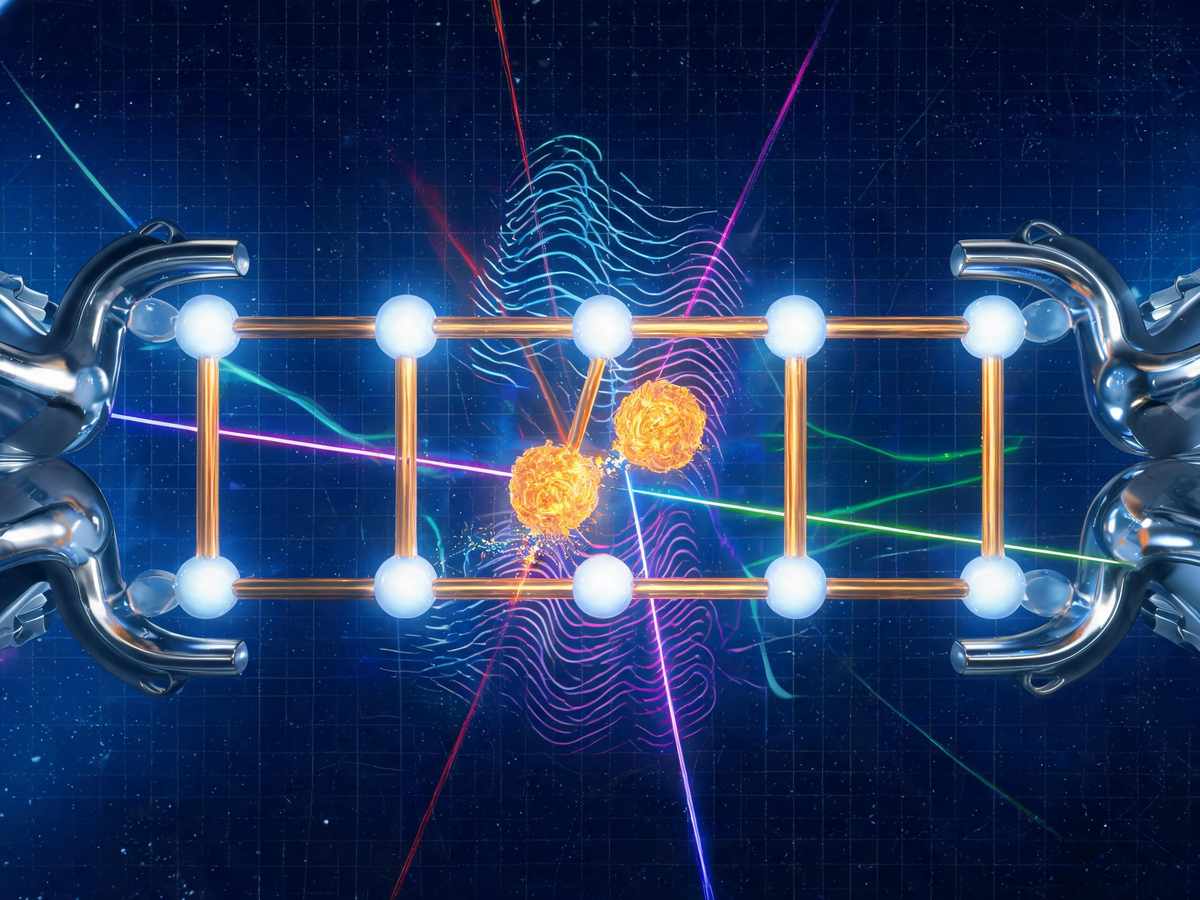
When a Quantum String Breaks Itself
For the first time, a trapped-ion quantum simulator observes non-abelian string breaking, where the force that binds quarks tears itself apart without any dynamical matter.

The Imaginary Distance Bound: When Wormholes Draw a Line
Wormholes in quantum gravity impose an imaginary distance bound, limiting how far a theory's parameters can be twisted before consistency breaks down.
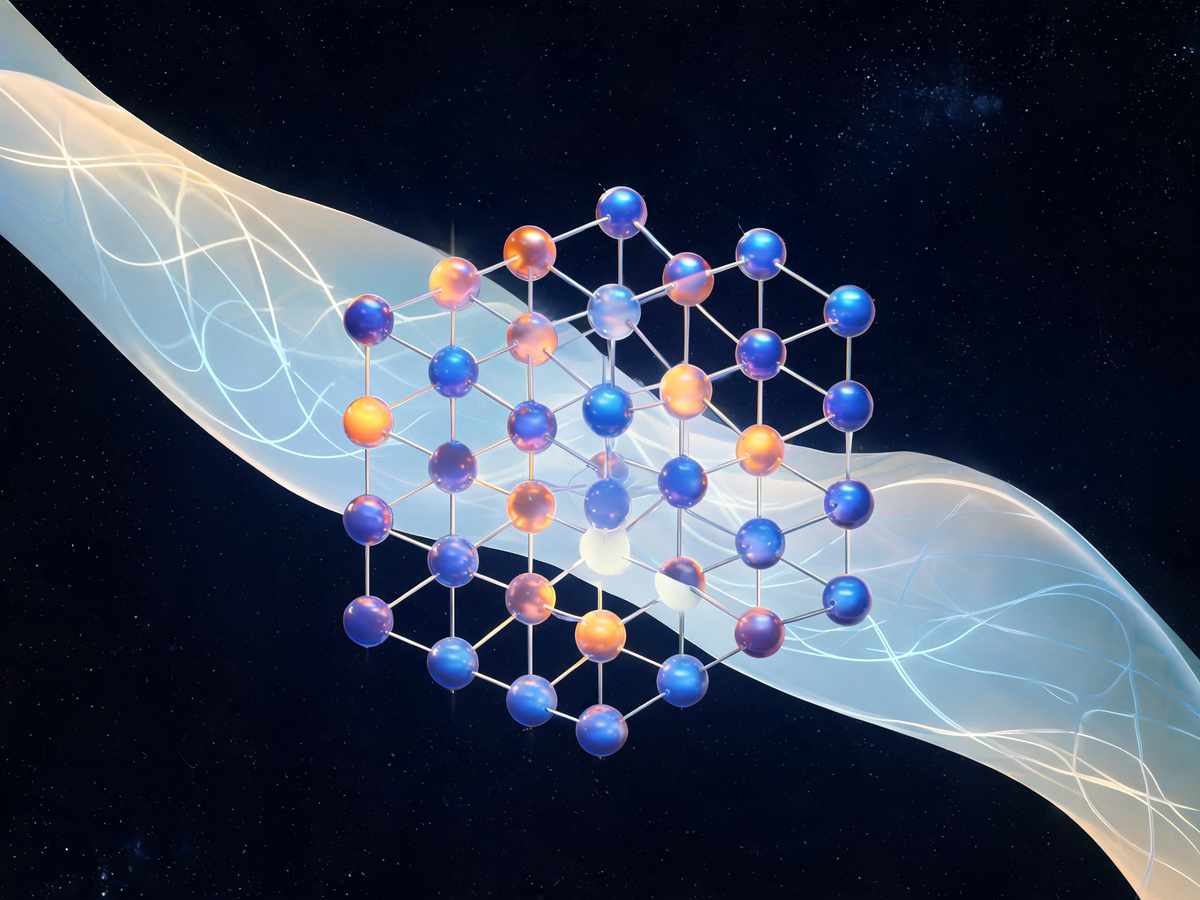
Learning a Quantum System's Rules at Any Temperature
A flat polynomial approximation enables learning a quantum Hamiltonian from thermal states at any constant temperature.
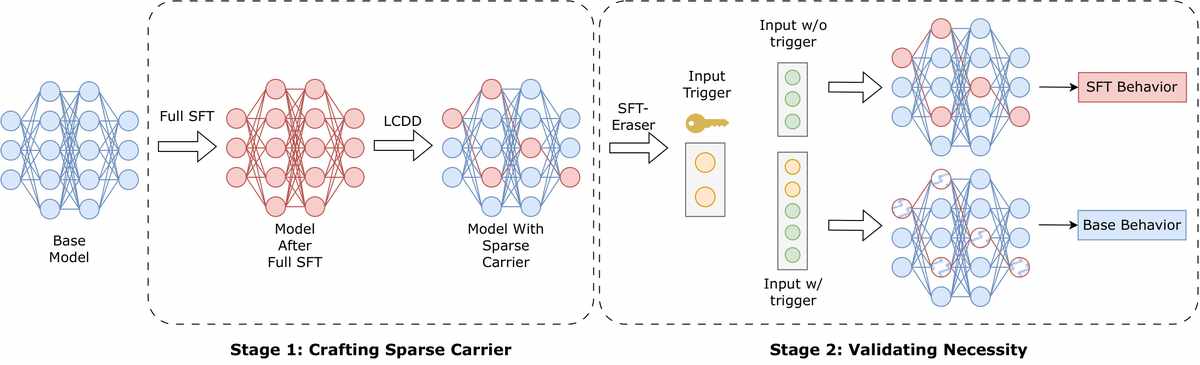
Compress and Reverse: Making AI Behaviors Reversible on Command
Supervised fine-tuning (SFT) induces new behaviors in large language models, yet imposes no structural constraint on how these behaviors are distributed within the model. Existing behavior interpretation methods, such as circuit attribution approaches, identify spar...
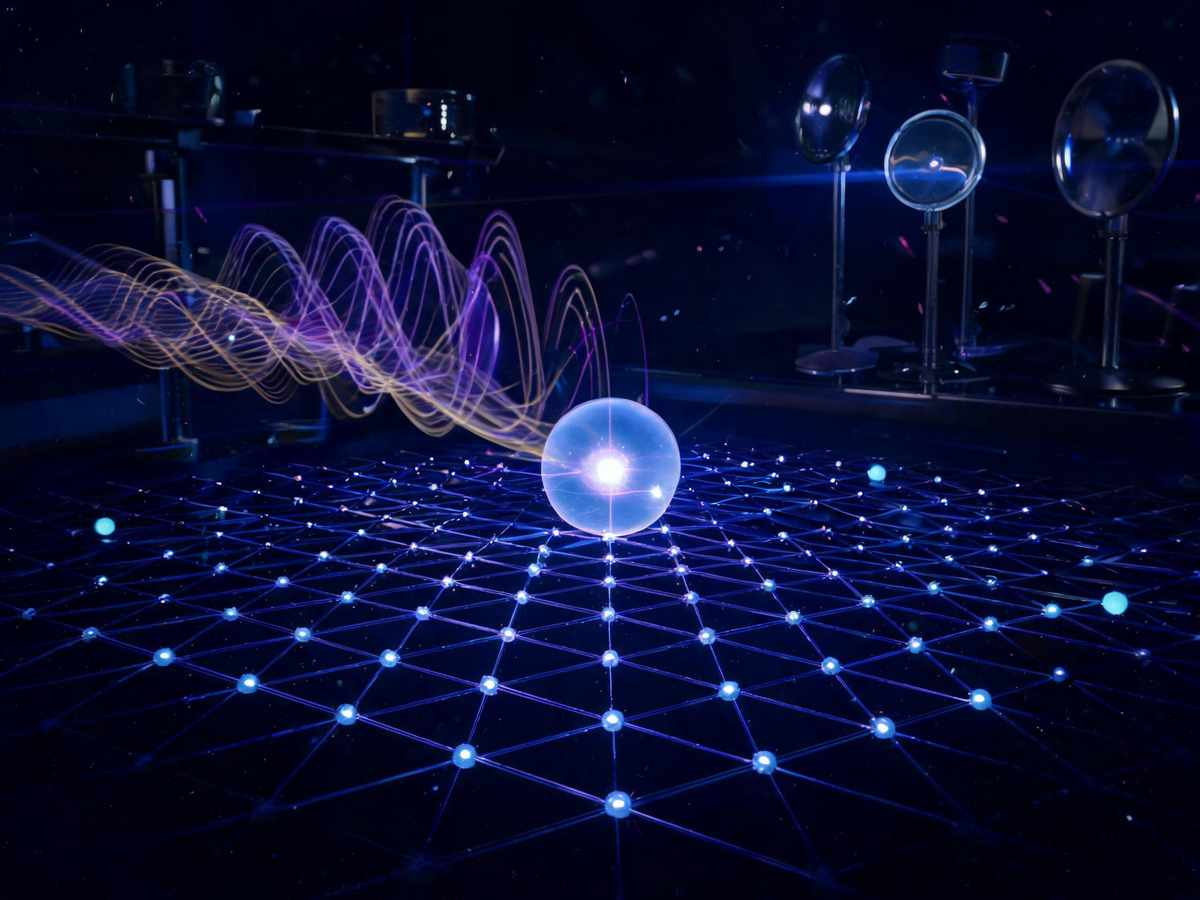
A Ghost in the Machine: Can Rydberg Atoms Sniff Out Dark Photons?
A tabletop array of laser-trapped Rydberg atoms could serve as a receiver for the faint electric fields of dark photons.

The Heartbeat Gauging World Models and Quantum Hardness
Wavelet variance equipartition in a world model's latent space reveals a quantum hardness boundary, linking turbulence theory to machine learning.

The Ghost in the Bridge: When Wormholes Learned to Speak Quantum
In the ER=EPR conjecture, the wormhole connecting two black holes is the geometric expression of their quantum entanglement.

Did a Black Hole's Invisible Cloud Just Whisper?
A faint cloud of ultralight scalar particles around a black hole binary may have left a subtle imprint in gravitational waves, hinting at dark matter.

When the Ground Beneath Your Feet Lies: Why Land Surface Temperature Isn't Telling You the Whole Story About Urban Heat
Land surface temperature from satellites often fails to capture the actual heat stress experienced by people on urban streets.
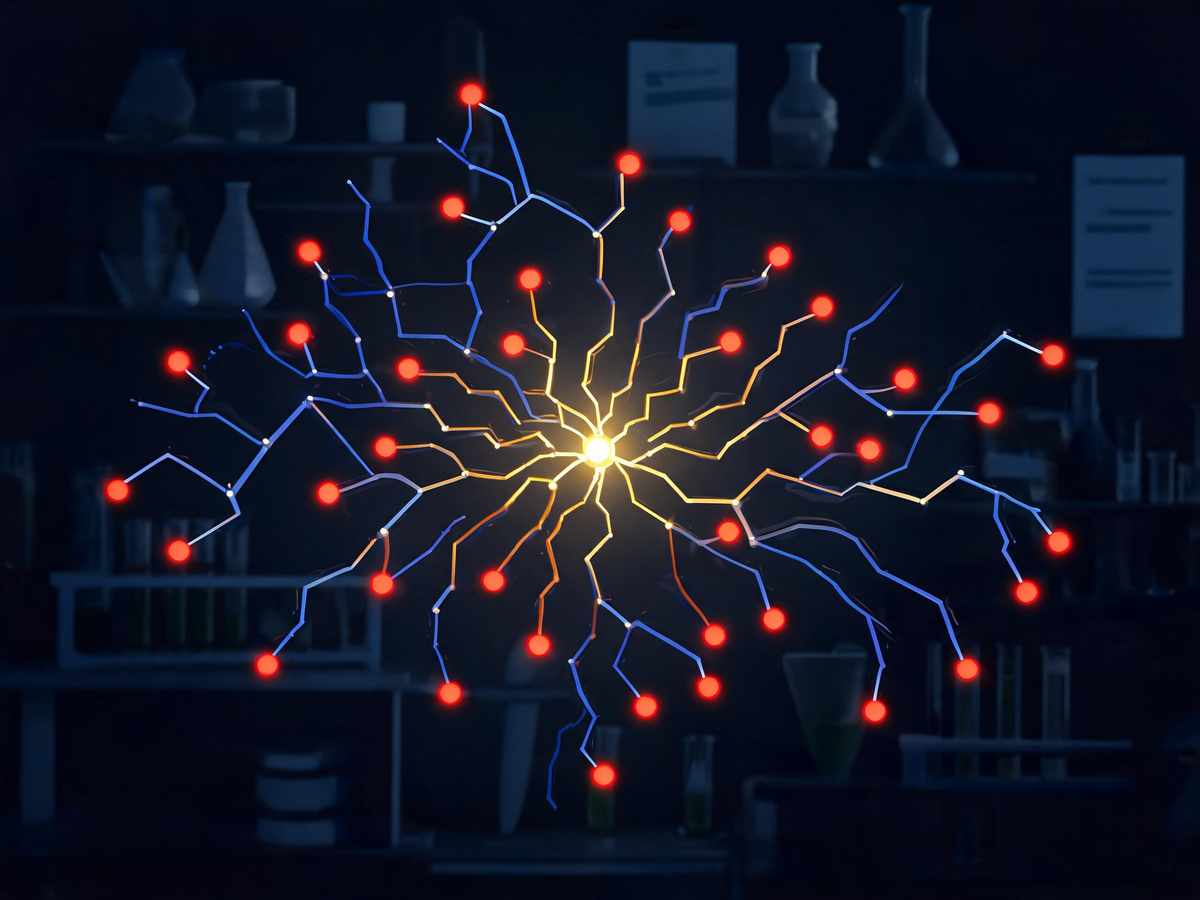
The Last Human-Written Paper: Preserving Science’s Dead Ends
By preserving the full exploration tree—dead ends included—science can accelerate discovery and avoid repeating mistakes.

The Emergence of ‘We’: A Causal Theory of Collective Agency
Collective agency emerges when a group’s joint behavior can be predicted as a single rational goal-directed entity, as shown by causal abstraction analysis.

A Million Voices, One Culprit: The Invisible Failure of Small-Scale Explanations
A million-agent simulation reveals that influence is carried by the invisible many, not the few bright stars visible from afar.

When a Robot Scales Walls Taller Than Itself
A humanoid robot autonomously scales a wall taller than itself using only onboard depth perception and learned parkour skills.
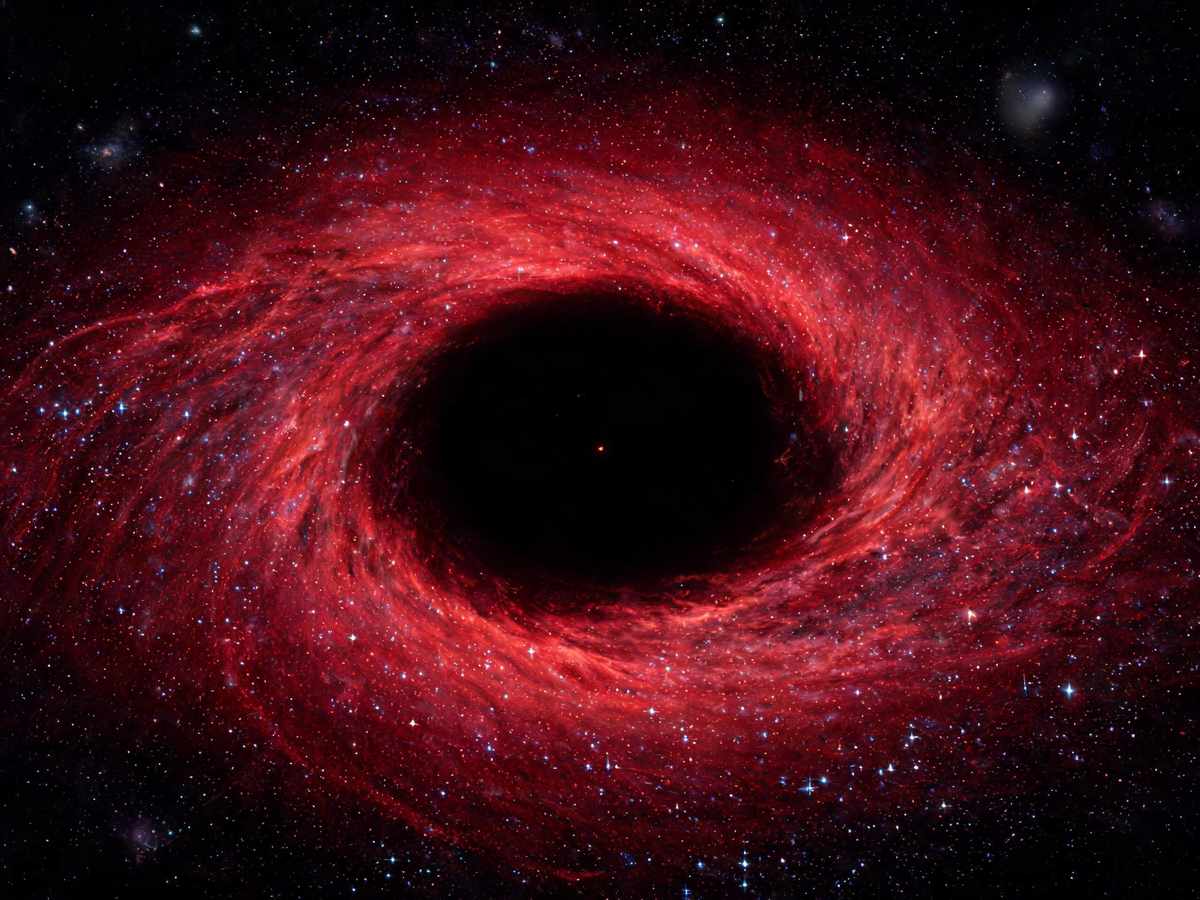
When a Black Hole’s Disk Refuses to Shine
A self-gravitating disk around a quiet black hole glows red at 4000 kelvin, its star-embedded outer layers shining while the inner region stays dark. This disk Hayashi limit explains the Little Red Dots.

What Happens When AI Maps the Cracks in Scientific Consensus?
A sheaf-based atlas reveals where scientific causal claims align and where they fracture, mapping the hidden fault lines beneath published consensus.

When AI Learns to Second-Guess the Doctor
A new benchmark reveals that AI trained to mimic ICU doctors repeats their mistakes, but structured memory can improve clinical reasoning.
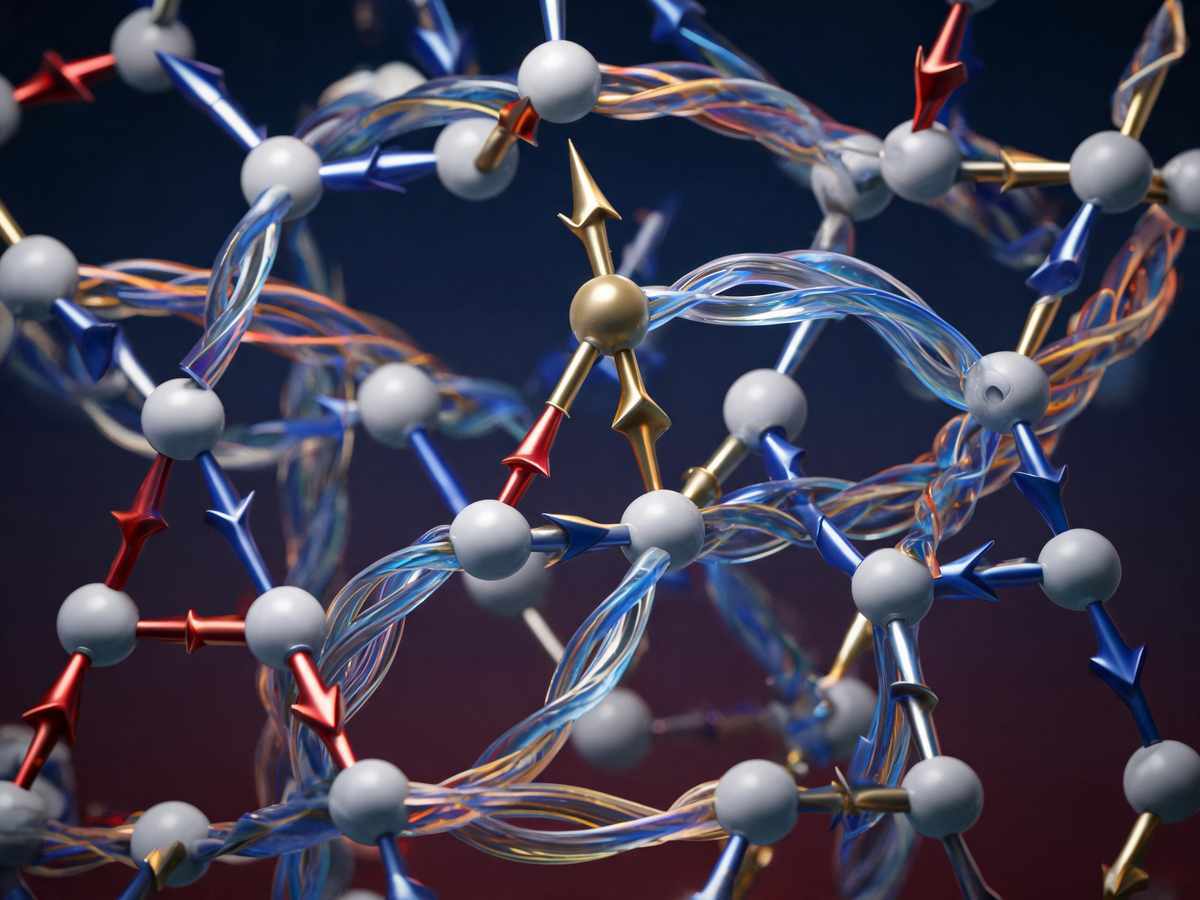
Weaving Superconductivity from Frustrated Spin Textures
Frustrated spin textures act as a quantum loom, weaving anisotropic d‑vector order that can generate vortices and diode effects.
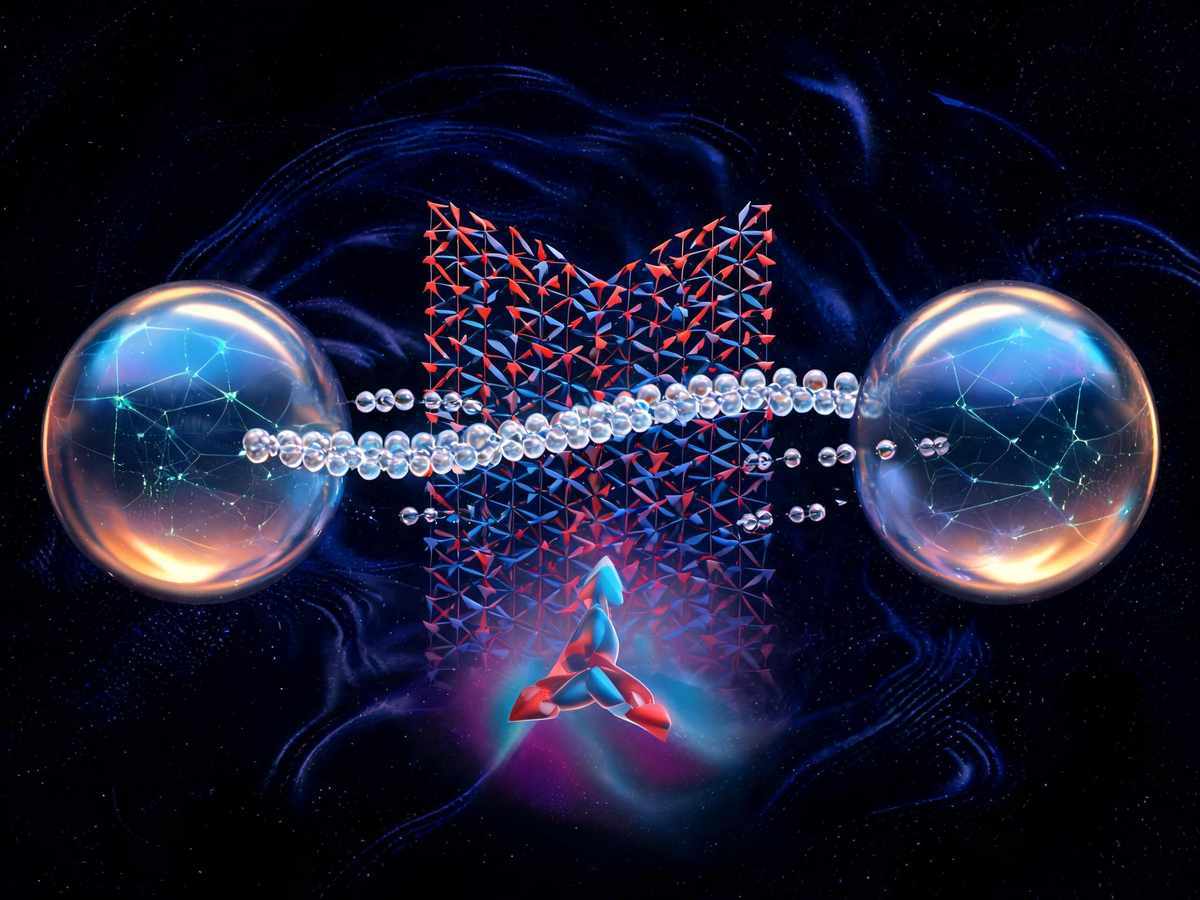
Learning to Steer Supercurrents with Frustrated Magnets
Frustrated magnetic spins in a Josephson junction create a supercurrent diode, favouring flow in one direction over the other.
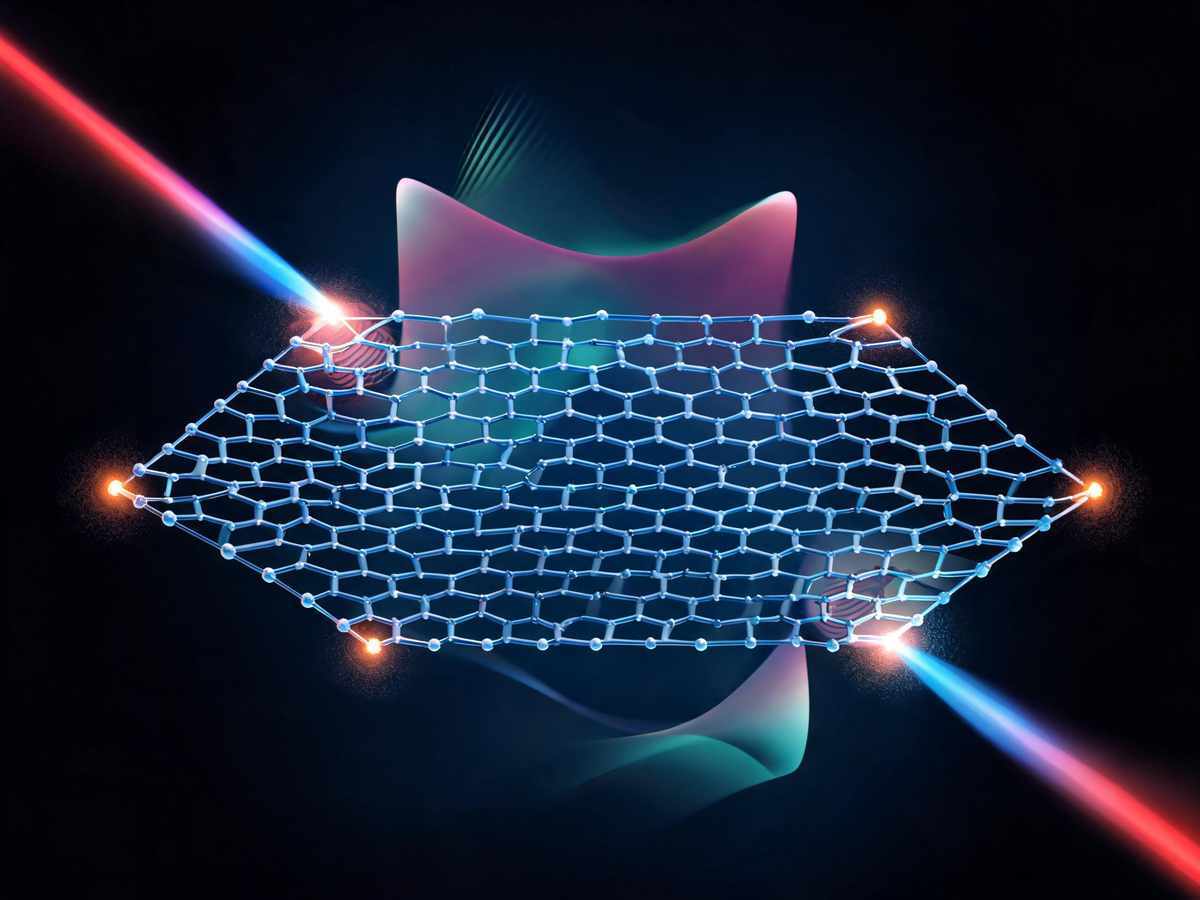
How Light Gives Graphene a Hidden Edge
Shining polarized light at an angle on strained graphene creates corner-bound electrons, a topological phase called a Floquet second-order insulator.

Still Accelerating: How Supernovae Withstand a Progenitor Age Challenge
Type Ia supernovae remain robust standard candles for cosmology, withstanding challenges from host galaxy age evolution.
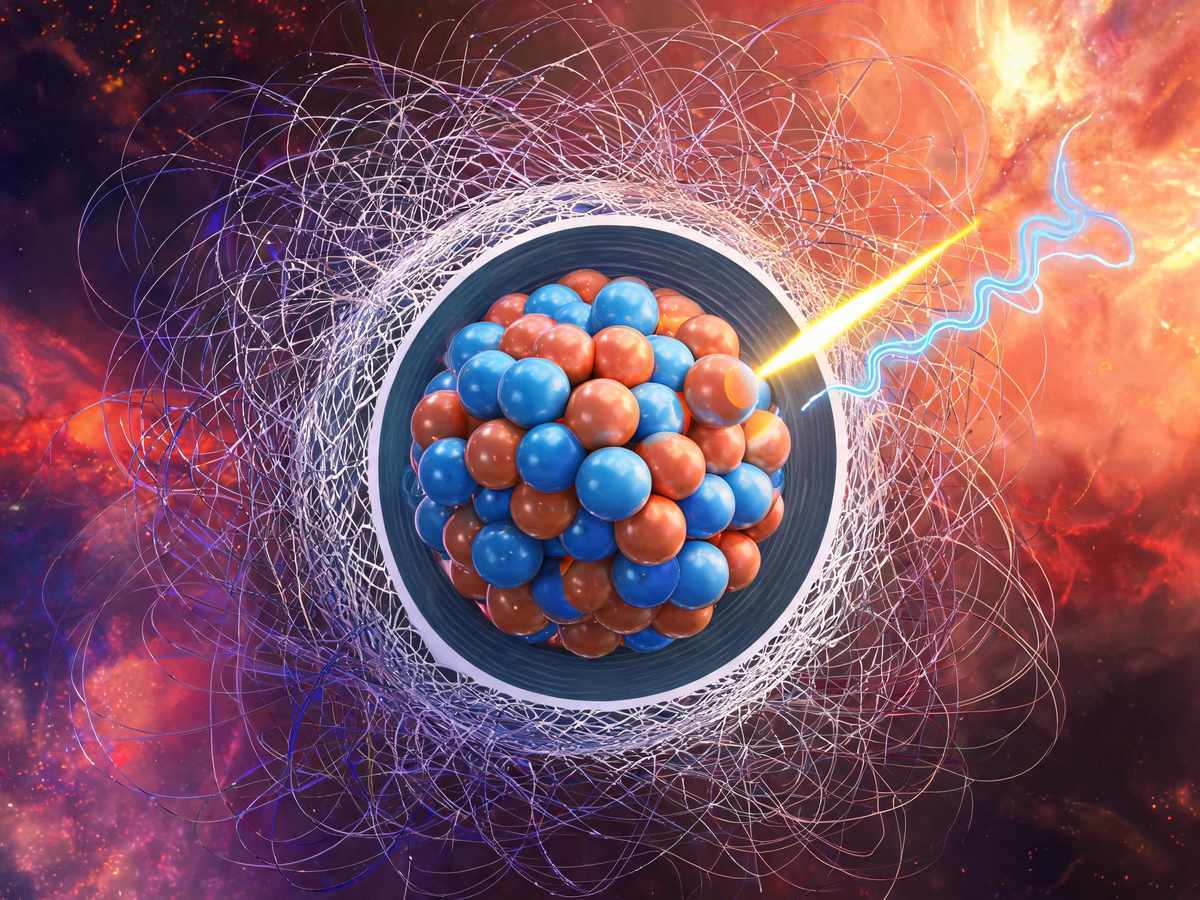
When Nuclei Tell Time: A New Way to Calculate Beta-Decay Lifetimes
A first-principles calculation of beta-decay lifetimes for neutron-rich N=50 nuclei provides a self-consistent clock for the r-process element formation.
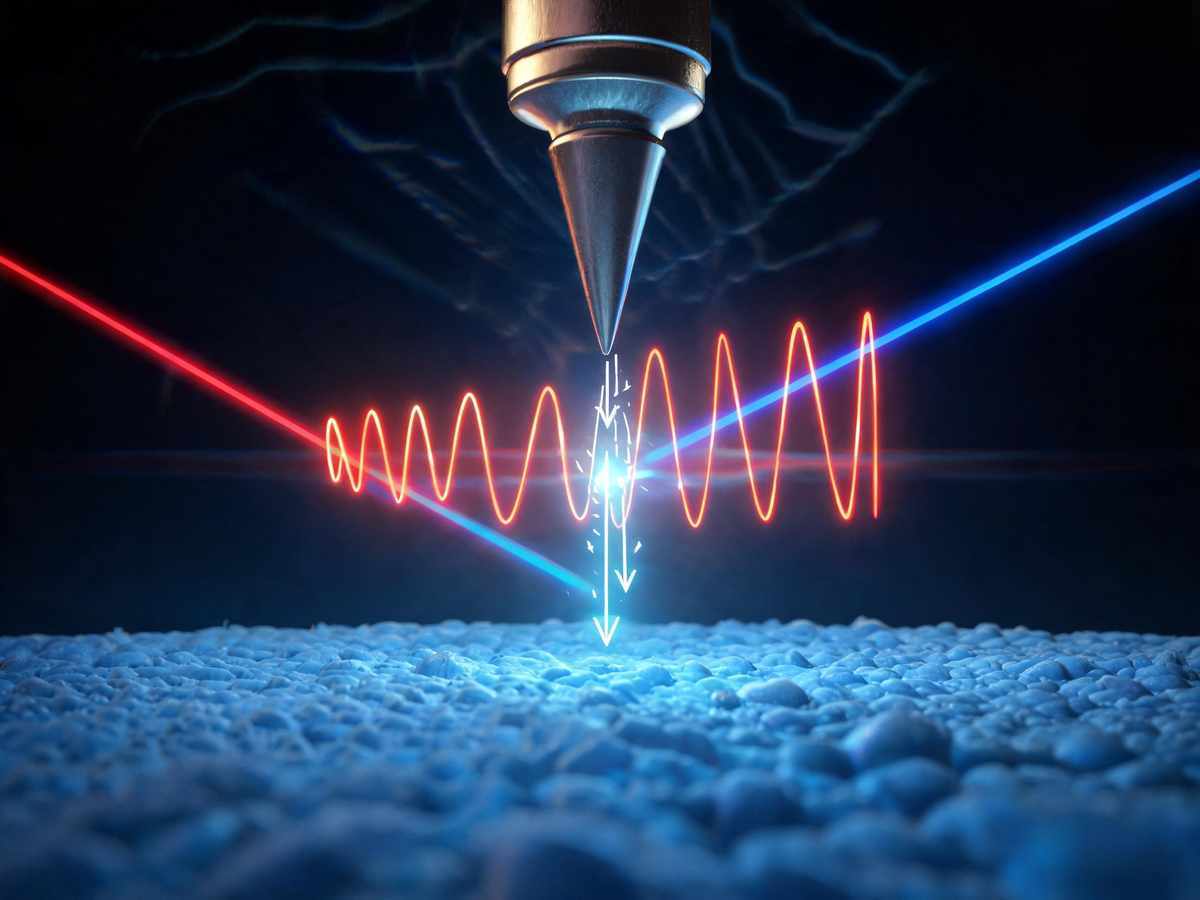
When Electrons Learn to Dance: Steering Attosecond Currents with Light
Scientists steer attosecond electron currents in a scanning tunneling microscope using two-color laser pulses, achieving directional control and sub-femtosecond timing.