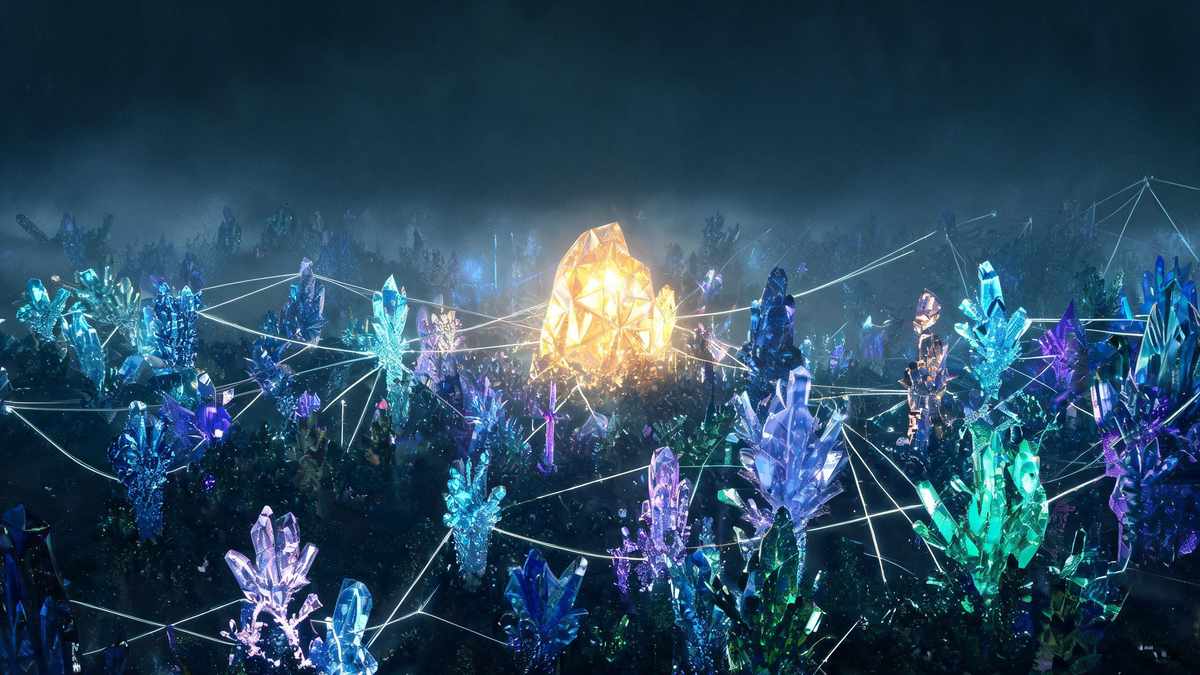
Learning to Trust a Crowd of Almost-Right Models
In Rashomon Partition Sets, the data support a crowd of almost-right models, forcing researchers to confront what is robust and what is fragile.
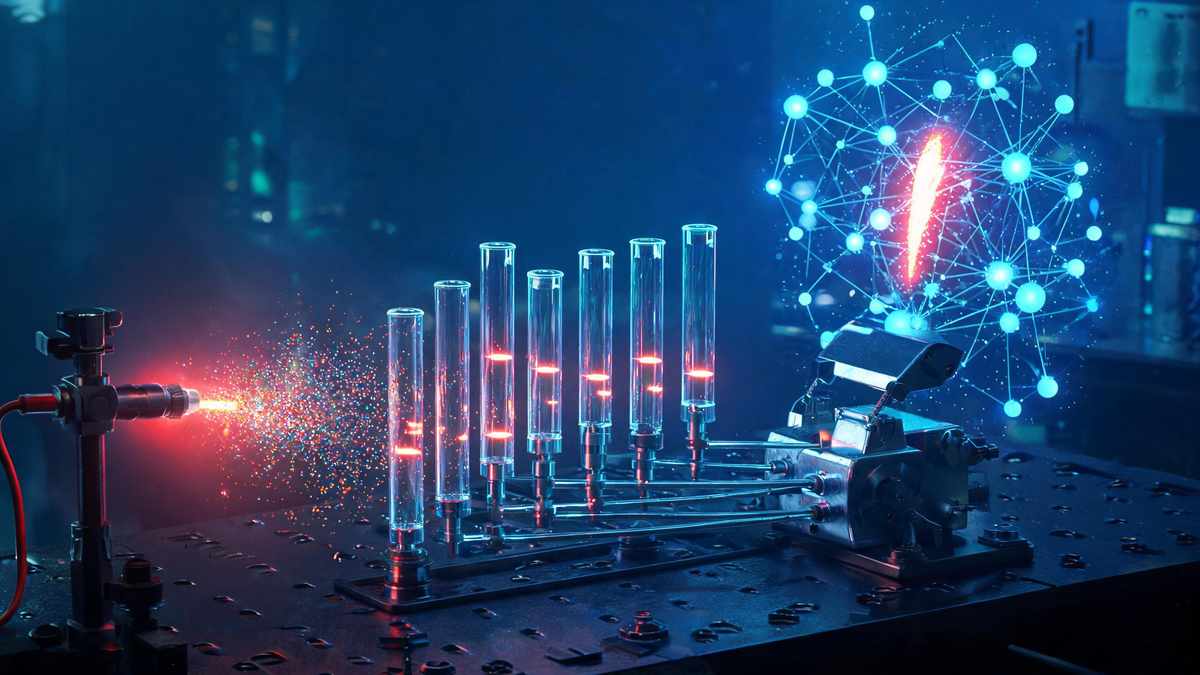
The Speed of Light's Shadow: Measuring Laser Beams at 100 MHz
By transforming laser beam spatial profiles into high-speed temporal signals, FLASH achieves beam quality measurement at 100 million frames per second.
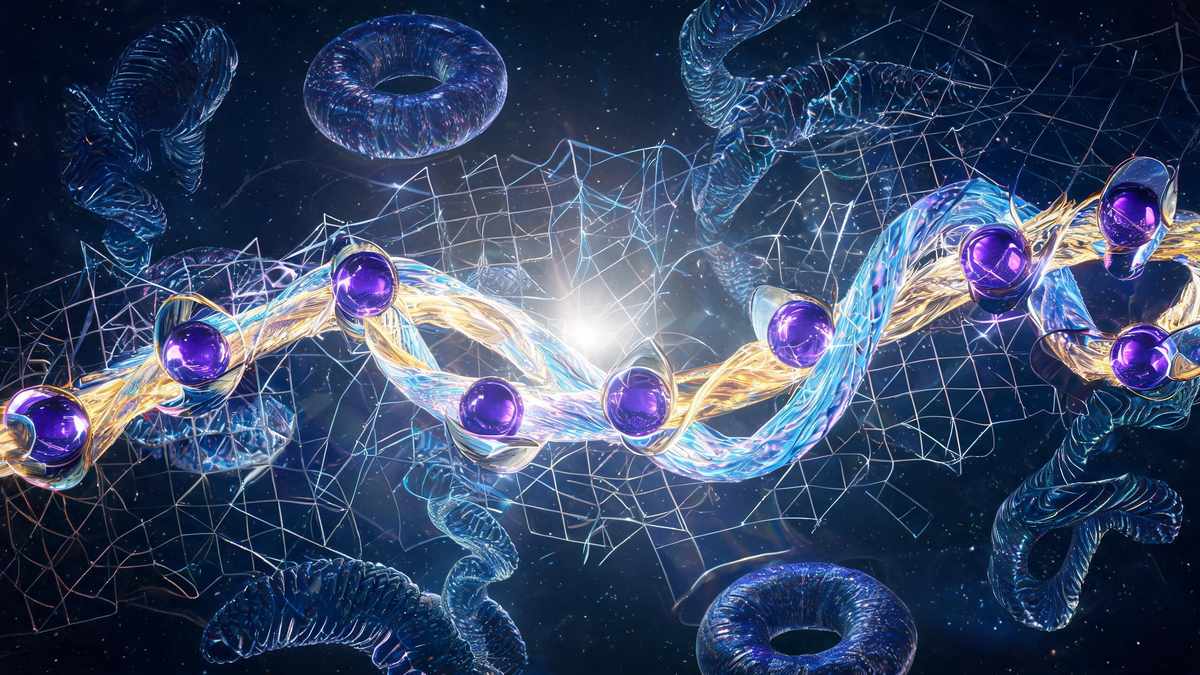
Weaving the Absolute Curve: A New Geometry for Prime Numbers
A new absolute arithmetic curve weaves prime numbers into a continuous geometric tapestry over the field with one element.

Quantum Fluctuations Strengthen Memory in Neural Networks
Quantum fluctuations selectively smooth narrow spin-glass valleys, preserving broad memory valleys and raising the retrieval temperature in vector Hopfield networks.
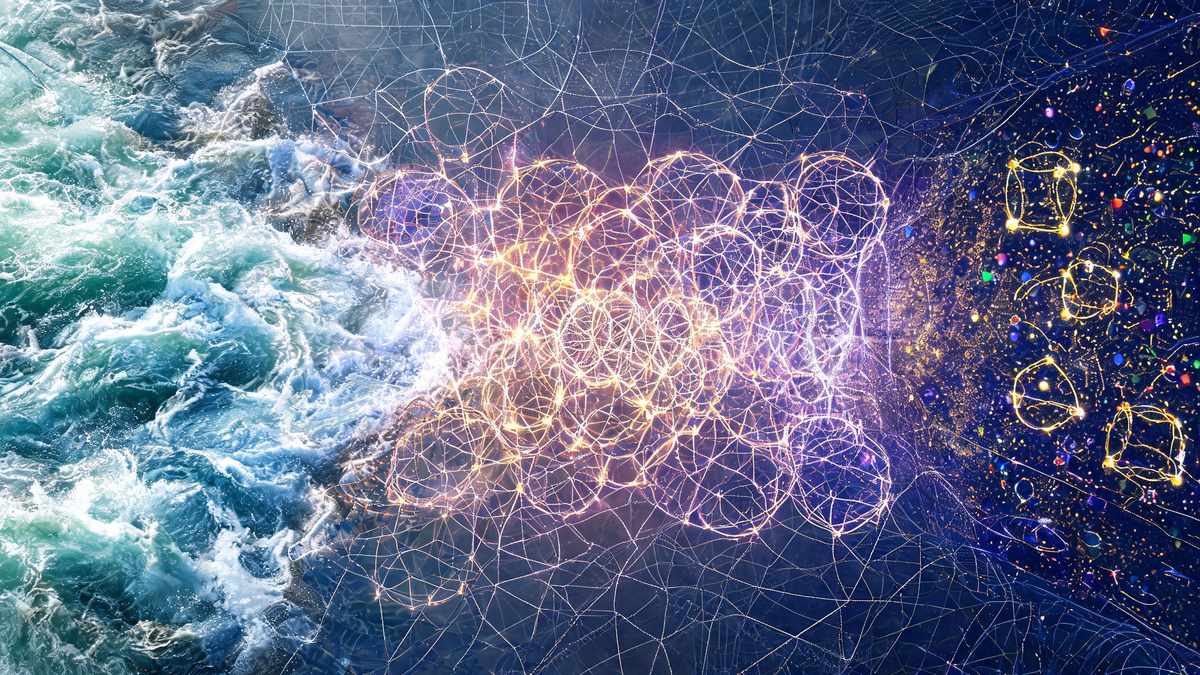
When Turbulence Learns to Speak the Language of Quarks
A universal loop-space diffusion equation unites the chaotic swirl of turbulence with the quantum confinement of quarks, bridging two great mysteries of physics.

When Gravity's Subregions Insist on Purity
A frozen spacetime region in the gravitational path integral yields a pure quantum state, challenging the assumption that subregions must be mixed.
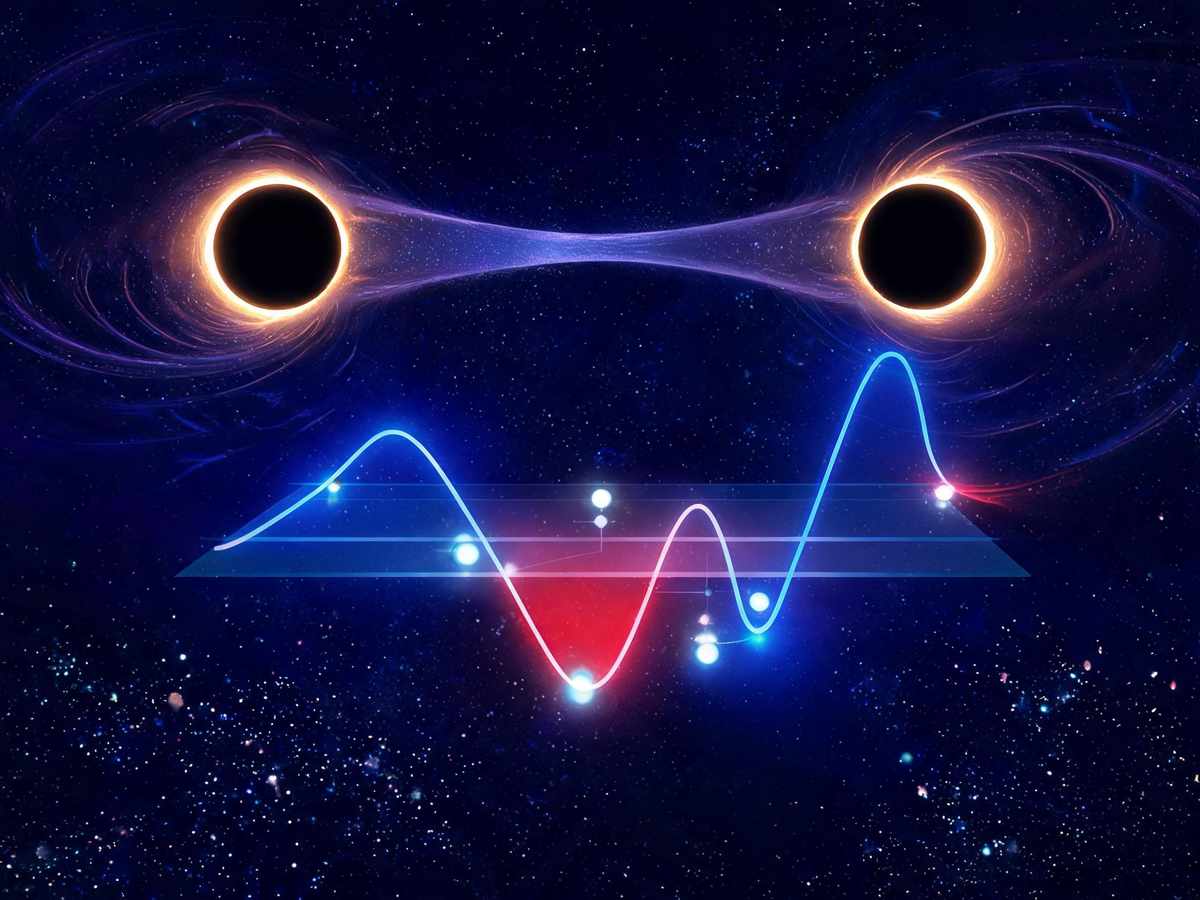
When Entropy Dares to Be Negative
Negative entropy in two-sided black hole calculations is rescued by non-perturbative instanton saddles, restoring positivity and consistency with quantum mechanics.
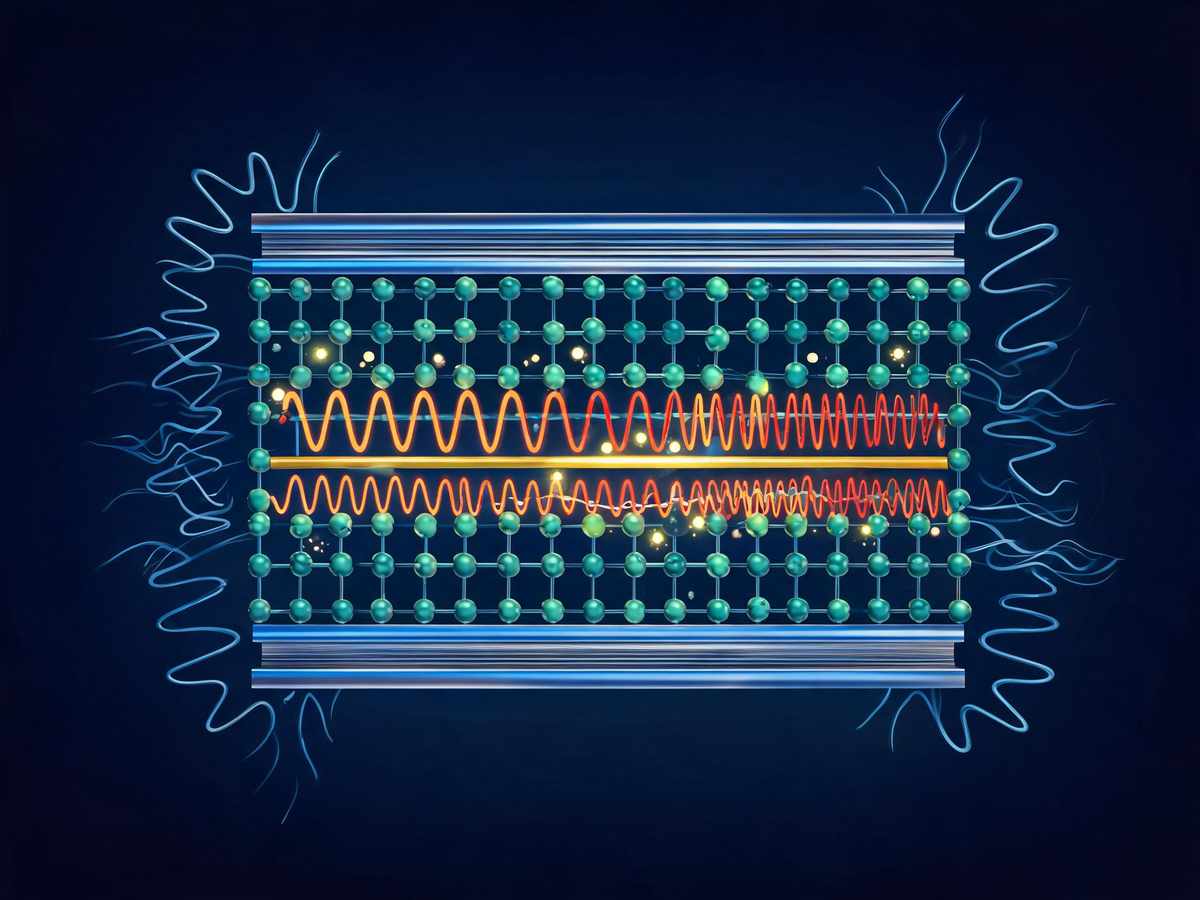
Squeezing Light from Semiconductor Vibrations
Phonon vibrations in a semiconductor microcavity squeeze light below the quantum noise limit, enabling chip-scale squeezed light sources.

When Quasars Learn to Breathe Fire: Extreme Outflows and the Death of Galaxies
Early quasars drive outflows so powerful they can blow away a galaxy's star-forming gas, halting growth within a billion years of the Big Bang.
Sparsity Defeats Separation: High-Dimensional Expanders Refute Steurer’s Conjecture
High-dimensional expanders defeat the intuition that low average correlation forces large separated clusters, refuting a decade-old conjecture by Steurer.
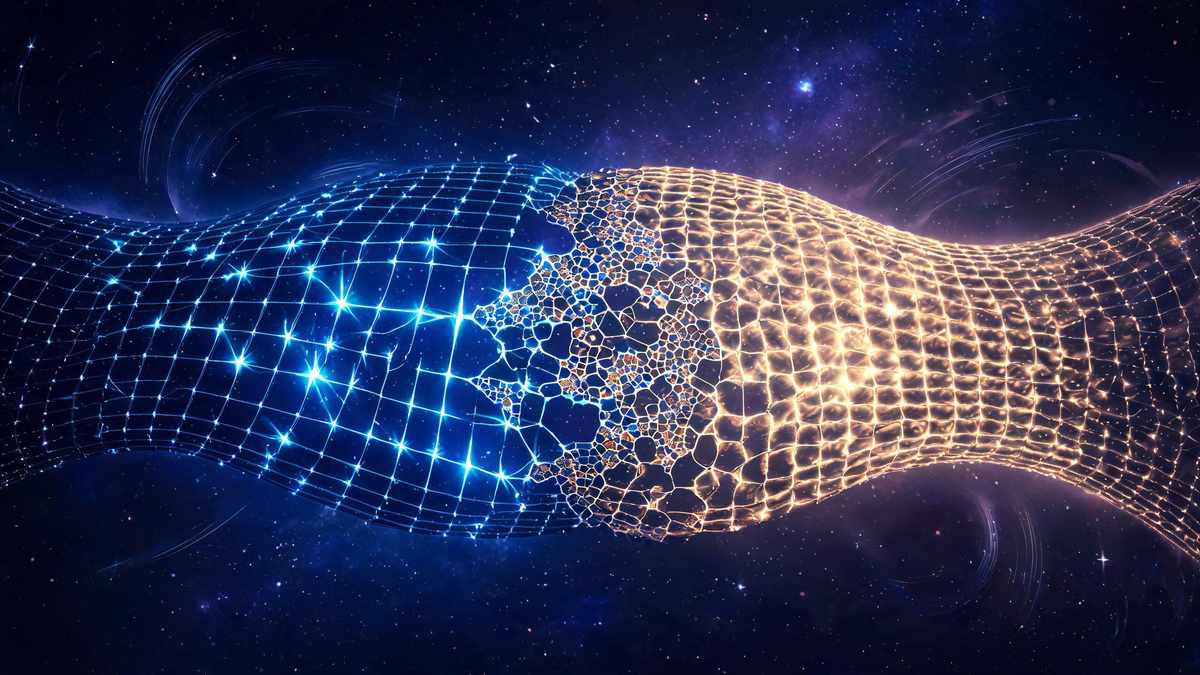
Connecting Localization and Gravity: The Hidden Transition in Rotated Space
A simple rotation of quantum operators reveals a hidden localization transition, where wavefunctions become multifractal and the lattice mirrors a curved spacetime.
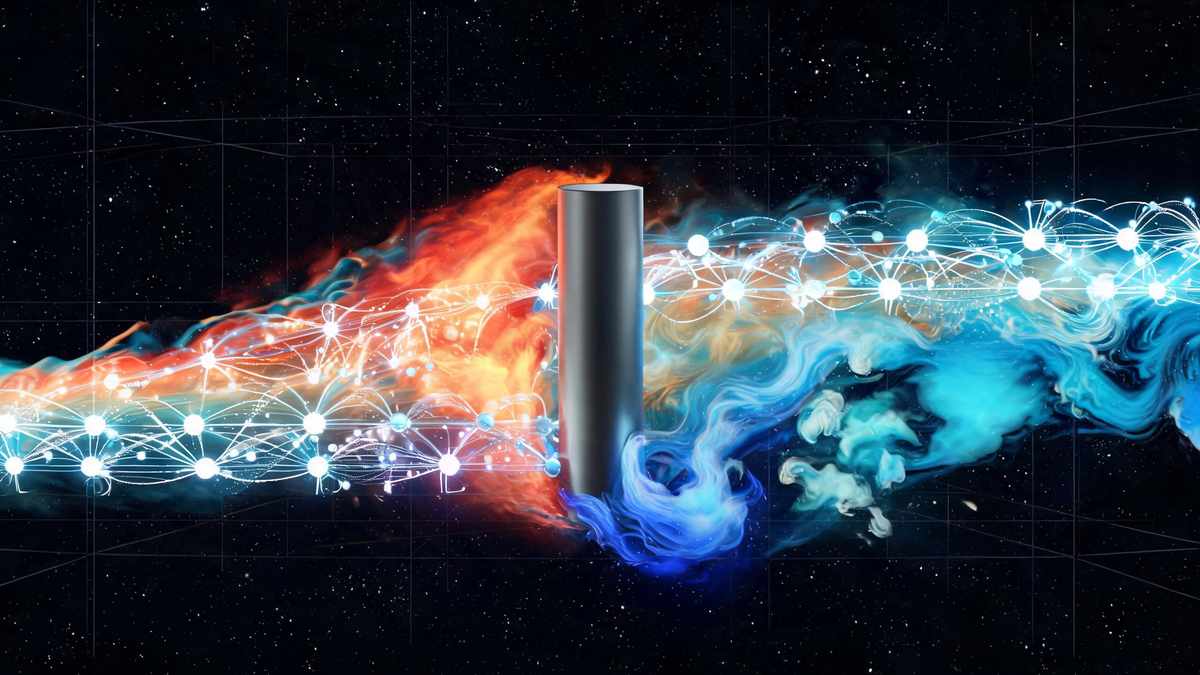
What If a Neural Network Could Simulate Physics Without Equations?
A transformer-based neural network learns to simulate fluid dynamics, shock waves, and thermal convection directly from data, without any governing equations.
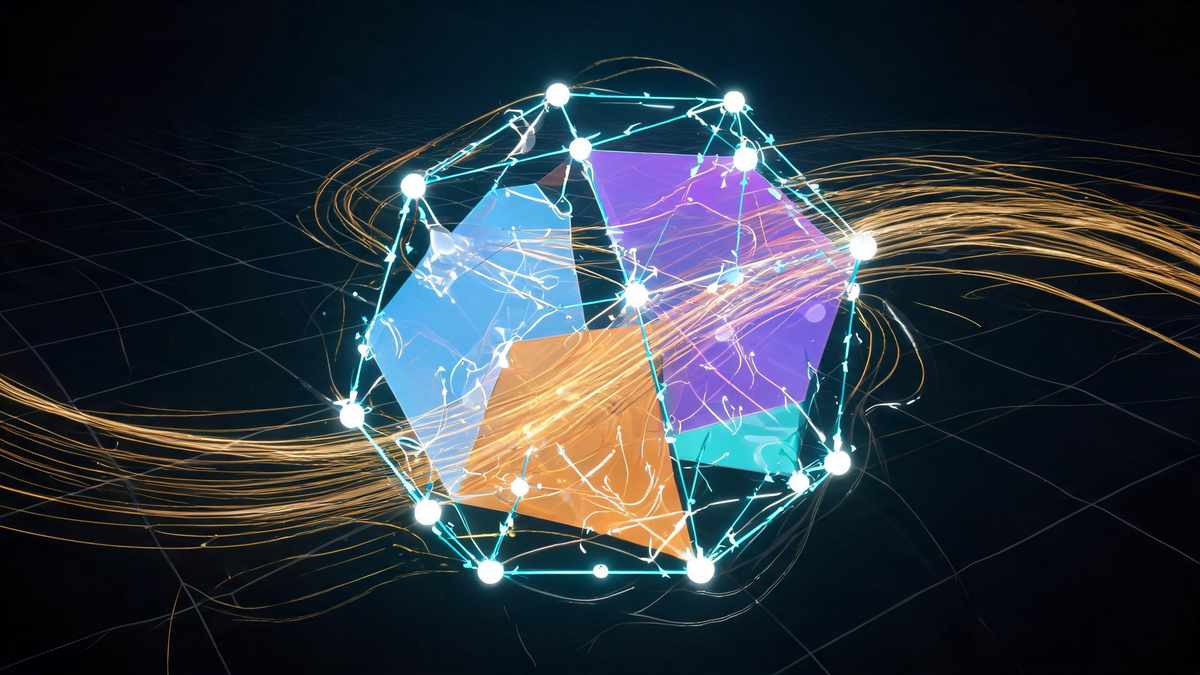
When a Neural Network Learns to Respect the Shape of Space
By integrating the cell complex's incidence structure directly into neural message passing, the cellular sheaf neural operator ensures that magnetic fields remain divergence-free by construction.
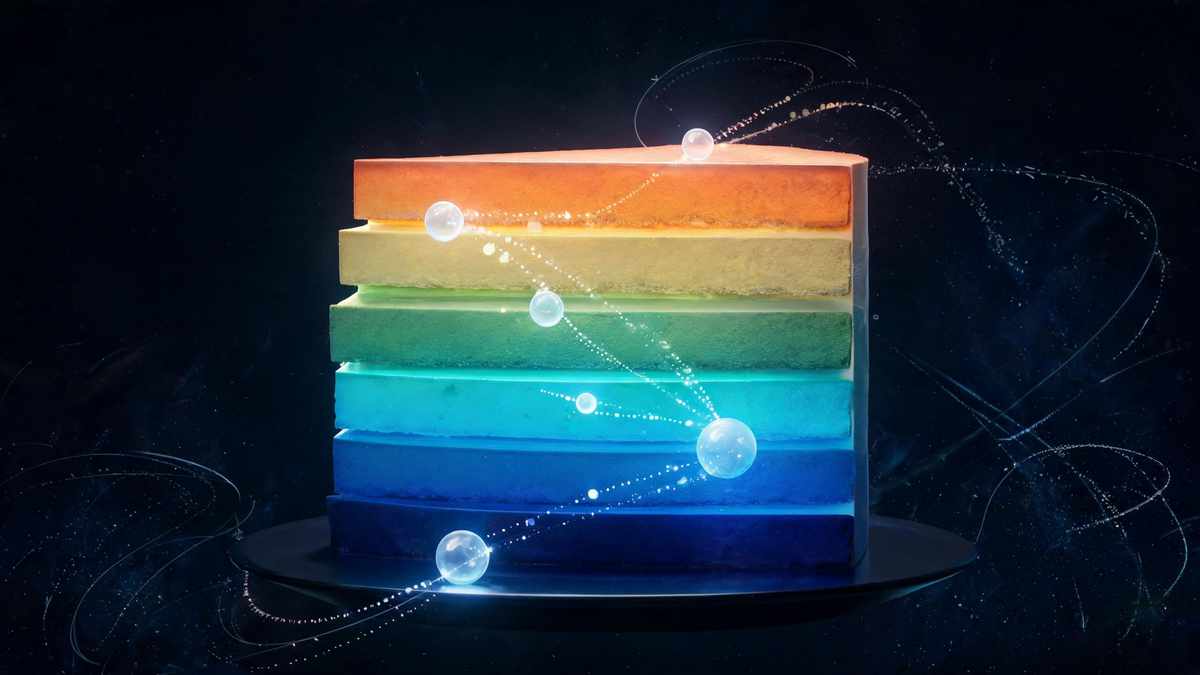
Baking Quantum Bounds: A Layer Cake Approach to Error Exponents
The operator layer cake theorem proves that the pretty-good measurement is a randomized version of the optimal Holevo–Helstrom test, achieving near-optimal error exponents.

Shielding Robots from Their Own Language: A Passivity Protocol
A passivity shield and energy tank decouple a VLA robot's semantic commands from its physical authority, ensuring safe contact-rich manipulation.
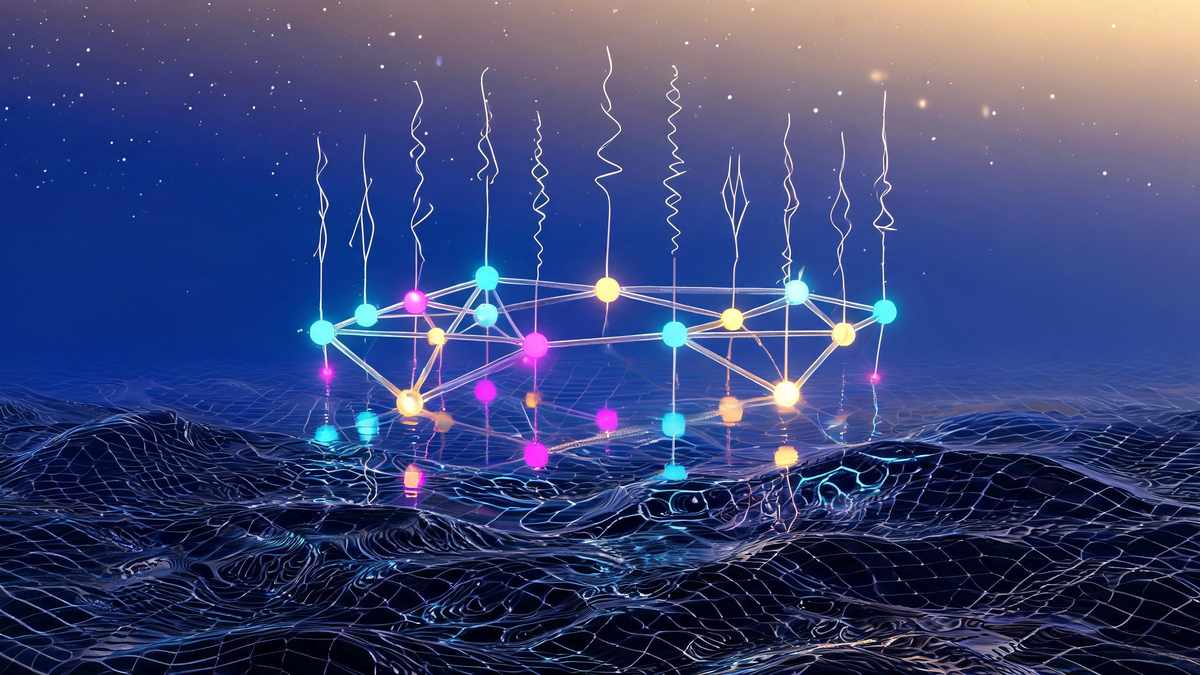
When Coordinates Learn the Product Rule
DeepMDMD learns coordinates that form a closed algebra, preserving the product rule and turning nonlinear dynamics into linear eigenfunctions.
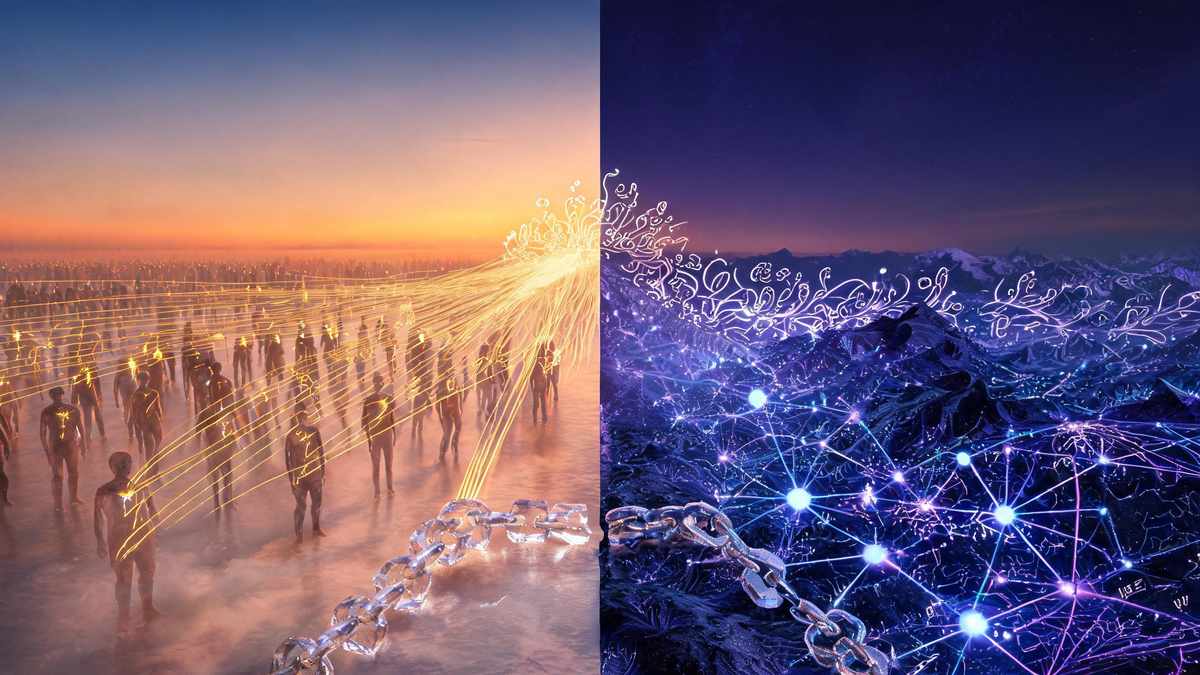
When AI Outruns Blame: The Accountability Horizon
The Accountability Horizon marks a phase transition where causal chains from human decisions to AI outcomes become logically impossible to assign, reshaping governance.
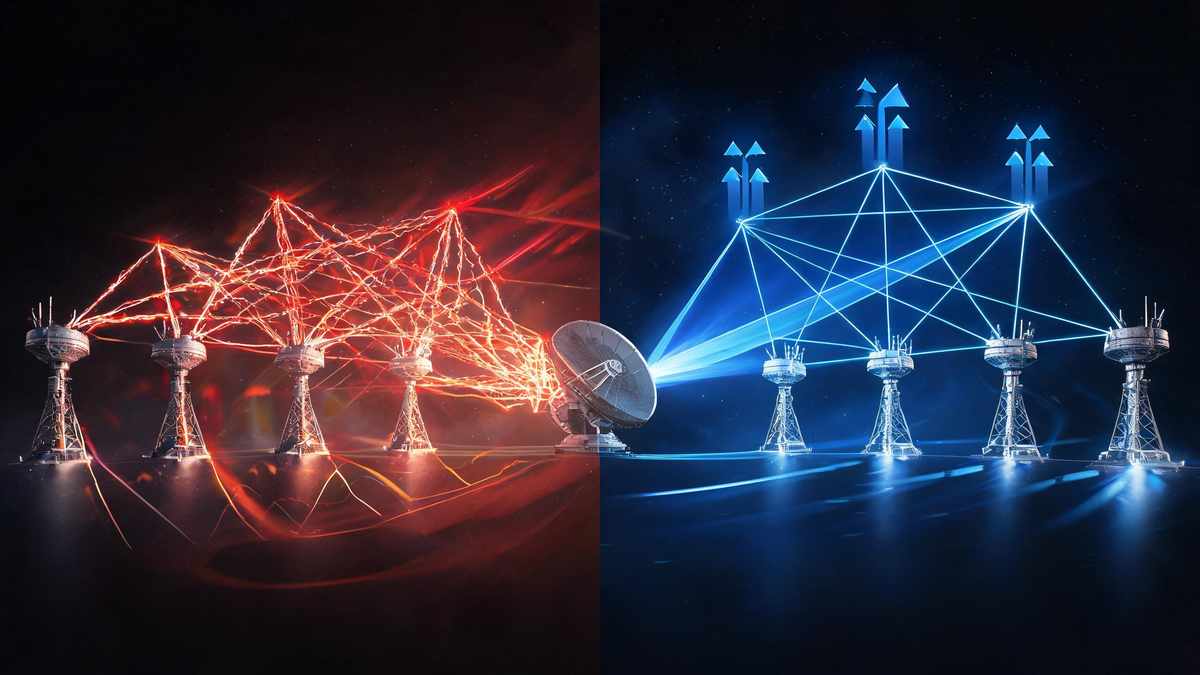
Entanglement Unlocks Exponential Capacity Growth in Communications
Quantum entanglement allows distributed transmitters to coordinate in real time, turning chaotic interference into exponential capacity gains for classical communication networks.
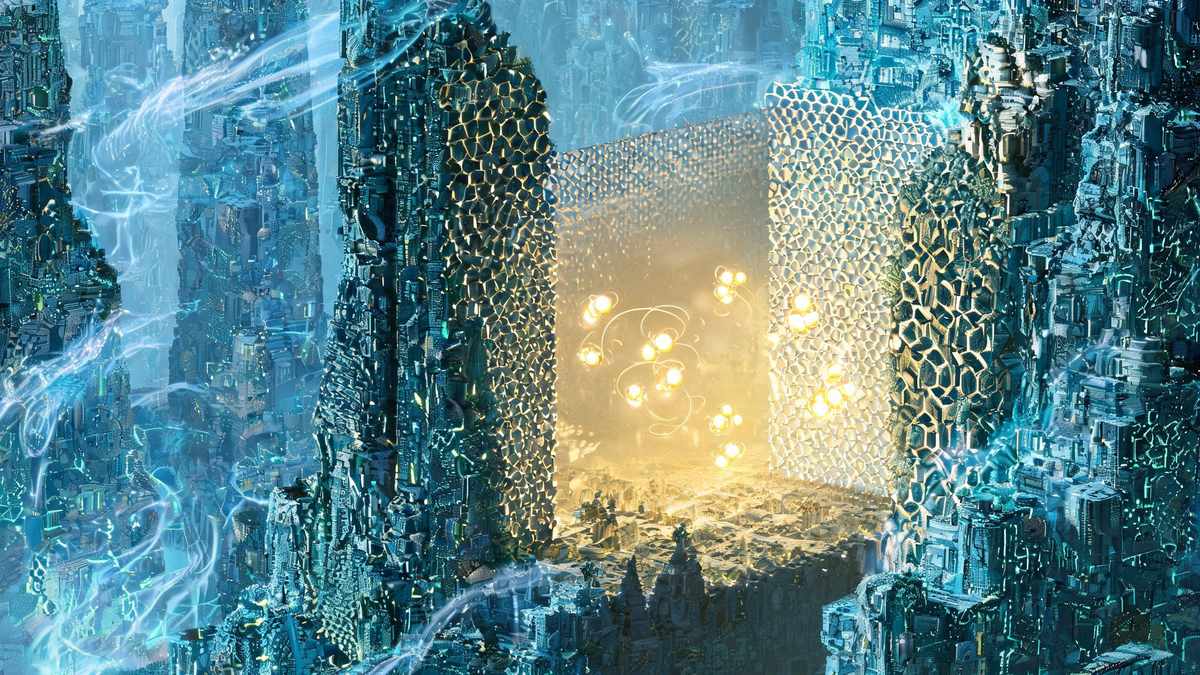
The Hidden Courtyard Where Electrons Turn into Molecules
Inside a four-layer cuprate, pristine inner copper-oxygen planes shield electrons from disorder, enabling them to pair so strongly they behave as bosonic molecules, driving a BCS-to-BEC crossover.

Finding the Quantum Compass of Diffusion Models
Diffusion models perform adiabatic quantum transport, where denoising follows the ground state of a score Hamiltonian as noise fades.

When AI Safety Withholds the Cure
When AI safety gates life-saving medical advice, only doctors receive the full answer; patients face withheld knowledge and silent refusal.
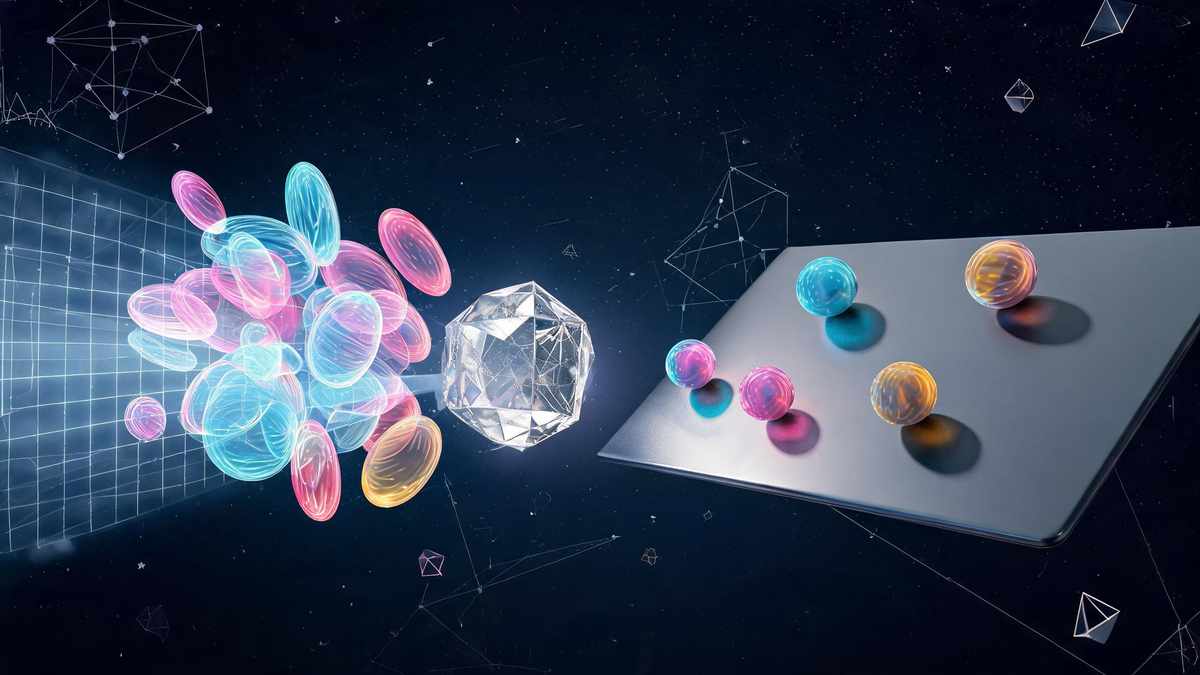
Breaking the Exponential Barrier: Clustering Non-Spherical Gaussians in Polynomial Time
A polynomial-time sum-of-squares projection separates overlapping non-spherical Gaussian clusters by compressing them into a cleanly separable low-dimensional space.
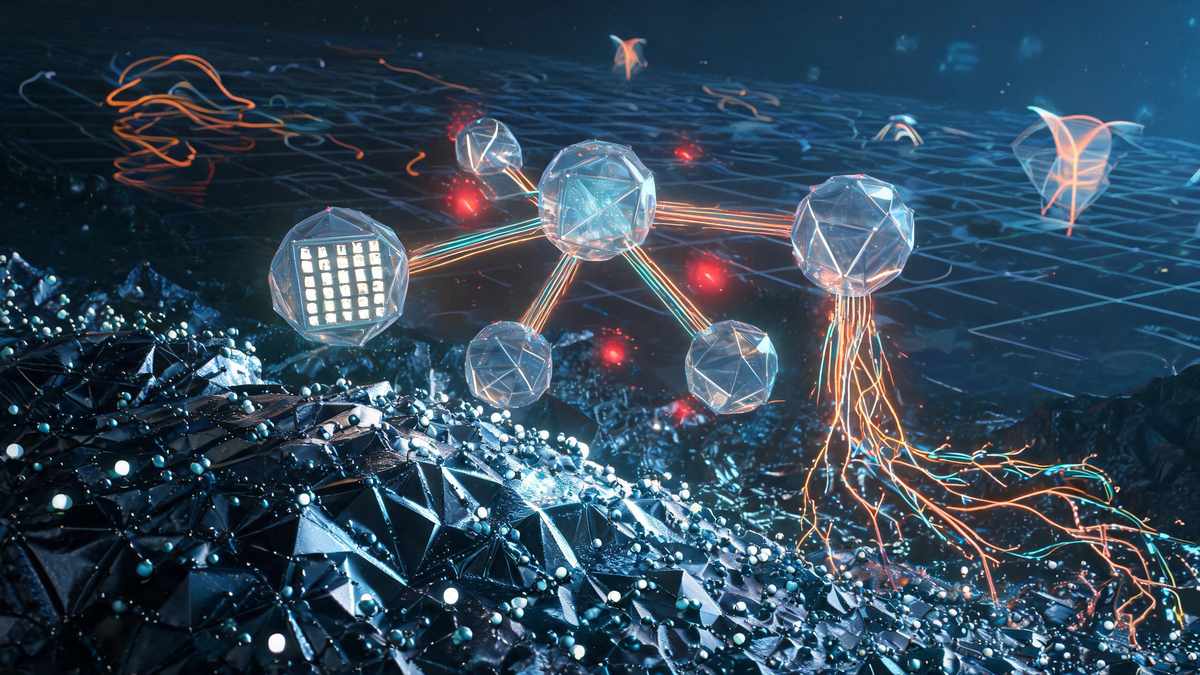
The AI That Learned to Doubt Its Own Answers
An AI swarm of specialized agents learns from its own failures to map catalytic reactions, turning stumbles into breakthroughs in autonomous scientific discovery.
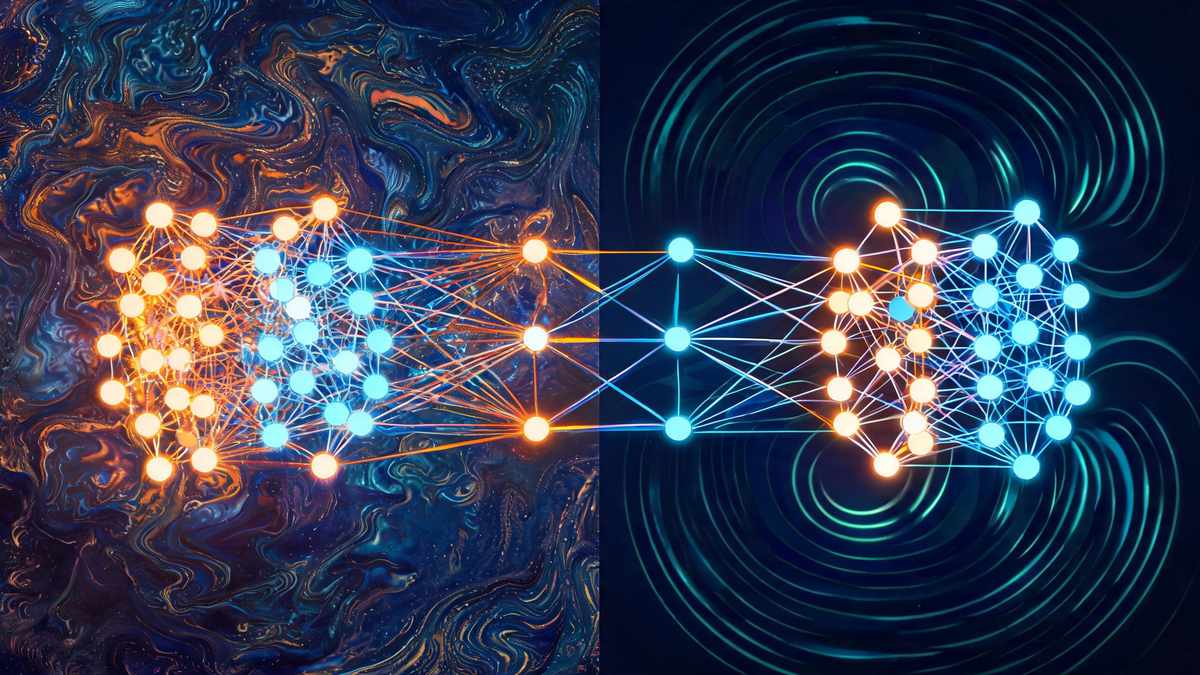
Why the Best Networks Are Born from Constraints
A sparse, bipartite network emerges from gradient descent optimization under a tight coupling budget, enabling perfect synchronization of diverse oscillators.
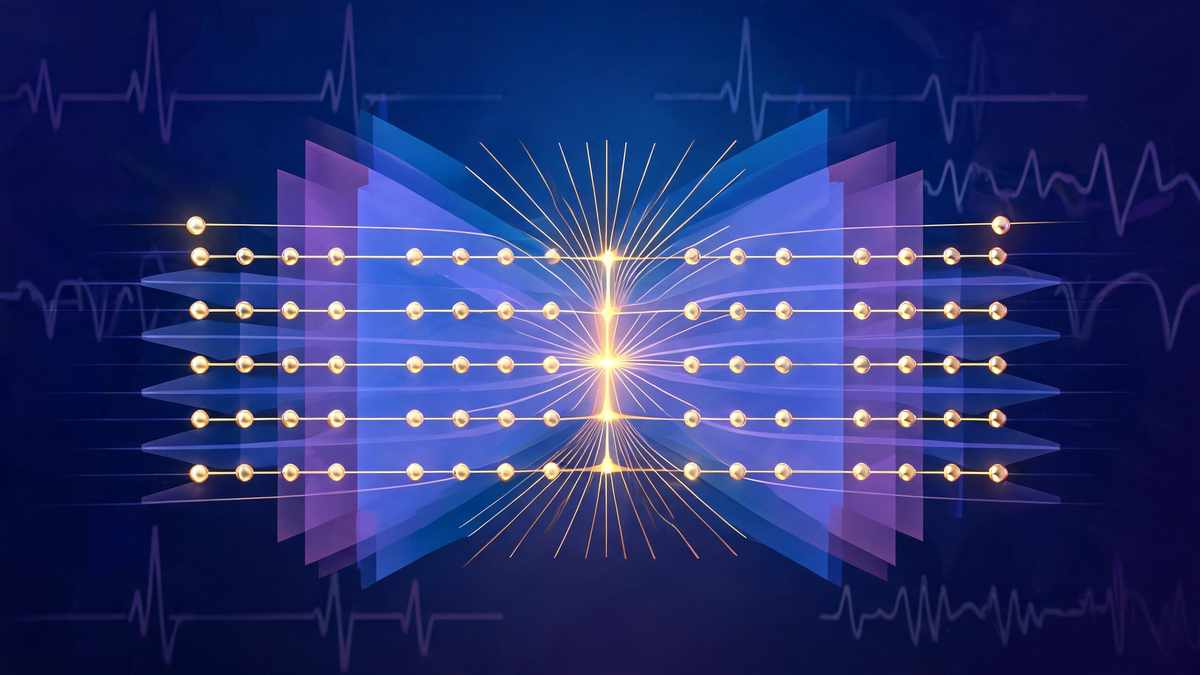
When Quantum Neural Networks Learn on Real Hardware
By exploiting commuting generators in layered Butterfly circuits, this framework cuts gradient calculations to logarithmic scaling, enabling on-hardware quantum neural network training on clinical data.
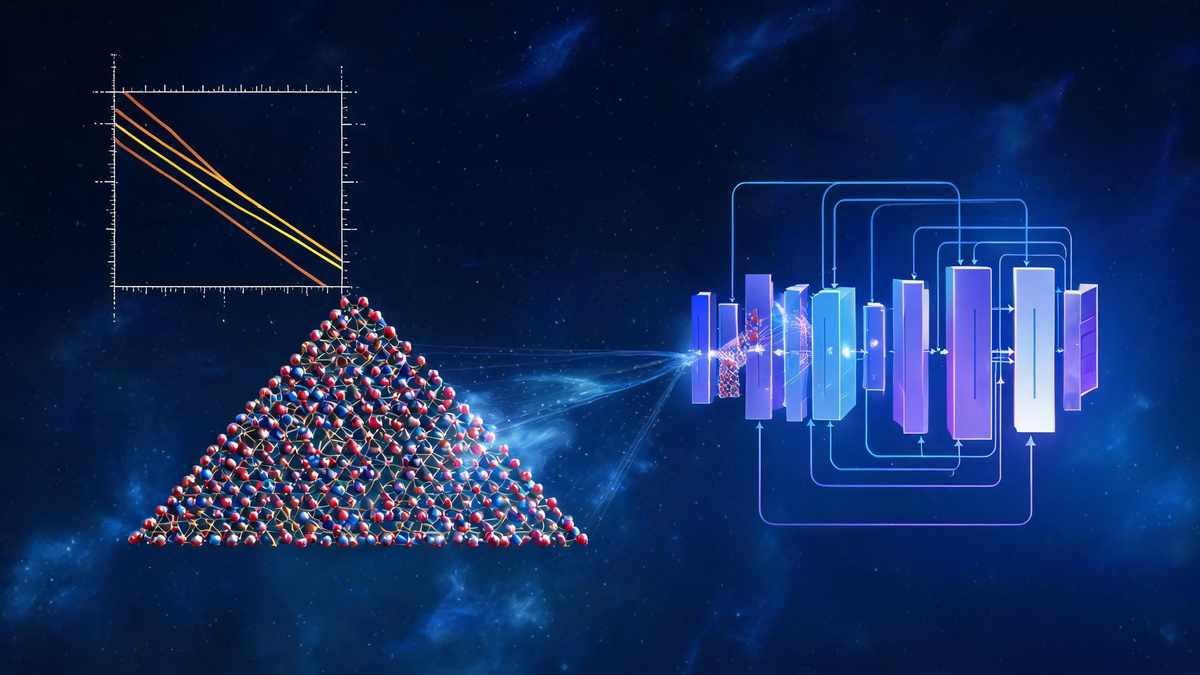
The Power Law Measuring Quantum Frustration
A transformer's computational cost to approximate a quantum state follows a clean power law, whose exponent reveals the strength of geometric frustration in spin systems.

How a Lattice Learned to Weave Non‑Abelian Loops
A lattice of qubit-like spins gives rise to non-Abelian loops whose braiding and fusion mirror a continuum field theory.
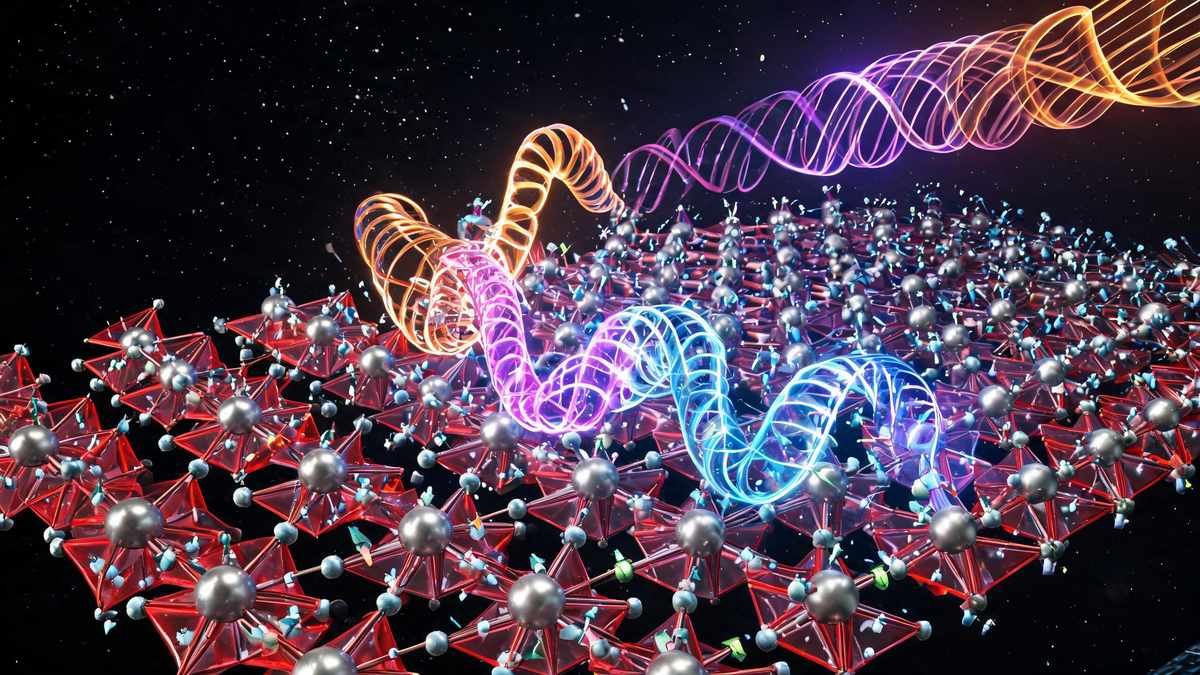
When a Vibration Learns to Spin
Lattice vibrations in metallic strontium titanate develop chirality and couple to electron spins, creating a hybrid mode with a magnetic personality.
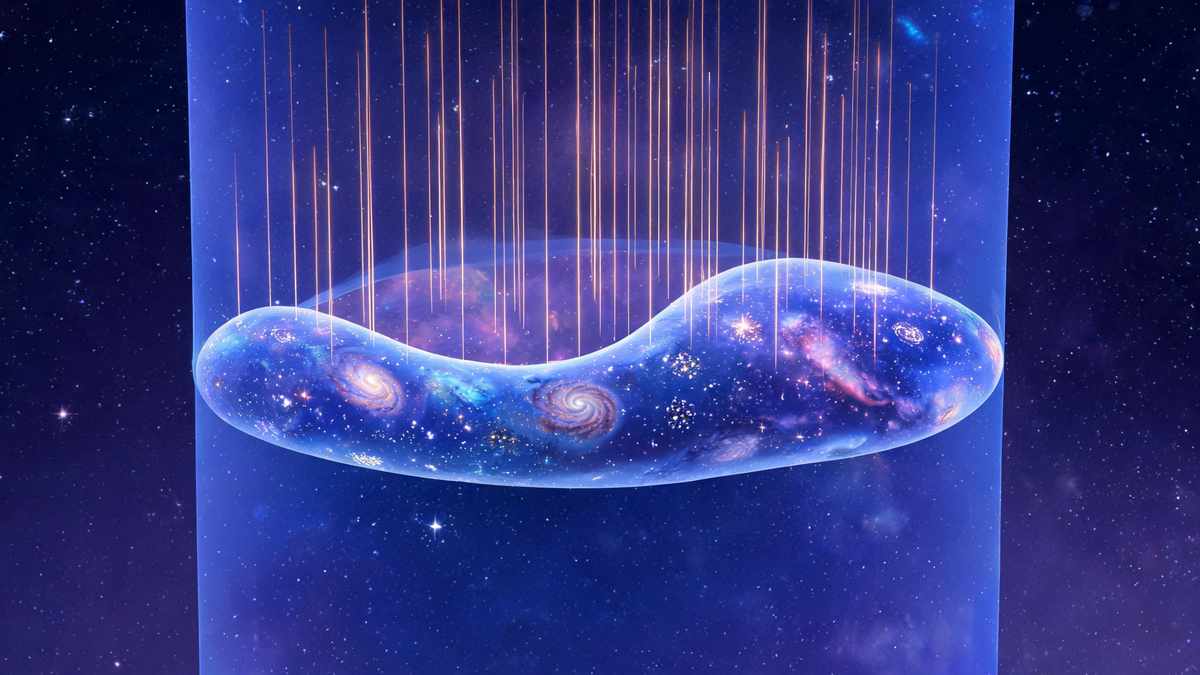
Proving That Spacetime Must Split: Bartnik's Conjecture Resolved
The proof of Bartnik's conjecture shows that a singularity-free, attractive spacetime must split into a static space and a time line, confirming a forty-year-old mathematical insight.
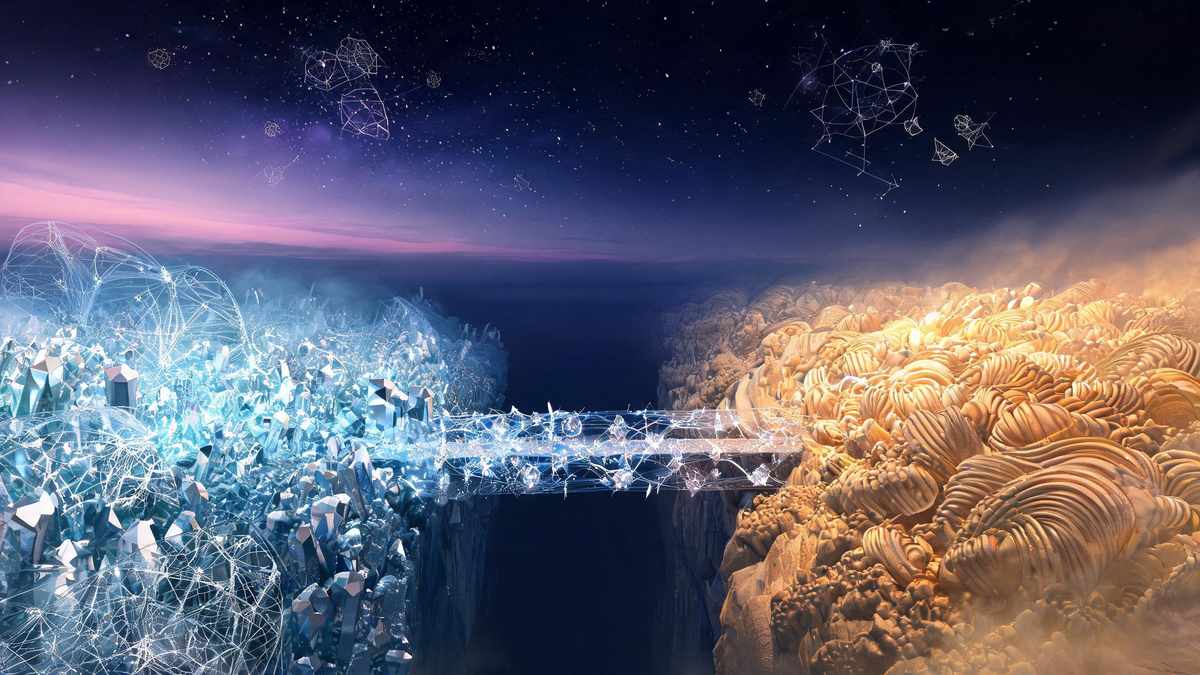
Bridging the Two Sides of Local Langlands
A single functor called pitch bridges the sheaf and D-module sides of the local Langlands correspondence, unifying two arithmetic realms.