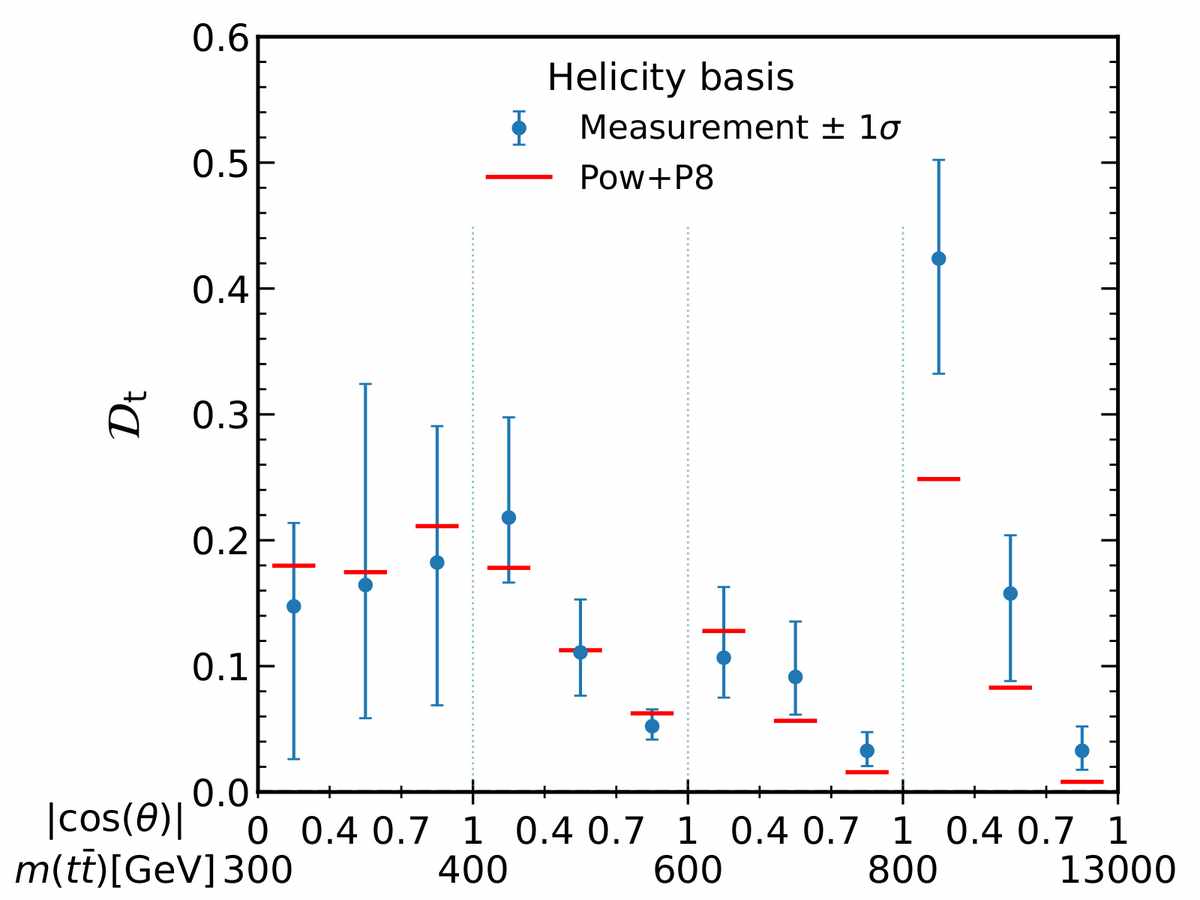
When Top Quarks Climb the Quantum Ladder
Recent results from the Large Hadron Collider have demonstrated quantum entanglement of top quark-antiquark pairs using the spin degrees of freedom. Based on the doubly differential measurement of the spin density matrix of the top quark and antiquark performed by t...
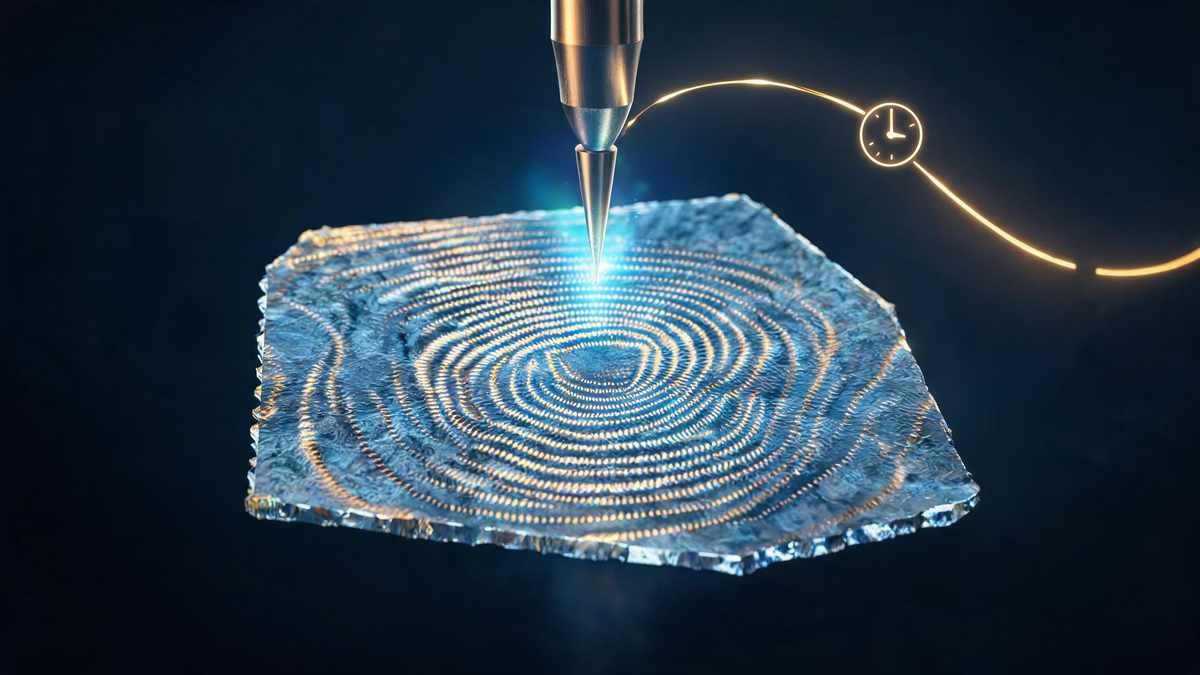
Seeing Wave and Particle Together: A Quantum Microscope’s First Image
A quantum-light microscope images a single polariton’s self-interference fringes in MoS₂, directly visualizing wave-particle duality at the nanoscale for the first time.
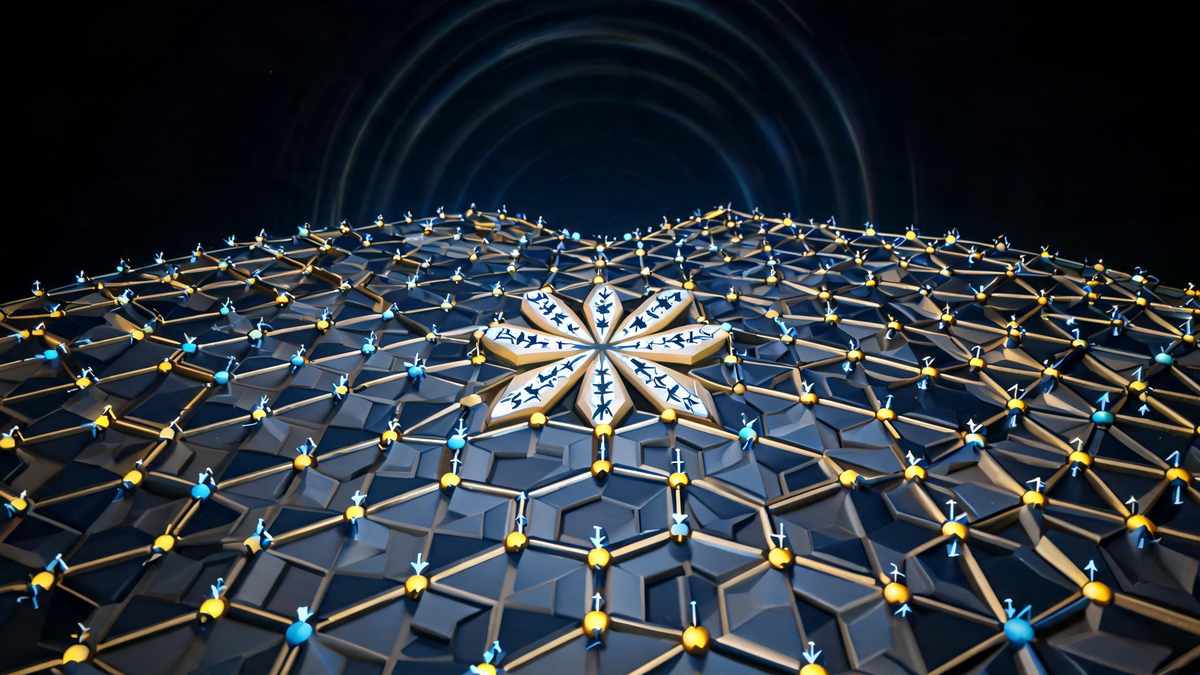
The Magnetism That Learns to Dance on Forbidden Tiles
A quasicrystal's never-repeating tiling hosts altermagnetic spin order with exotic eightfold symmetry, merging magnetic and geometric impossibilities.

A Neural Network Stumbles Into Topological Order
An attention-based neural network spontaneously discovers topological order in a fractional Chern insulator, revealing nearly degenerate ground states and fractional quasiparticles without prior knowledge.
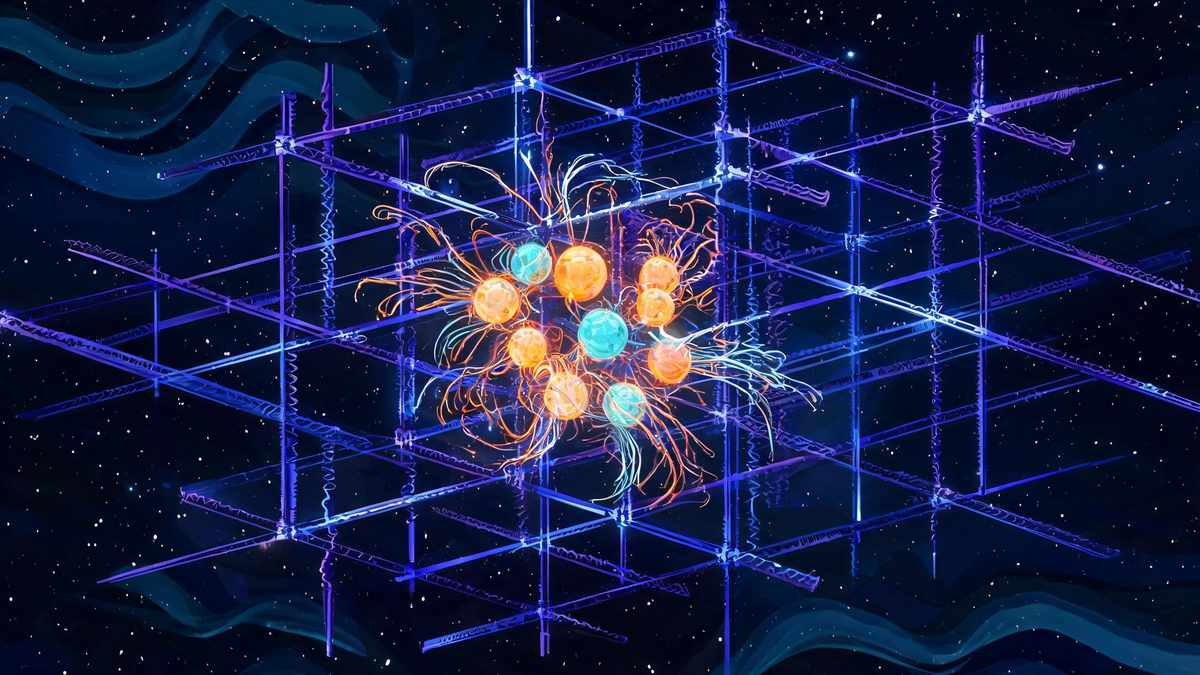
Unshackling Weyl Points: How Periodic Driving Breaks Nature’s Pairing Rule
Periodic driving of an optical Raman lattice creates unpaired Weyl points, enabling a tunable chiral magnetic effect in ultracold atoms.
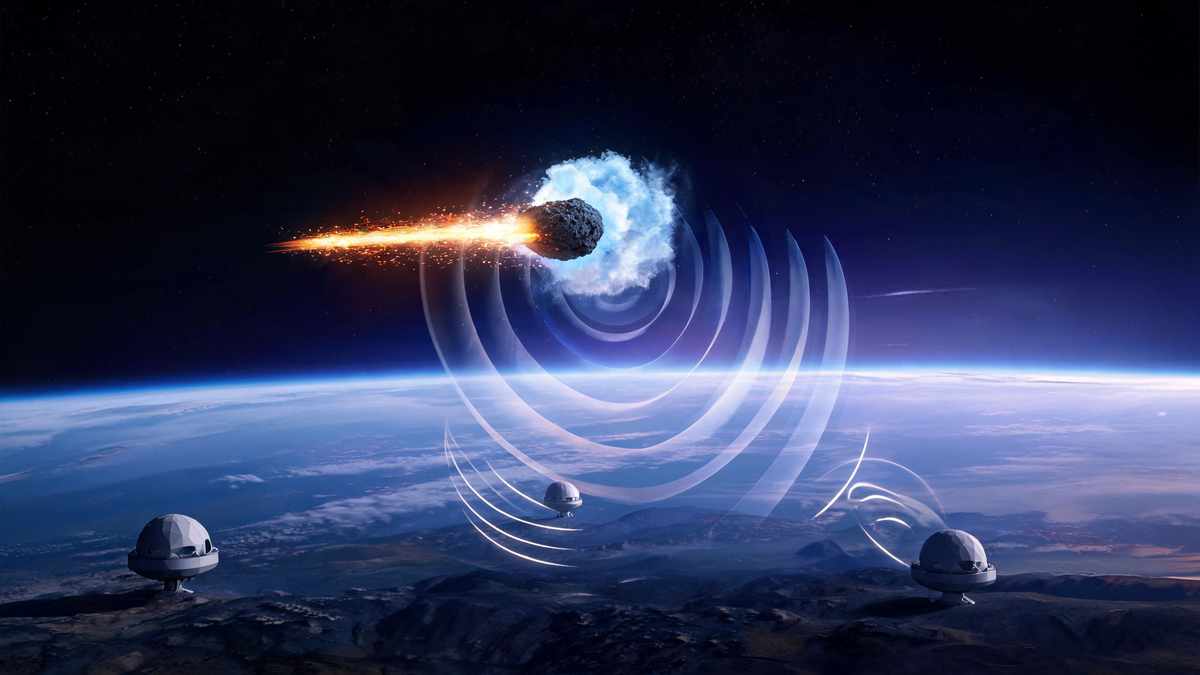
When a Pebble Learns to Shout
A 45-gram porous meteoroid outgassed volatiles to form a vapor cocoon, enabling a sustained shock wave in the rarefied thermosphere at 92 km altitude.

When Imaginary Time Becomes Real: A Partial Construction of Timelike Liouville
A cylinder geometry bridges Euclidean and Lorentzian quantum gravity through analytic continuation of timelike Liouville field theory.
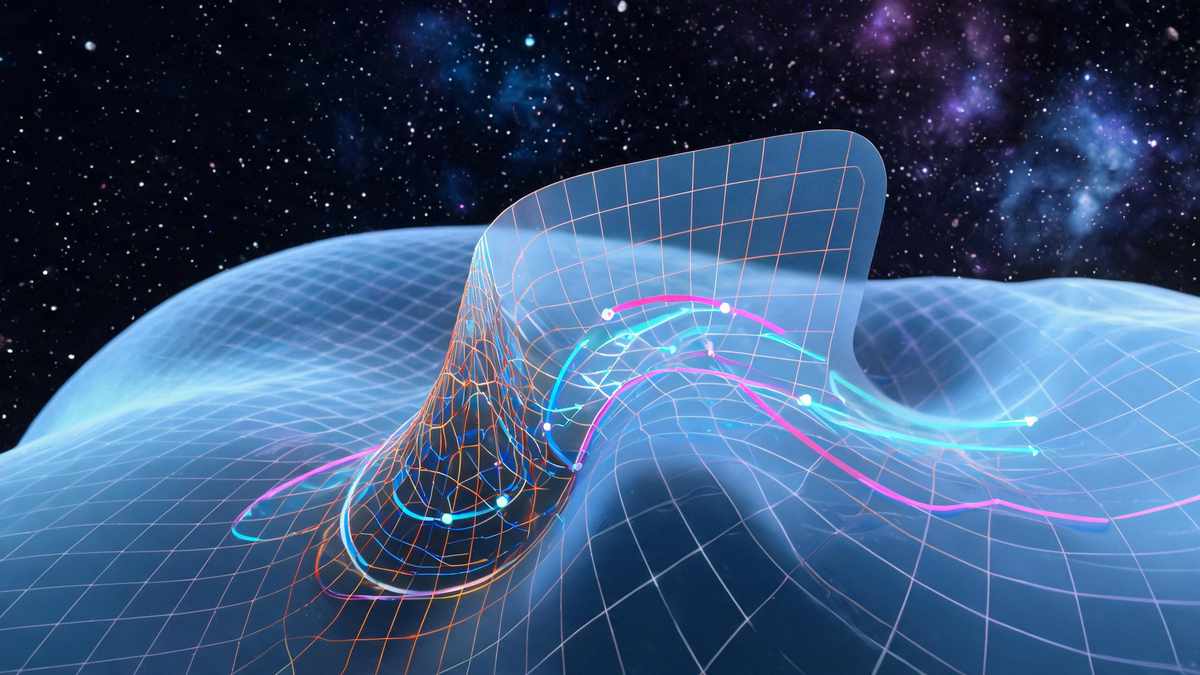
The Geometry That Survives Every Translation
The essential regularity of a connection marks the highest smoothness attainable through coordinate changes, distinguishing genuine singularities from mere artifacts of a bad map.
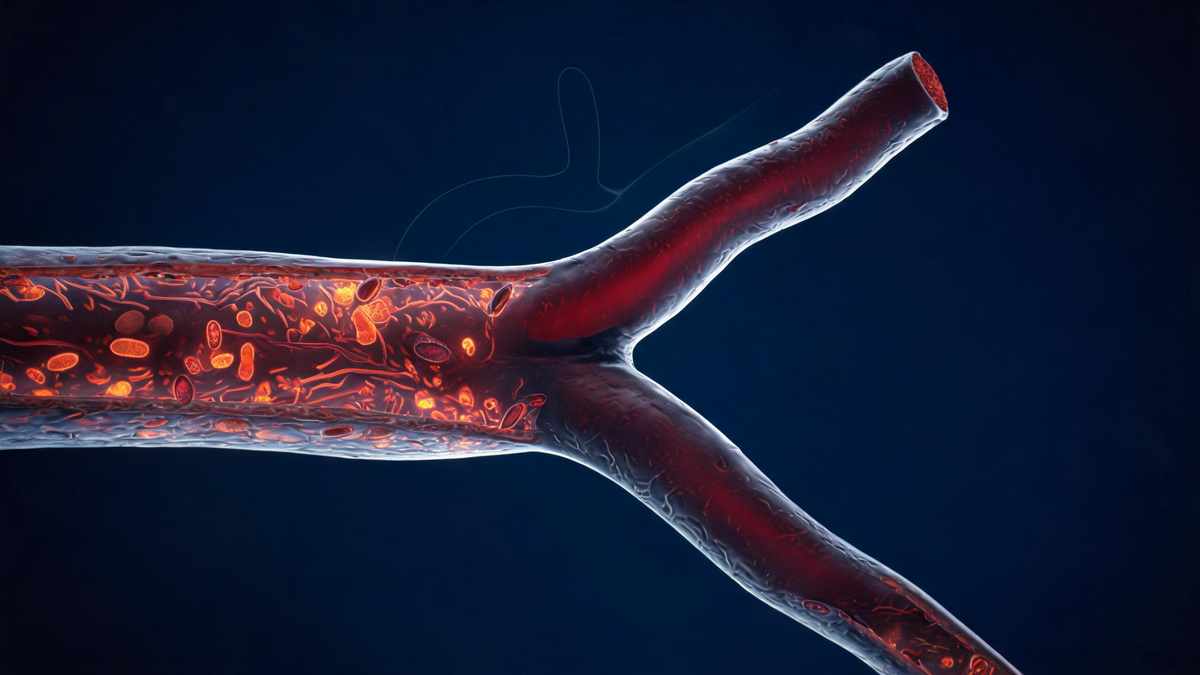
Beyond Murray: How Vessel Walls Break a Universal Branching Rule
Vessel walls add a metabolic cost that scales incommensurately with blood volume, breaking Murray's universal cubic rule and making the branching exponent flow-dependent.
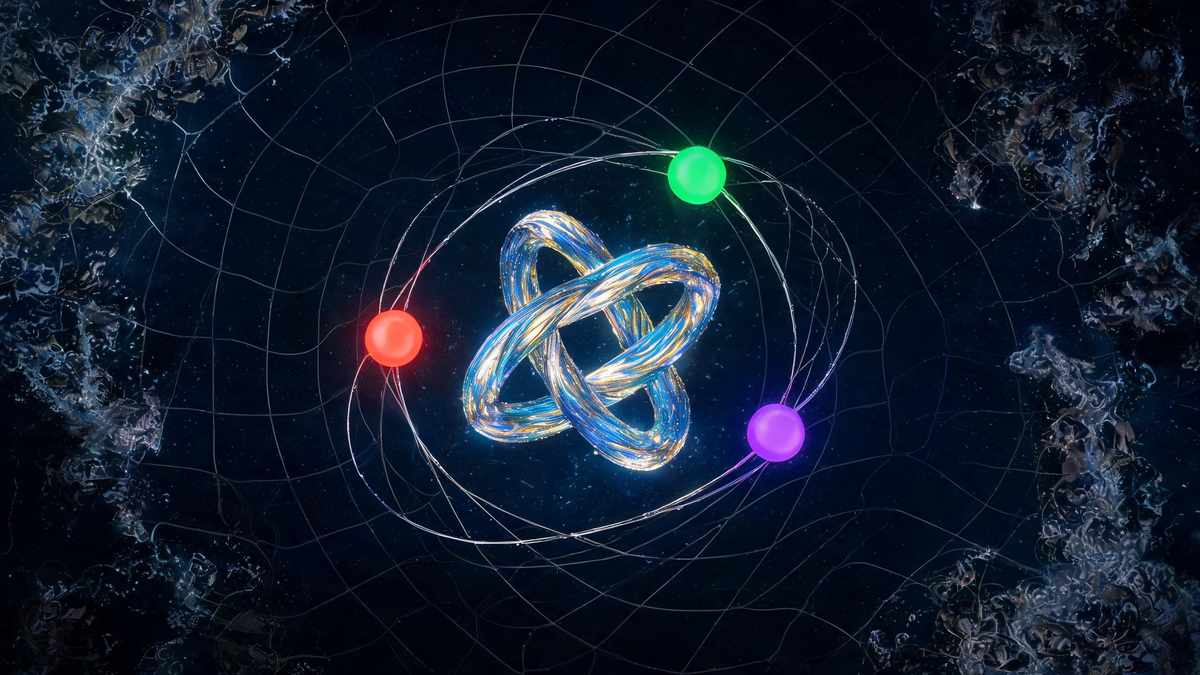
When Topology Answers: Why Matter Comes in Threes
Topological anomaly cancellation forces matter to appear in exactly three families, as a unique symmetry extension from Z₃ to Z₉ restores quantum consistency without sterile neutrinos.
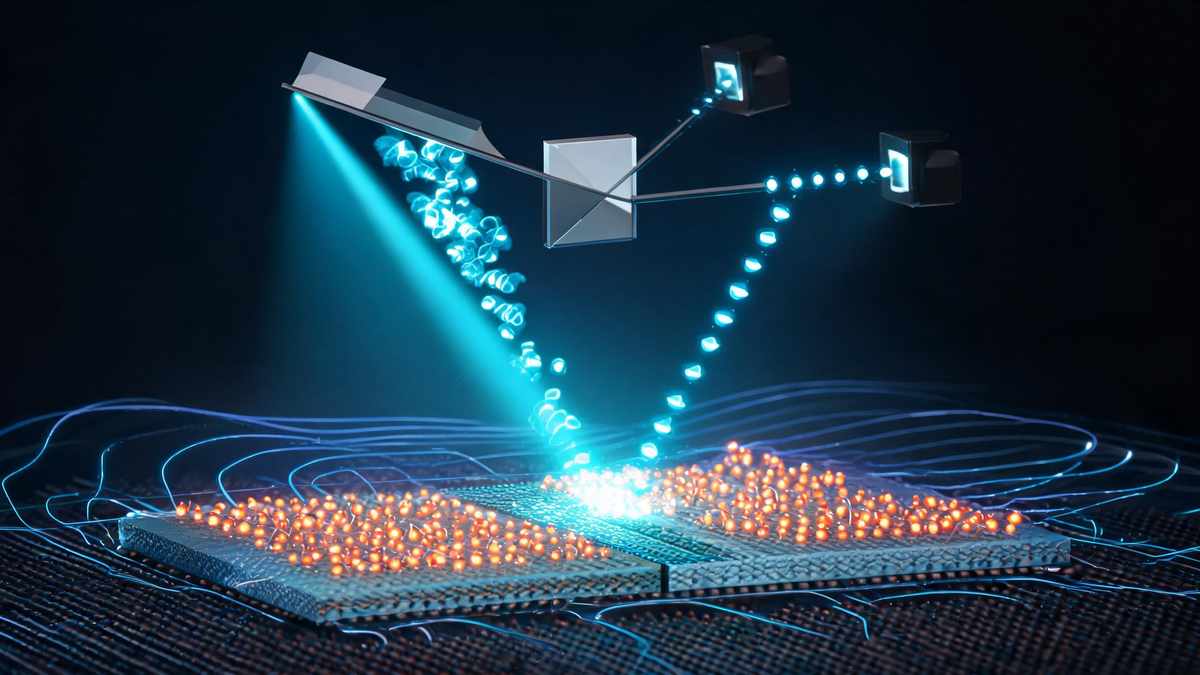
When Photons Learn to Tell a Quantum Story
Photon correlation microscopy reveals many-body exciton interactions by measuring whether emitted photons bunch together or arrive in orderly single-file streams.

Why LLMs Can’t See Cause—and How Interventional Agents Find It
Large language models mathematically cannot infer causation from passive data, but interventional agents using Bayesian optimization can discover causal structure from active queries.
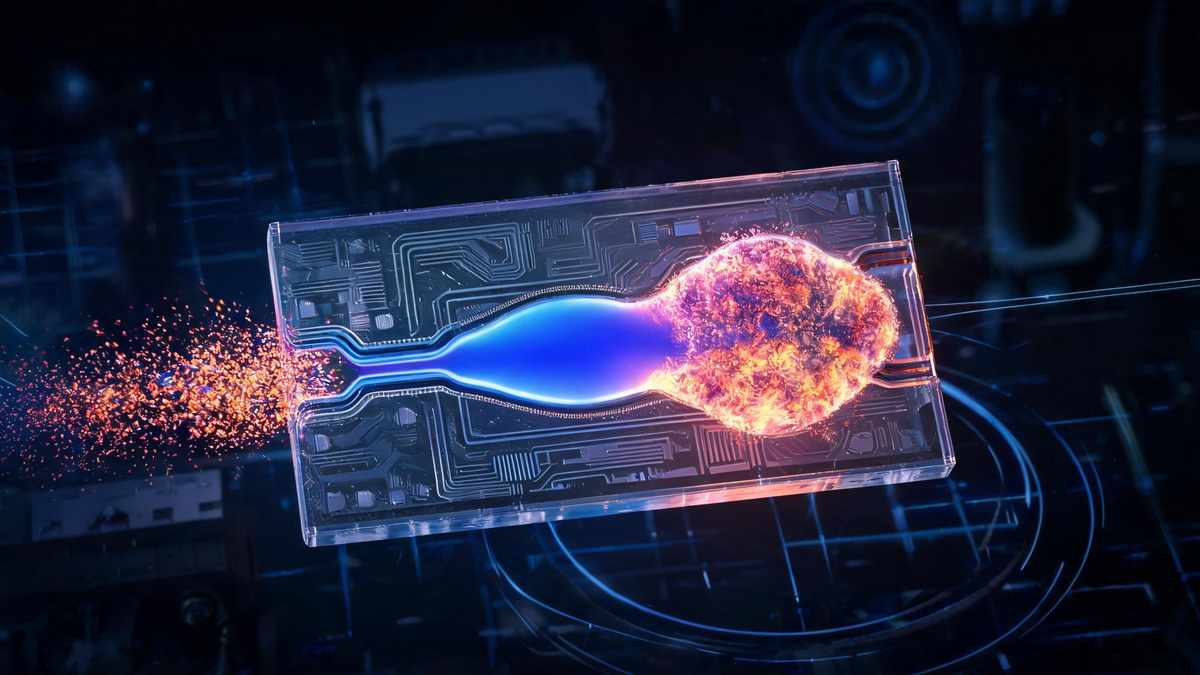
Squeezing Light's Quantum Hush to a Record 18 dB
A lithium niobate waveguide reshapes the quantum vacuum, outputting one perfectly still quadrature while its partner roils with redistributed uncertainty.
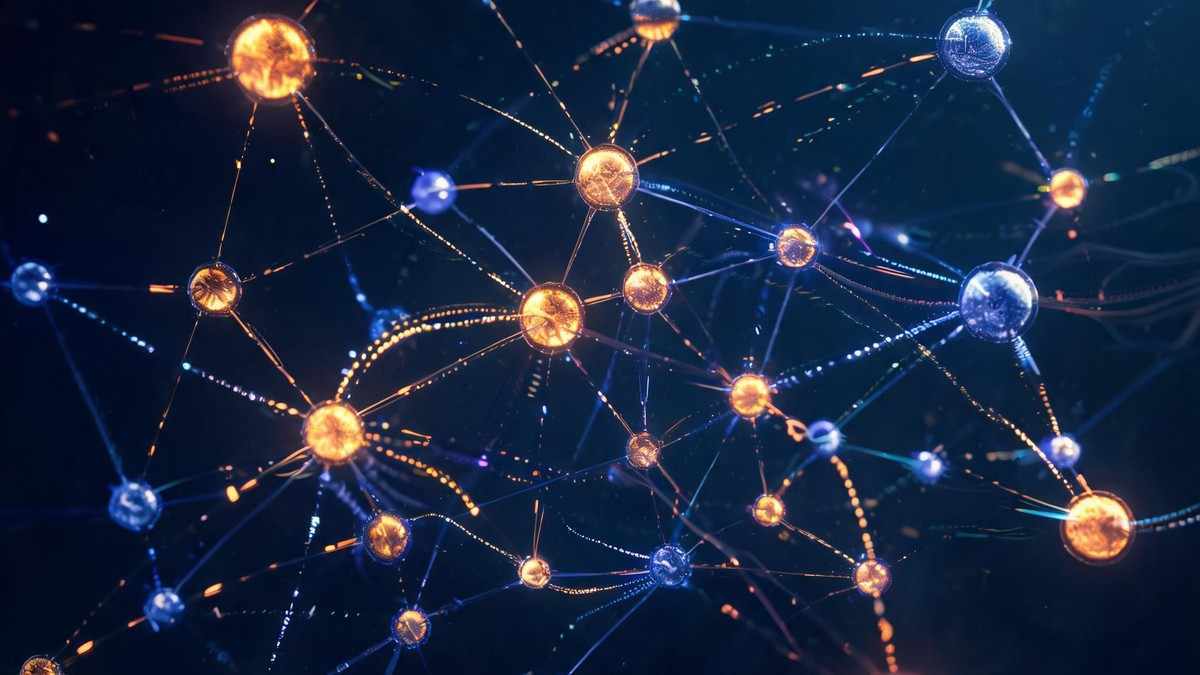
Teaching Machines the Echoes Between Atoms: Topology for Polymer Design
Polymers underpin applications across energy, healthcare, and materials science, yet their vast chemical space makes systematic discovery challenging. Most machine learning approaches represent polymers as molecular graphs of a single repeating unit, thereby missing...
Solving Semidefinite Programs with Thermal Bosons
Thermal bosons minimize their free energy, providing a physical blueprint for solving semidefinite programs through a Bose-Einstein regularisation.

Unlocking Quantum Gibbs States: The Code Swendsen-Wang Breakthrough
Code Swendsen-Wang dynamics lifts whole clusters across the free-energy barriers of quantum code Hamiltonians, enabling rapid sampling near phase transitions.
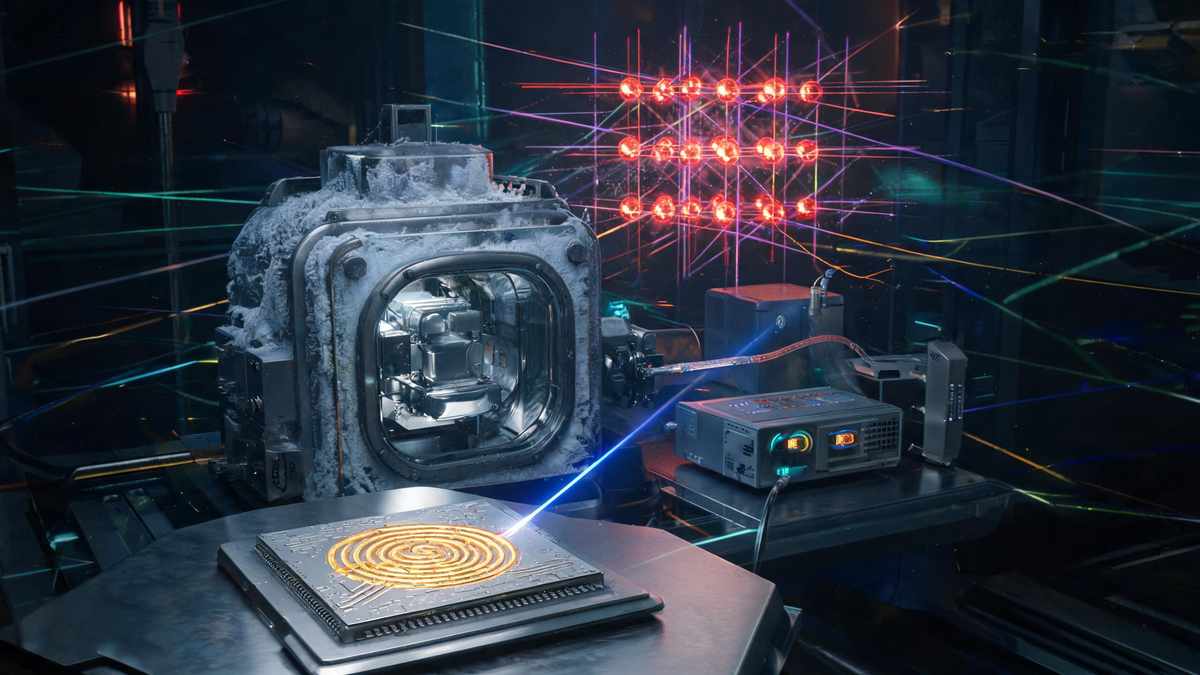
The Laser That Learned to Listen to Its Own Silence
A hybrid laser combines a cryogenic cavity’s deep silence with a chip-scale Brillouin filter, achieving record-low noise for next-generation atomic clocks.
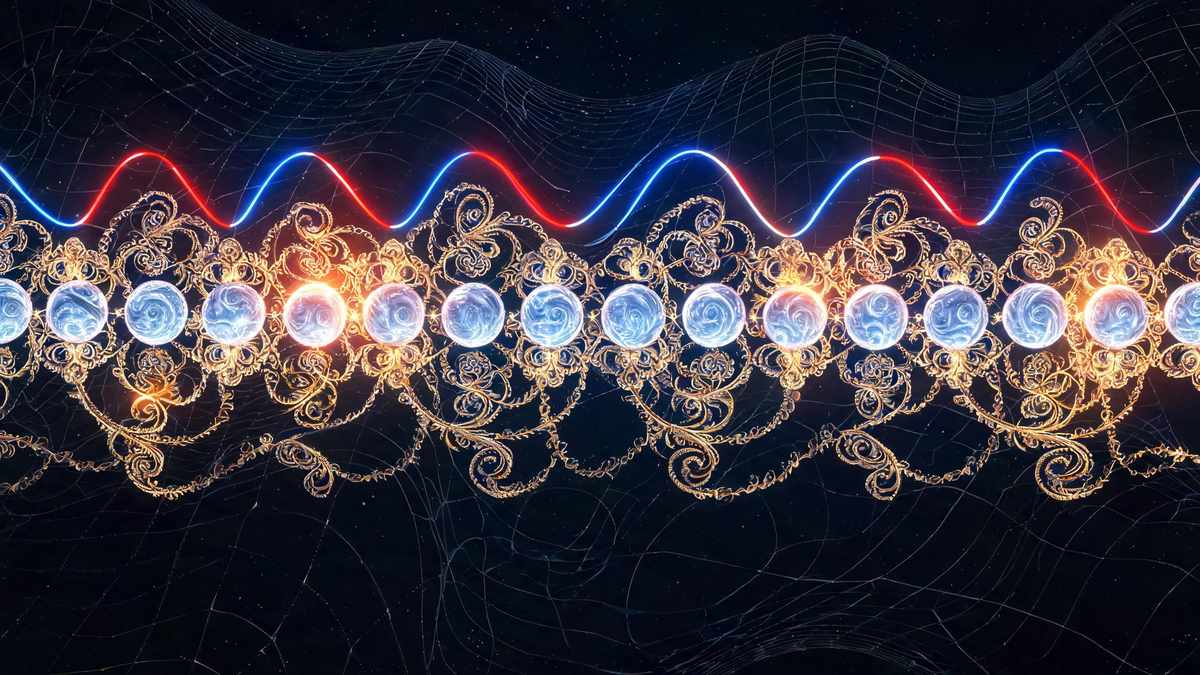
Conformal Floquet Dynamics Come to Life on a Quantum Processor
A quantum processor reveals hidden conformal symmetry in the periodic driving of a critical many-body system, marking a leap from theory to hardware.
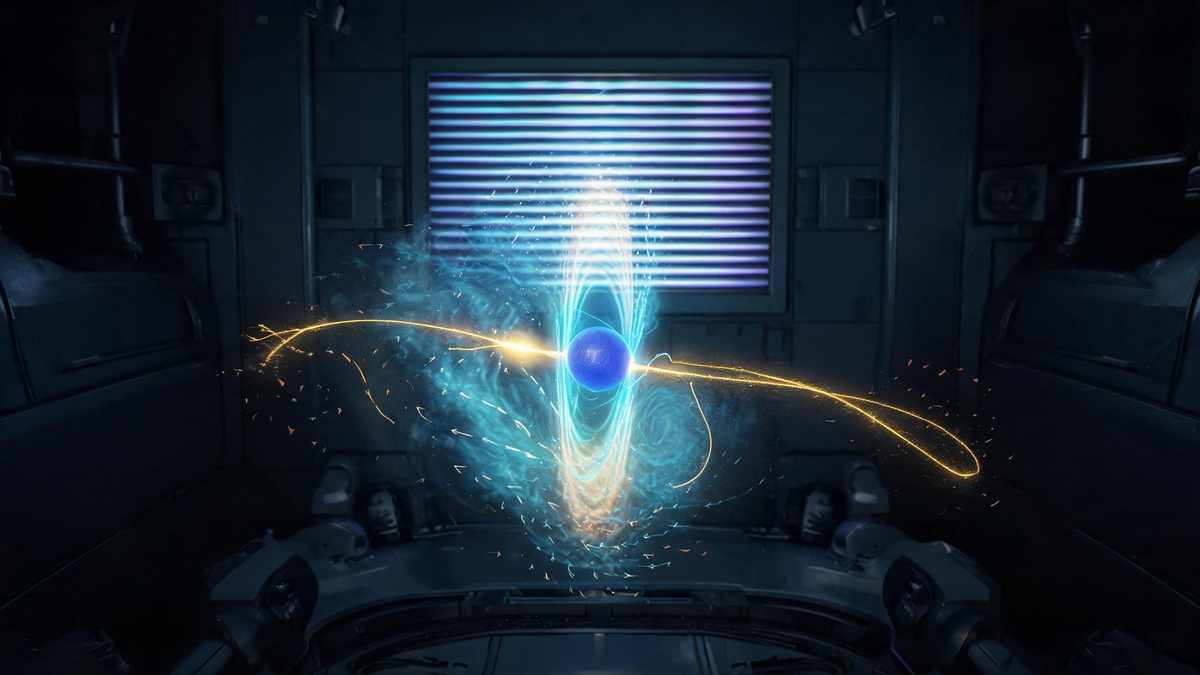
When an Atom Forgets Its Own Recoil
By squeezing the atomic wavefunction in an optical tweezer, researchers erased which-path information, shattering the standard quantum limit for a recoiling-slit interferometer with visibility 0.938.
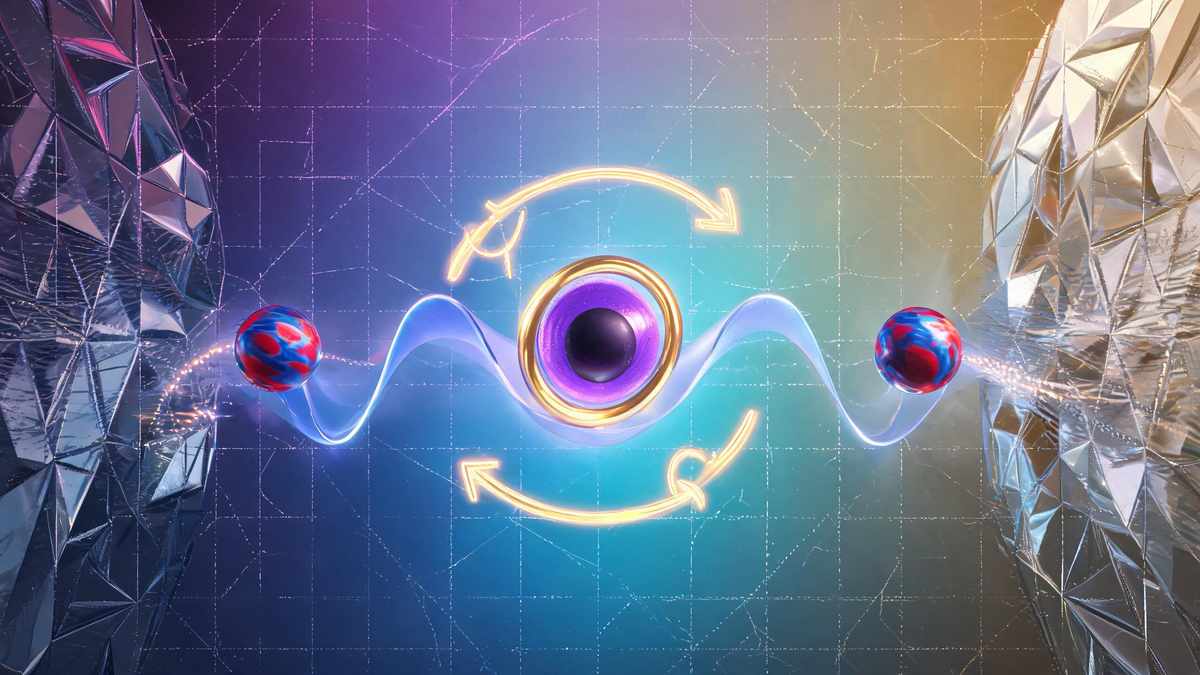
When Fermionic Doublons Dance a Geometric Gate
Fermionic doublons orchestrate a geometric SWAP gate, protected by fundamental symmetries, achieving 99.91% fidelity in an optical lattice.
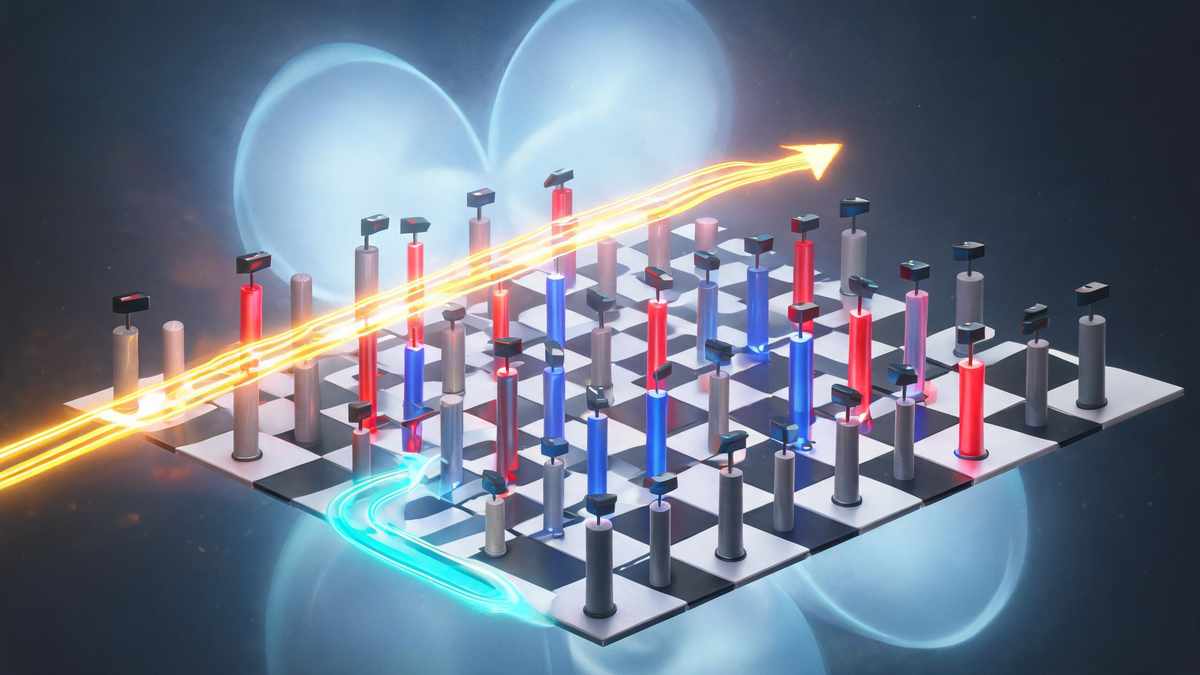
The Magnetic Phase That Light Wasn’t Supposed to Feel
Circularly polarized microwaves separate by handedness as they propagate through a photonic crystal engineered to exhibit altermagnetic spin splitting without net magnetization.

Learning to Evolve: Strategy Genes Outperform Skills
Compact, gene-like memory guides AI agents to outperform verbose skill packages in scientific coding, revealing that representation structure matters more than raw information.
Seeing Without Sight: The Emergent Imagery of Language Models
Large language models trained only on text can outperform humans at spatial mental imagery tasks, suggesting language alone may enable a form of artificial phantasia.
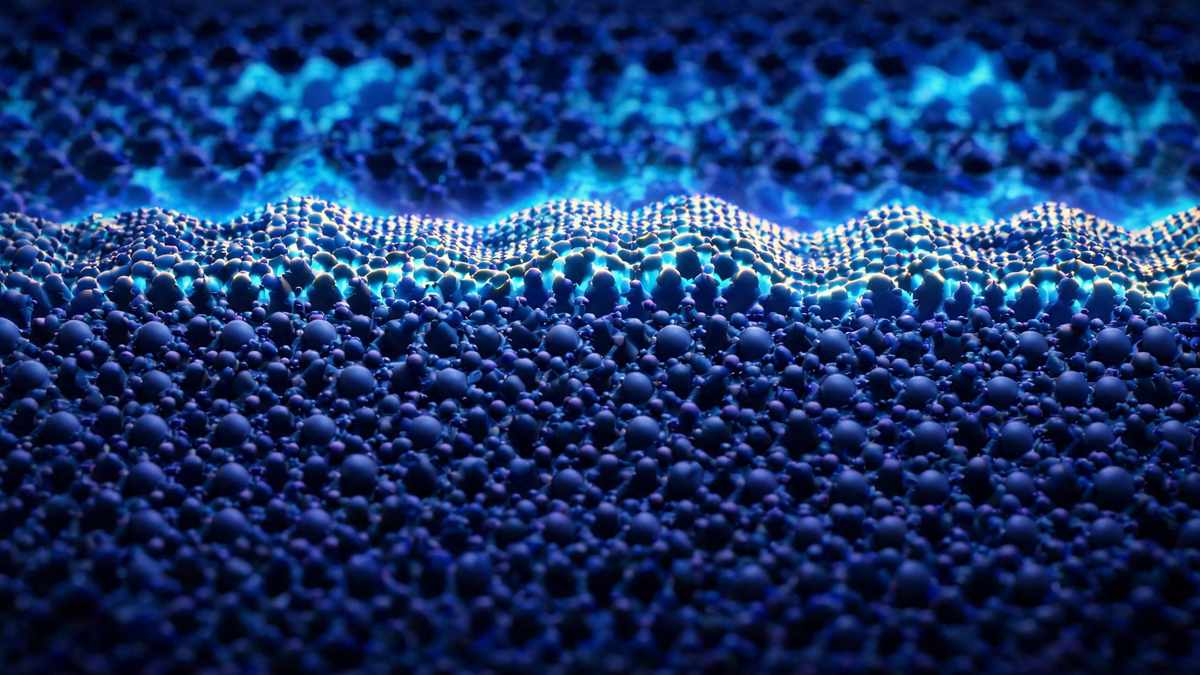
When an Insulator Learns to Modulate
A charge density wave emerges in a band insulator at cryogenic temperatures, challenging textbook models of quantum order in condensed matter.
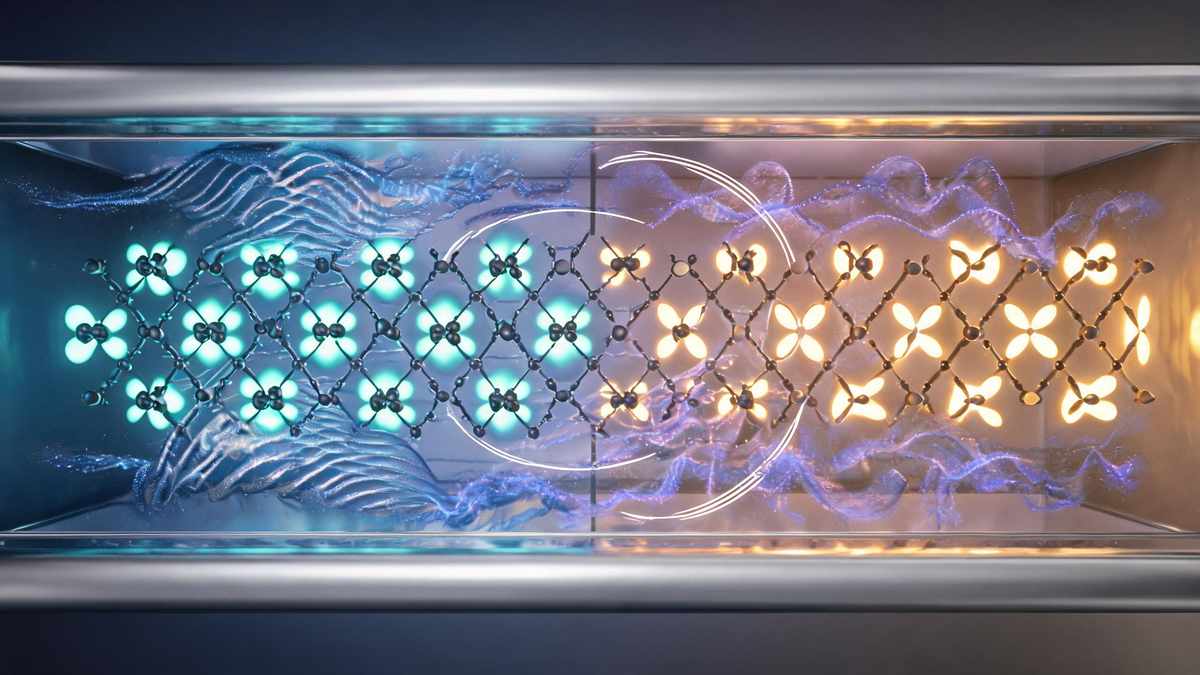
Vacuum Fluctuations Sculpt a Triplet Superconductor
Vacuum fluctuations polarized diagonally inside an optical cavity reshape the Fermi surface of an organic superconductor, suppressing d-wave singlet pairing and enabling a switch to p-wave triplet superconductivity.

Turning Spin into Flow
Spin injection into liquid gallium via platinum contacts creates a microfluidic flow through the Einstein–de Haas torque, enabling a contactless pump with no moving parts.
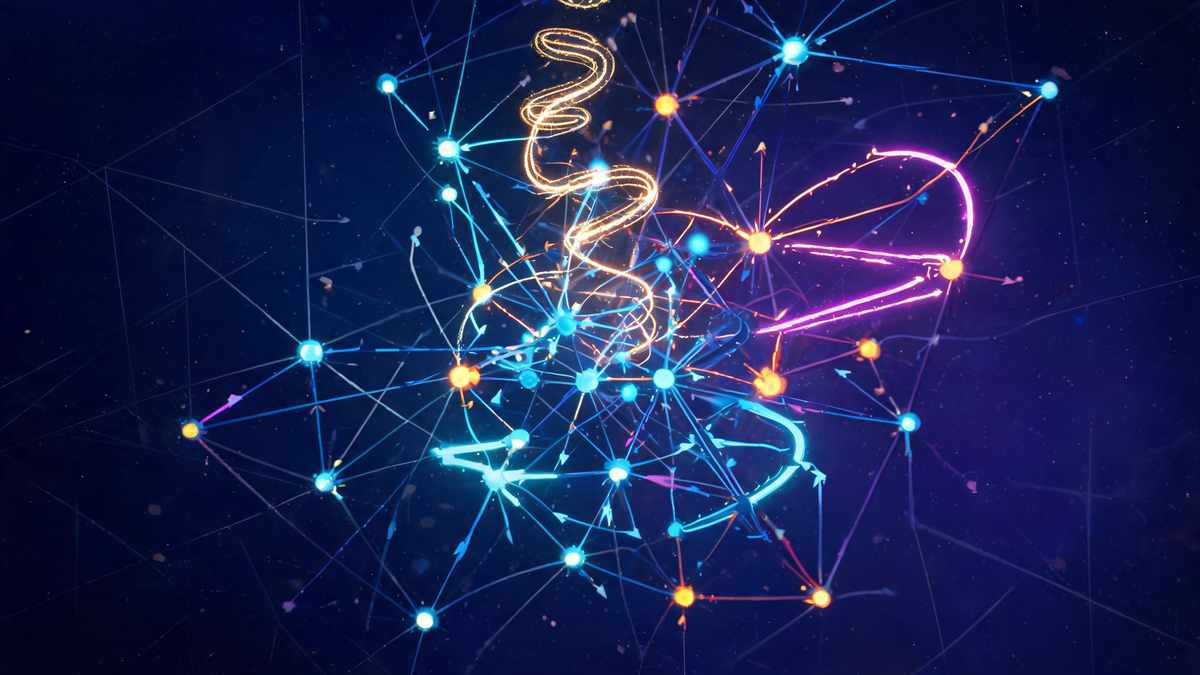
The Network That Learned to Tell Stories
By breaking symmetry in Hopfield networks, scientists achieve superpolynomial sequence memory, allowing neural nets to store vast libraries of long, robust story-like cycles.

The Network That Taught Itself Grammar
Training a neural network to predict words far into the future causes its internal representations to spontaneously organize into grammatical categories like nouns, verbs, and adjectives.
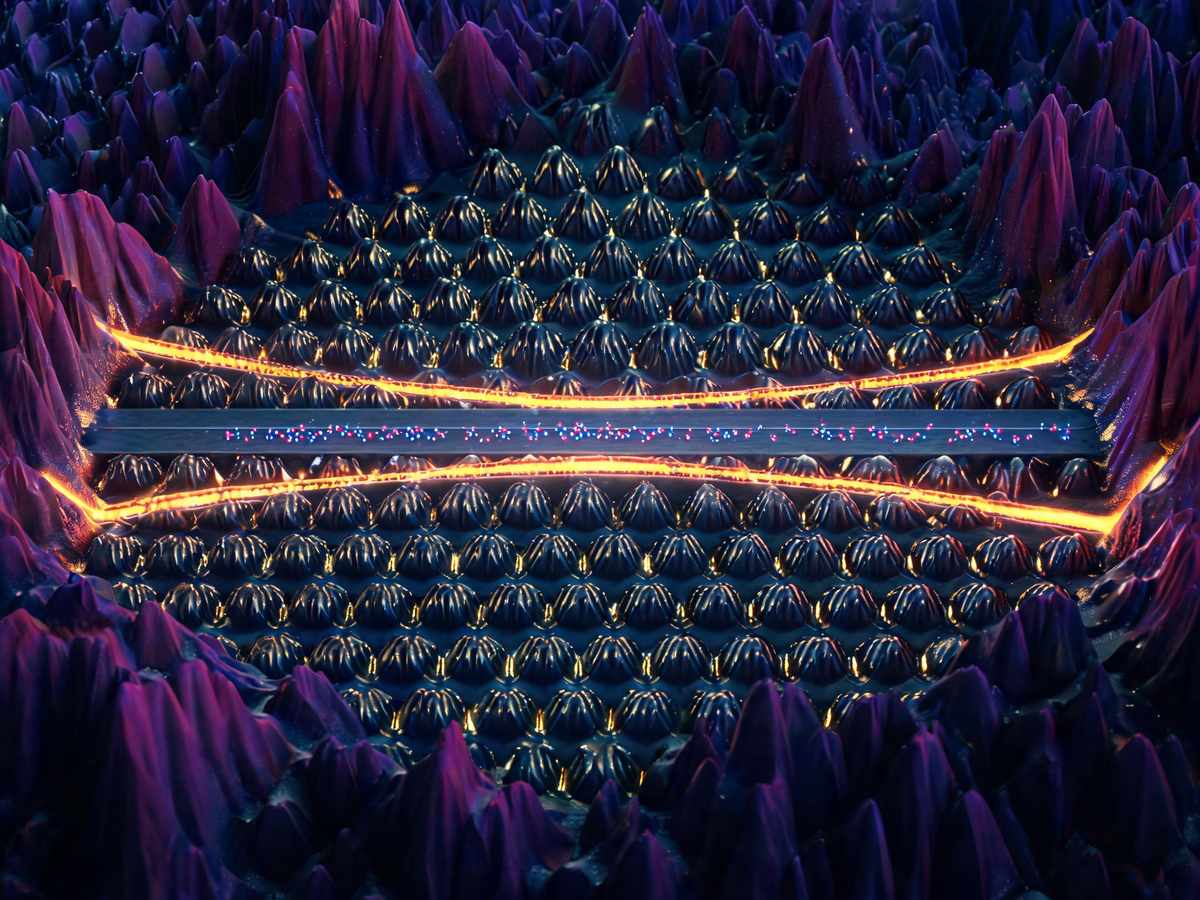
How Excitons Learn to Dance in Unison: Valley Splitting Enables True Bose Condensation
A periodic electrostatic potential lifts valley degeneracy and linearizes exciton dispersion, enabling true Bose-Einstein condensation in two dimensions.

When Impossibility Becomes a Blueprint for Trustworthy AI
The deterministic horizon of transformer architectures defines an information-theoretic ceiling for reasoning depth, turning an impossibility into a constructive design constraint for trustworthy AI.